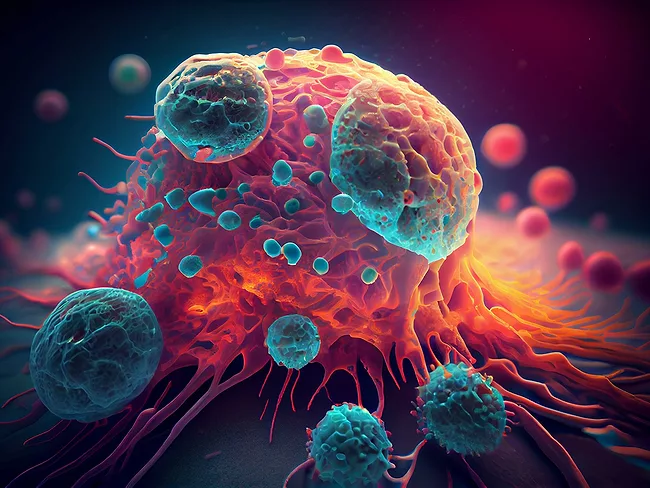
Son of sevenless 1 (SOS1) is a guanine exchange factor (GEF) primarily responsible for linking cell-surface receptors to RAS protein activation converting the inactive form of GDP-loaded RAS proteins into the active GTP-loaded RAS. This role together with its function in inhibiting MAPK pathway reactivation suggest that SOS1 may be a therapeutic target to treat KRAS-driven cancers.
A group of scientists from the Center for Stem Cell and Translational Immunotherapy, Brigham and Women’s Hospital at Harvard Medical School have developed an antitumor immunotherapy that uses oncolytic viruses and stem cells for the treatment of metastatic brain melanoma.
Another brick in the ambitious Human Cell Atlas initiative has been put into place with the publication of the largest and most comprehensive cell map of the human lung. The open and freely available atlas catalogs the diversity of cells in the lung, including rare and previously undescribed cell types.
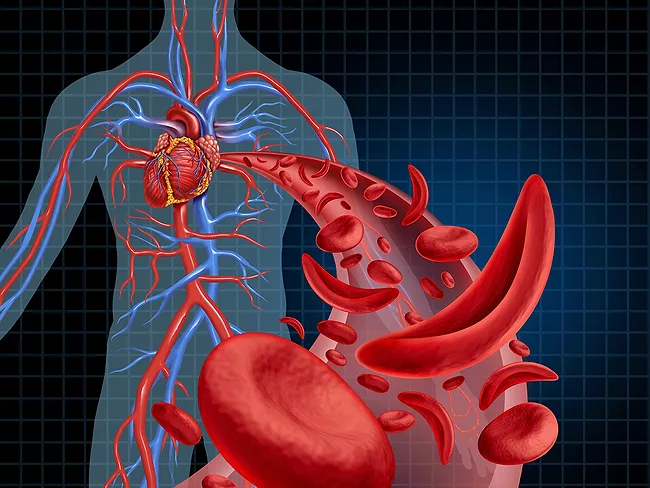
Barring truly major surprises, exagamglogene autotemcel (Exa-cel, Vertex Pharmaceuticals Inc.) is on track to become the first approved CRISPR-based gene editing therapy. It is partly in expectation of Exa-cel’s approval that the European Hematology Association (EHA) and the European Society for Bone Marrow Transplantation hosted a session on “transplantation versus gene therapy in sickle cell disease.”
Currently, there are no treatments to reverse or prevent genetic hearing loss, which affects 1 in 500 newborns. Several gene replacement and overexpression preclinical studies targeting genetic hearing loss have shown success, as the inner ear can be accessed safely by local injection. However, all these gene therapy studies have been performed in neonatal animals, except one in the Otof gene; therefore, the suitability of the approach in the fully mature adult inner ear remains to be elucidated.
 RSS
RSS