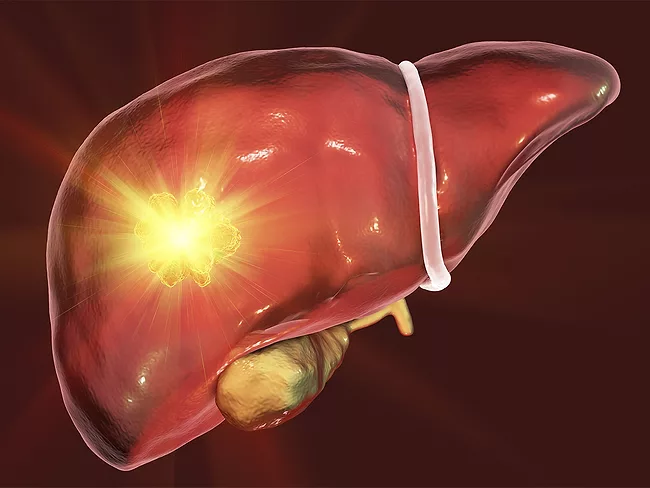
Previous research has demonstrated that overexpression or gain-of-function mutations of enhancer of zeste homolog 2 (EZH2) are significantly associated with tumor cell proliferation of a number of cancers.
Two papers in the Feb. 8, 2023, issue of Cell Host & Microbe have reported new insights into the relationship between myalgic encephalomyelitis/chronic fatigue syndrome (ME/CFS) and alterations in the gut microbiome, and how those relationships change over time. A reliable way to diagnose ME/CFS would be a huge step forward for the study of ME/CFS. Currently, the condition is diagnosed purely by symptoms, which are assessed via questionnaire.
Research led by Indiana University School of Medicine and the University of Notre Dame shows a new treatment for peanut allergy is effective in a mouse model. The therapy, a covalent heterobivalent inhibitor (cHBI), differs from most allergy treatments in that it is more of a preventative therapy rather than a drug to treat immediate acute symptoms.
Shanghai Institute of Materia Medica of the Chinese Academy of Sciences has identified G-protein coupled receptor 84 (GPR84) antagonists reported to be useful for the treatment of multiple sclerosis, inflammatory bowel disease, fibrosis, neurodegenerative disease and arthritis.
Acea Therapeutics Inc. and Hangzhou Acea Biosciences Co. Ltd. have described heterocyclic compounds acting as tyrosine kinase inhibitors reported to be useful for the treatment of cancer.
F. Hoffmann-La Roche Ltd. and Hoffmann-La Roche Inc. have divulged imidazole derivatives reported to be useful for the treatment of bacterial infections.
Eternygen UK Ltd. has disclosed 5,6,7,8-tetrahydro-2,6- and 2,7-naphthyridine derivatives acting as sodium-coupled citrate transporter 5 (SLC13A5) inhibitors reported to be useful for the treatment of eating disorders, liver cancer, neurodegeneration, and liver and metabolic diseases.
Korea Research Institute of Chemical Technology (KRICT) has synthesized novel pyrimidine-2,4-diamine derivatives acting as EGFR (HER1; erbB1) and/or HER2 (erbB2) (mutant) inhibitors reported to be useful for the treatment of cancer.
 RSS
RSS