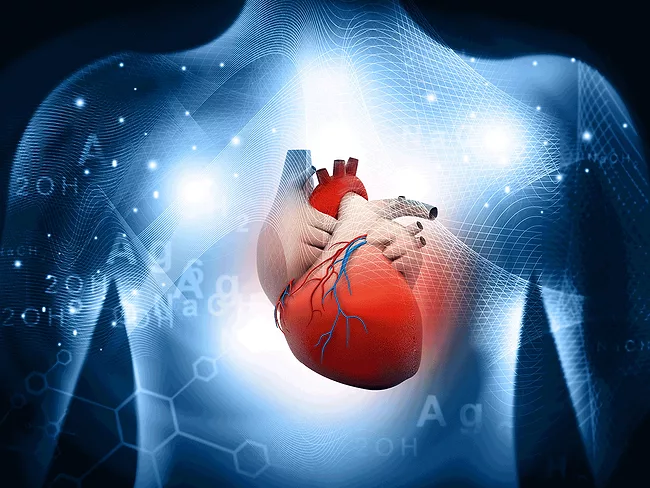
Sequana Medical NV has completed GLP animal studies, demonstrating the safety of its second-generation DSR (direct sodium removal) product (DSR 2.0) for congestive heart failure, following chronic exposure.
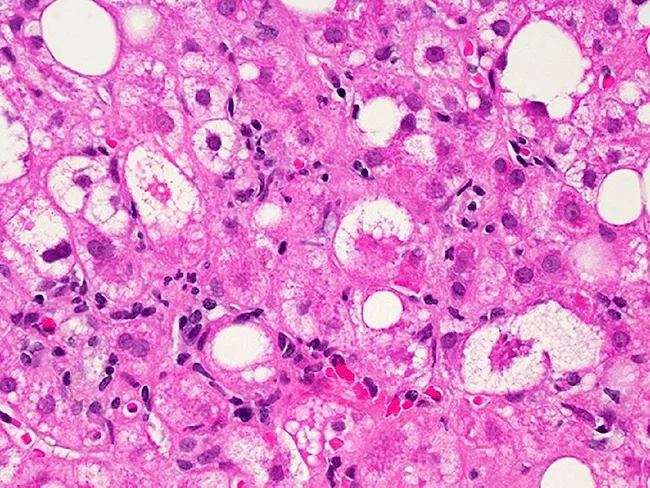
Insulin resistance in type 2 diabetes (T2DM) is associated with hepatosteatosis and the development of nonalcoholic fatty liver disease (NAFLD), with the pathogenesis of NAFLD being complex and involving the crosstalk between the liver and white adipose tissue (WAT).
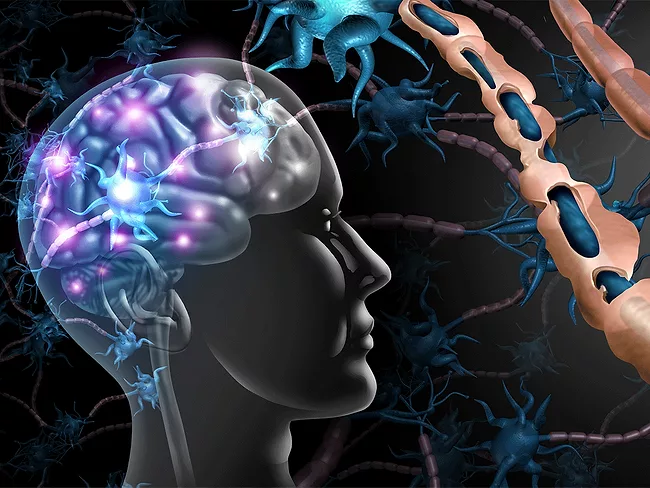
FSD Pharma Inc. has received a no objection letter (NOL) from Health Canada granting regulatory approval to commence a phase I trial of LUCID-21-302 (Lucid-MS), a novel drug candidate for the treatment of multiple sclerosis (MS).
Bone-resorbing osteoclasts are key players in bone remodeling and their dysfunction has been implicated in several bone disorders such as fibrous dysplasia. Osteoclasts derive from monocytes stimulated by several cytokines, such as M-CSF and RANKL.
Researchers from Jouf University and affiliated organizations have reported the discovery of novel cyclooxygenase-2 (COX-2) inhibitors as potential nonacidic anti-inflammatory agents.
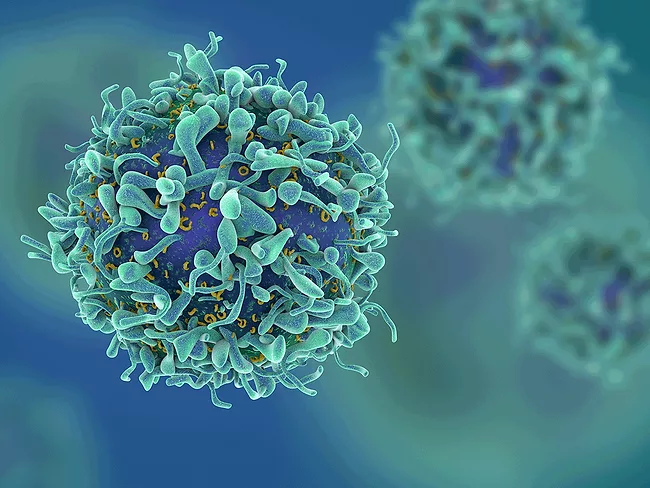
An allogeneic hematopoietic stem cell transplantation that triggers graft-vs.-host-disease (GVHD) involves T cells that do not come from the patient's bloodstream, but rather from the local progenitor cells of the donor tissue. A study from the University of Pittsburgh confirmed this finding after cloning and following these cells, revealing their origin and peculiarities.
“I have had this idea for a pretty long time. In the tissues there are antigen-presenting cells and there are T cells. And I felt like there is no reason why they are needed to be input from blood that it could be a largely local response. Then, the question was whether there would be a subset of cells in the tissues that could continue to sustain it,” lead author Warren Shlomchik told BioWorld.
Splicing junctions between transposable elements and regular exons are transcribed, and can serve as targets for anticancer therapies, researchers from the Institut Curie and Mnemo Therapeutics SAS reported in a pair of papers published in Science Immunology on Feb. 3, 2023.
Treatment with the fusion protein QL-1005 reduced caloric intake and body weight in mice and primates. In obese animals, it also improved insulin, fasting glucose and triglyceride levels. The design belongs to the Chinese biopharmaceutical company Beijing QL Biopharmaceutical, which will begin clinical trials in a year.
Immunomolecular Therapeutics Inc. has described compounds targeting HLA-DQ2 reported to be useful for the treatment of type 1 diabetes, myasthenia gravis, Stiff-man syndrome, Addison and celiac diseases.
Prelude Therapeutics Inc. has divulged proteolysis-targeting chimeric (PROTAC) compounds comprising a Von Hippel-Lindau E3 ubiquitin ligase (VHL)-binding moiety covalently linked to a SMARCA2- or SMARCA4-targeting moiety through a linker reported to be useful for the treatment of cancer.
 RSS
RSS