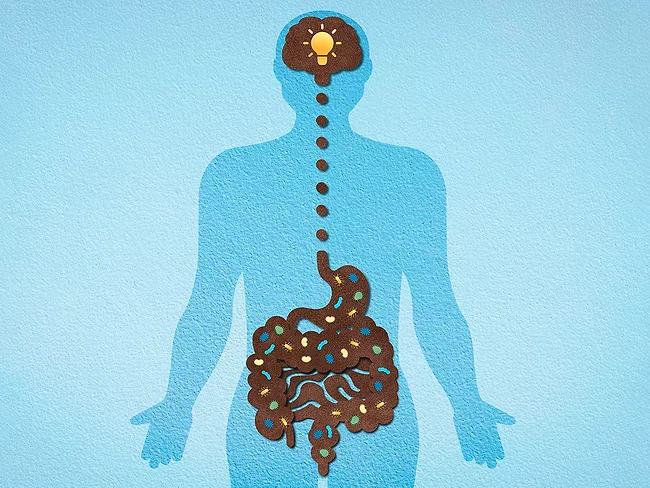
A study in a mouse model of tau protein build-up in the brain, similar to that seen in later stage Alzheimer’s disease (AD), shows that changes to the microbiome in these animals can impact the degree and progression of neurodegeneration observed. As reported in the Jan. 12, 2023, study published in Science, the researchers found that mice that were germ free and those given antibiotics to change their gut microbiome early in life had significant reductions in brain atrophy compared with those with a standard microbiome.
Lead Discovery Center GmbH has described 3-substituted 1H-pyrrolo[2,3-b]-pyridines acting as G protein-coupled receptor kinase 5 (GRK5) inhibitors reported to be useful for the treatment of cancer, inflammatory, immunological, metabolic and cardiovascular disorders.
Sanofi SA has divulged substituted pyrrolo[2,3-d]pyrimidines acting as leucine-rich repeat kinase 2 (LRRK2; dardarin and/or G2019S mutant) inhibitors reported to be useful for the treatment of Parkinson's disease, amyotrophic lateral sclerosis, multiple sclerosis, Lewy body dementia, progressive supranuclear palsy, frontotemporal dementia and Niemann-Pick disease.
Blueprint Medicines Corp. has identified substituted pyrimidinyl-pyrazoles acting as cyclin-dependent kinase (CDK) inhibitors, particularly CDK2, reported to be useful for the treatment of cancer.
Scripps Research has synthesized 3C-Like proteinase (3CLpro; Mpro; nsp5) (SARS-CoV-2; COVID-19 virus) inhibitors reported to be useful for the treatment of severe acute respiratory syndrome coronavirus 2 (SARS-CoV-2) infection (COVID-19).
Wigen Biomedicine Technology (Shanghai) Co. Ltd. has disclosed isocitrate dehydrogenase (NADP+) (IDPc, IDH1) mutant inhibitors reported to be useful for the treatment of cancer.
Iama Therapeutics srl and Psychogenics Inc. have entered into a new services agreement to identify the efficacy of novel drug candidates in preclinical animal models of Dravet syndrome.
Ono Pharmaceutical Co. Ltd. has entered an option and research collaboration agreement with Monash University to discover and develop antibodies targeting G protein-coupled receptors (GPCRs) with the aim of creating novel therapeutics for the treatment of autoimmune and inflammatory diseases.
SUMOylation is a post-translational modification consisting of the covalent addition of SUMO peptides on a target protein, which can affect various processes such as protein stability, interactions or subcellular localizations. This modification finetunes protein function involved in the cellular response to stress, differentiation and tissue development.
Recent findings have suggested that MMR-deficient CRC cells are highly sensitive to the loss of bifunctional 3ʹ-5ʹ exonuclease/ATP-dependent helicase WRN.
 RSS
RSS