Los Angeles is one of the most diverse cities in the U.S. This diversity is evident at University of California, Los Angeles (UCLA), a university that attracts students (37,000) and workers (22,090) from 118 countries. It is enough to go for a walk on campus or its surroundings to believe that one is at a United Nations convention. Researchers at the UCLA ATLAS Community Health Initiative has been capturing that diversity in a genomic biobank whose data will help to understand, anonymously, the genetic basis of certain diseases. With them, scientists will be able to design the best treatments for these patients.
Gruenenthal GmbH has described substituted pyrazole amides acting as sodium channel protein type 10 subunit α (SCN10A; Nav1.8) blockers reported to be useful for the treatment of pain.
Suzhou Spring-Sea Bio-Pharmaceuticals Co. Ltd. has divulged prodrugs of N4-hydroxycytidine (NHC) reported to be useful for the treatment of viral infections.
Tuojie Biotech (Shanghai) Co. Ltd. has identified mucosa-associated lymphoid tissue lymphoma translocation protein 1 (MALT1) inhibitors reported to be useful for the treatment of cancer, inflammation and autoimmune diseases.
National Institute of Pharmaceutical R&D Co. Ltd. has synthesized high affinity nerve growth factor receptor (NTRK1; TRKA) and its mutant inhibitors reported to be useful for the treatment of cancer.
Ajinomoto Co. Inc.'s Ajinomoto Bio-Pharma Services has announced a license agreement with Exelixis Inc. to incorporate AJICAP, Ajinomoto's proprietary site-specific bioconjugation and linker technologies, in the development of certain of Exelixis' antibody-drug conjugate (ADC) programs for cancer.
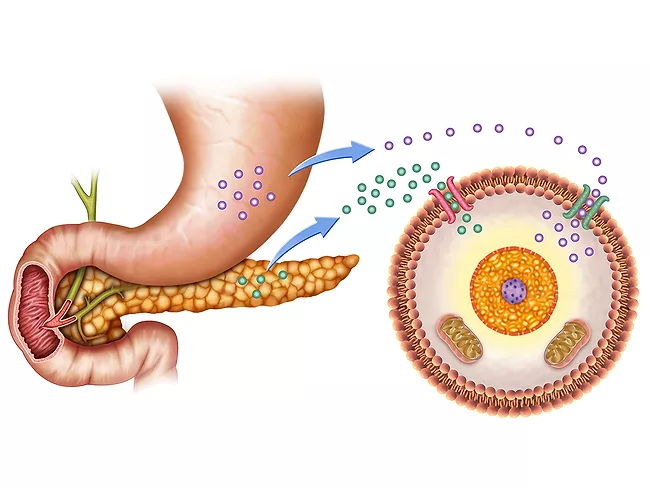
Evidence has suggested free fatty acid receptor 1 (FFAR1), also known as GPR40, as a promising therapeutic target in the treatment of type 2 diabetes, since its activation in pancreatic β cells promotes insulin secretion in a glucose concentration-dependent manner.
 RSS
RSS