Switch Therapeutics Inc. has announced its launch following US$52 million of financing. The company was founded on the premise of a new type of RNA medicine that integrates nucleic acid nanotechnology and RNA interference (RNAi) science.
Teitur Trophics ApS, a spinout from Aarhus University seeded by the Bioinnovation Institute in 2020, has completed a €28 million (US$30.1 million) series A financing. Teitur has developed a platform of first-in-class cyclic peptides with a novel mechanism that preserves neuronal function, and these peptides have the potential to treat a broad range of neurodegenerative diseases.
Research at Friedrich-Alexander-Universität Erlangen-Nürnberg and Johannes Gutenberg Universität Mainz has led to the development of quinazoline-thiohydantoin fused heterocycles reported to be useful for the treatment of leukemia.
Senya Pharmaceuticals Inc. has patented thyroid hormone receptor beta (TR-β) agonists reported to be useful for the treatment of dyslipidemia, hypercholesterolemia, nonalcoholic fatty liver disease (NAFLD), nonalcoholic steatohepatitis (NASH) and liver disease.
Epic Bio (Epicrispr Biotechnologies Inc.) has presented new data demonstrating the achievement of persistent gene activation using its Gene Expression Modulation System (GEMS) platform.
Hepatocellular carcinoma (HCC) is one of the leading causes of cancer deaths among men and its rate of incidence is rapidly increasing in women. The development of new therapeutics targeting hepatic cancer stem cells using herbal medicine could shed light on the treatment of HCC.
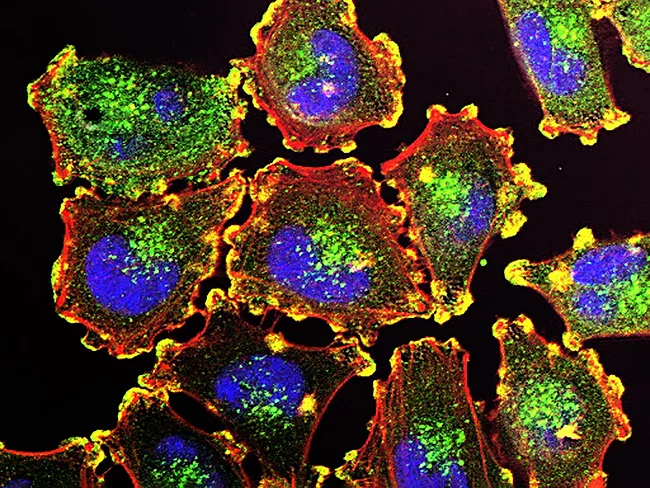
The mTORC2 complex plays an important role in the PI3K/AKT/mTOR pathway, allowing activation of AKT and contributing to the development of BRAF-mutated (BRAFm) melanomas and their resistance to treatments. Researchers from Inserm aimed to identify new candidates for targeting the mTORC2 complex in melanoma, with focus on one principal protein of this complex, MAPKAP1 (also known as SIN1).

 RSS
RSS