While autologous cancer vaccines have held great promise as a personalized approach to treating individualized cancer types, their practical use has failed to deliver in the clinic to date largely owing to low efficacy in eliciting a tumor-specific response.
While tremendous progress has been achieved using immunotherapies for treating hematologic malignancies, there has been little change in the survival of cancer patients with solid tumors. One of the reasons may involve the distinctive limited expression of signaling lymphocytic activation molecule family member 7 (SLAMF7) on hematopoietic cancer cells and macrophages, creating a bridge connecting cells to enable a strong immune response, while SLAMF7 is not expressed on solid tumors at all.
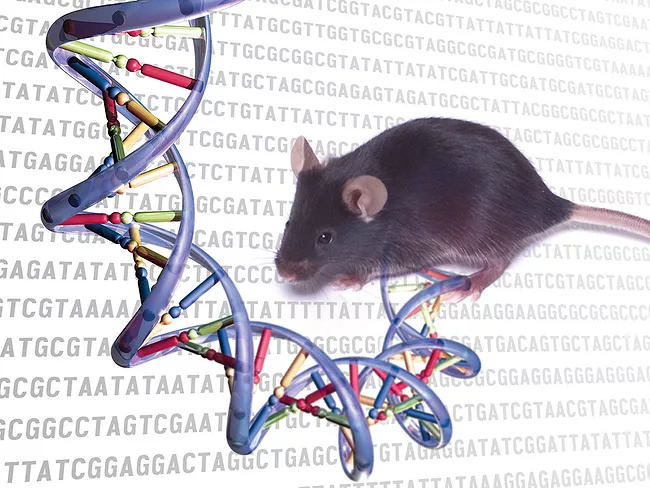
Dravet syndrome is a type of congenital epilepsy caused by nonsense mutations in the SCN1A gene in about 20% of cases; SCN1A gene encodes the alpha subunit of the voltage-gated sodium channel Nav1.1. Spanish researchers and their collaborators have developed a novel murine model of Dravet syndrome; the model was developed by CRISPR/Cas9-generated A>T point mutation at nucleotide 1837 that converts Arg613 to a STOP codon, and which was introduced into exon 12 of the murine Scn1a gene using 129S1/SvImJ embryos.
Researchers from Columbia University presented novel knock-in mouse models, designed to replicate de novo sequence variations in the HCN1 voltage-gated ion channel, p.G391D and p.M153I, which are associated with severe drug-resistant neonatal- and childhood-onset epilepsy, respectively.
Researchers from the Second Hospital of Jilin University have developed a strategy involving immunogenic cell death (ICD) induced by photodynamic therapeutic (PDT) with the aim of enhancing the antitumor effects of an anti-PD-L1 monoclonal antibody (MAb).
Cerebral cavernous malformations (CCMs) are vascular lesions in the central nervous system and in the brain that are tied with intracerebral bleeds and seizures, with an occurrence ratio of 0.4% to 0.9%. Seizure is the second most common symptom and >25% of CCMs are identified following an epilepsy diagnosis.
Ichnos Sciences Inc. has presented data on the first-in-class trispecific BCMA and CD38 T-cell engager ISB-2001, which is based on the company’s TREAT (Trispecific Engagement by Antibodies based on the TCR) technology. The compound targets CD3 on T cells and cotargets BCMA and CD38 on multiple myeloma (MM) cells.
Ovarian cancer is ordinarily associated with poor survival; patients diagnosed with high-grade serous ovarian carcinoma (HGSC) have an overall survival of about 40% at 5 years and 15% at 10 years. Despite having similar histologic features, HGSC patients often experience highly variable outcomes and the underlying determinants for long-term survival (LTS) are largely unknown. In a study published online in Nature Genetics, a multi-institutional group of researchers tried to determine the molecular differences that drive LTS in patients with HGSC.
Shanghai Pharmaceuticals Holding Co. Ltd. has described quinazoline compounds acting as TNF-α and/or IL-6 and/or IL-1β production inhibitors reported to be useful for the treatment of cancer, asthma, malaria, viral infections, autoimmune diseases, cardiovascular disorders, chronic obstructive pulmonary disease (COPD) and transplant rejection.
Quralis Corporation’s clinical trial application (CTA) for QRL-201, a first-in-class Stathmin-2 (STMN2) precision medicine for amyotrophic lateral sclerosis (ALS), has been authorized by Health Canada.
 RSS
RSS