Vega Therapeutics Inc. has reported promising preclinical data on VGA-039, a first-in-class monoclonal antibody directed against human protein S (ProS) that inhibits ProS cofactor activity for tissue factor pathway inhibitor α (TFPIα) and activated protein C (aPC), thus enhancing thrombin generation by acting on both the initiation (TFPIα) and propagation (aPC) phases of coagulation for potential activity against various bleeding disorders.
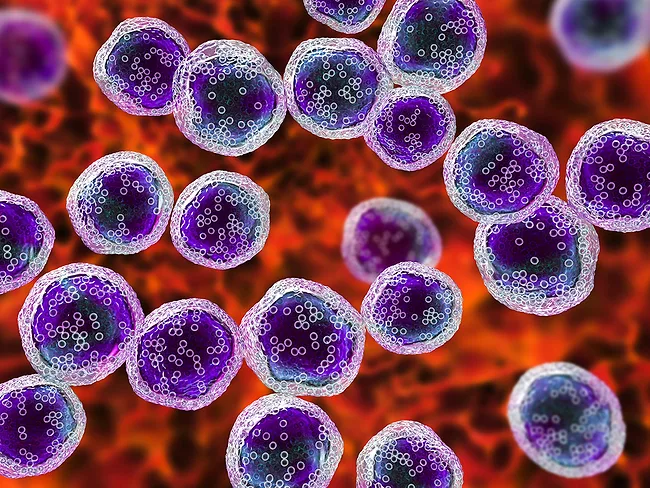
Treatment with anti-CD19 bispecific T-cell engager and CAR T therapies can lead to T-cell exhaustion and treatment failure. Novartis AG’s first-in-class anti-CD19, anti-CD3 and anti-CD2 IgG-like trispecific antibody PIT-565, which engages CD19+ on tumor cells, and CD3 (TCR signaling component) and CD2 (a costimulatory receptor) on T cells simultaneously to redirect T-cell cytotoxicity toward CD19-positive malignant B cells, has been designed to avoid T-cell exhaustion.
Unlike amphibians, mammals do not regenerate appendages. Except when they do. “If you amputate one of the branches off of the antler [of a reindeer], it will also regenerate,” Jeff Biernaskie told BioWorld. Even without amputation, the antlers of both male and female reindeer regenerate annually, including their skin. That regeneration is “the only large mammal model of true skin regeneration,” he said.
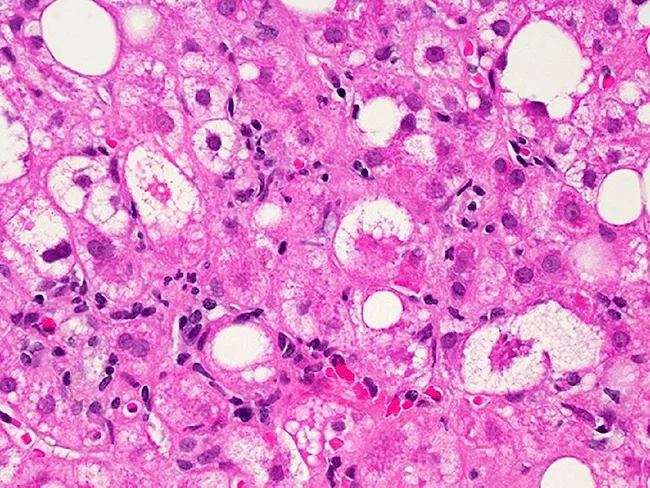
Liver damage arrests growth mediated by the somatotroph axis, which prevents liver cell death and inflammation, but increases fibrosis in nonalcoholic fatty liver disease (NAFLD). The explanation for this effect could lie in the relationship between the activating transcription factor 3 (ATF-3) and insulin-like growth factor 1 (IGF-1), according to a study from the University of California at Berkeley.
Starton Therapeutics Inc. has reported findings from a preclinical efficacy study of STAR-LLD, a continuous delivery system of lenalidomide, in a lenalidomide-resistant animal model. The 28-day efficacy study evaluated STAR-LLD continuous subcutaneous (s.c.) infusion versus intraperitoneal (i.p.) lenalidomide in immunomodulatory drug (IMiD)-resistant RPMI CB.17 SCID mice.
1st Biotherapeutics Inc. has received clearance from the FDA for its IND application to evaluate FB-849, a small-molecule hematopoietic progenitor kinase 1 (HPK1) inhibitor, in patients with advanced solid tumors.
Severe toxicities associated with immune checkpoint inhibitor (ICI) therapy are a major challenge of this anticancer therapy approach. While myocarditis is a rare immune-related adverse event in patients receiving ICIs, it has a nearly 50% mortality rate and its pathogenesis is poorly understood. In the current study, researchers from Vanderbilt University and affiliated organizations published data from a study that evaluated a novel mouse model recapitulating clinical and pathological features of ICI-associated myocarditis (ICI-MC).
New and updated preclinical data presented at the American Society of Hematology Annual Meeting in New Orleans, by: Ajax Therapeutics, Biomea Fusion, Cimeio Therapeutics, Fate Therapeutics, Graphite Bio, GT Biopharma, Ichnos Sciences, IGM Biosciences, Incyte, Kronos Bio, Kymera Therapeutics, Monopar Therapeutics, Orum Therapeutics, OSE Immunotherapeutics, Poseida Therapeutics, Puretech Health, Schrödinger, Senti Biosciences, Vincerx Pharma, Wugen.
CSPC Zhongqi Pharmaceutical Technology (Shijiazhuang) Co. Ltd. has patented spiro compounds acting as tyrosine-protein phosphatase nonreceptor type 11 (PTPN11) inhibitors reported to be useful for the treatment of cancer and cardiovascular and immunological disorders.
 RSS
RSS