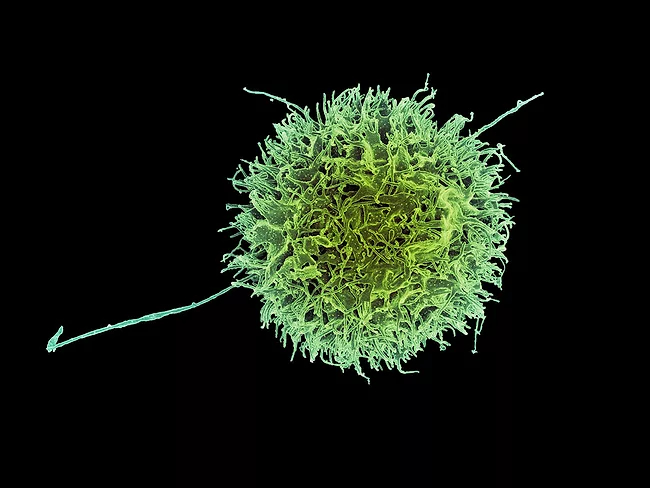
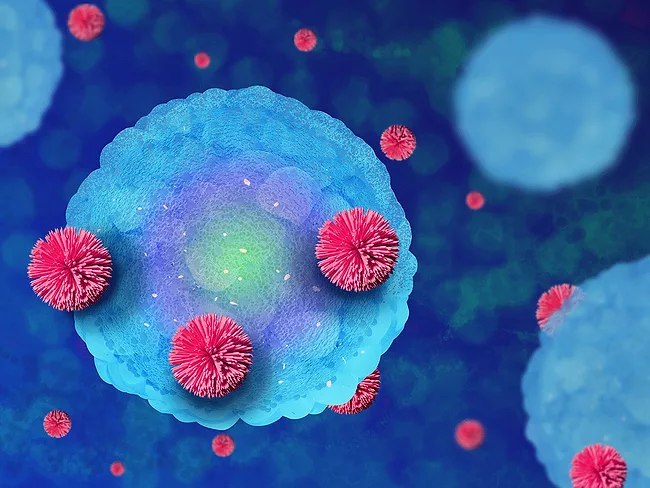
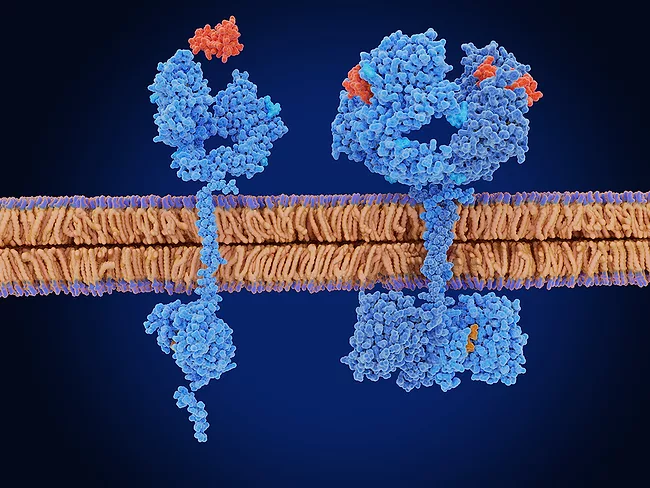
NK cell-based cancer immunotherapy has emerged as an anticancer treatment approach and is currently being tested in clinical trials. KIR2DL5, a member of the human killer cell immunoglobulin-like receptor (KIR) family, has recently been identified as a binding partner for poliovirus receptor (PVR). However, the biology and therapeutic potential of the KIR2DL5/PVR pathway remain widely unexplored.
Abbvie Inc. and Hotspot Therapeutics Inc. have entered into an exclusive worldwide collaboration and option to license agreement for Hotspot's discovery-stage interferon regulatory factor 5 (IRF5) program for the treatment of autoimmune diseases.
Aviceda Therapeutics LLC has completed IND-enabling good laboratory practice (GLP) toxicity studies of its lead ophthalmic drug candidate, AVD-104, in nonhuman primates and rabbits.
Tonix Pharmaceuticals Holding Corp. has entered into a sponsored research agreement with Boston Children's Hospital to study TNX-1500, an Fc-modified anti-CD40L monoclonal antibody, for the prevention of graft-vs.-host disease (GVHD) after hematopoietic stem cell transplant (HSCT) in animals.
A research team based at the University of California, San Diego presented data from a study that evaluated the novel cyclophilin D (CypD) inhibitor CC-2055 in preclinical models of epilepsy.
Research conducted at Inflection Biosciences Ltd. and affiliated organizations has led to the discovery of a novel pan-PIM kinase inhibitor, IBL-101, as a potential therapeutic candidate for autoimmune disease, including psoriasis.
Previous research has shown that cytotoxic lymphocytes rely on gasdermin-mediated pyroptosis to kill tumor cells. Pyroptosis appears to be closely involved in anticancer immune response and has therefore emerged as a promising strategy for cancer treatment. In a recently published study, scientists at the University of Wisconsin-Madison aimed to leverage gasdermin-triggered pyroptosis for antitumor immunotherapy.
Researchers from Nalo Therapeutics Inc. presented the discovery and preclinical evaluation of a novel orally bioavailable and brain-penetrant epidermal growth factor receptor (EGFR) inhibitor, NX-019, being developed as a potential therapeutic agent to treat EGFR-mutant solid tumors.
When a drug prevents bacteria from synthesizing their own folate, an essential compound for their survival, they take it directly from the host. This antibiotic resistance mechanism had not been detected until now because bacteria behave differently in the laboratory than they do in vivo during an infection.
 RSS
RSS