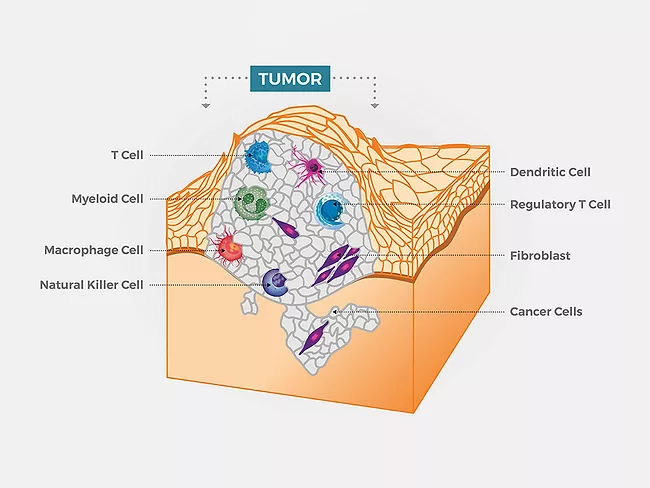
Two studies published this week have reported new insights into the role of the nervous system in tumors outside of the brain. Researchers at the Shanghai Jiao Tong University School of Medicine have identified a role for pain-sensing neurons in helping oral carcinomas cope with nutrient starvation, and that this interaction could be blocked by the calcitonin gene-related peptide (CGRP)-targeting migraine drug Nurtec ODT (rimegepant; Biohaven Pharmaceutical Holding Co. Ltd.).
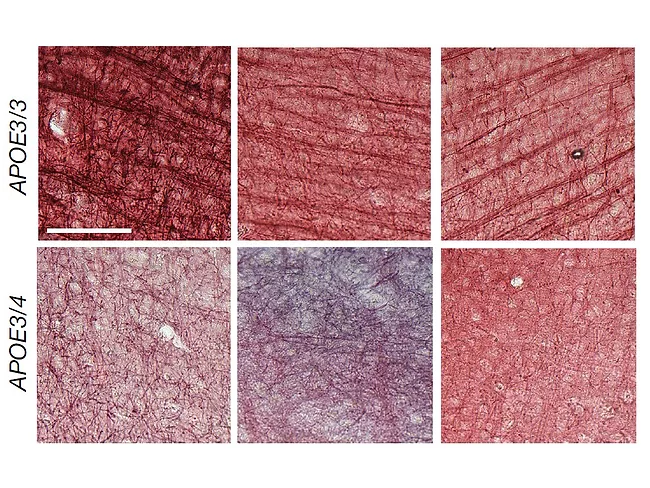
Carrying the apolipoprotein E4 allele (APOE4), and not the APOE3 variant, is the strongest risk factor for developing Alzheimer’s disease (AD). But the underlying mechanism has remained elusive. Now, researchers at MIT and Mount Sinai have found that in brains carrying the APOE4 allele, lipid and cholesterol processes were dysregulated in oligodendrocytes and that this effect reduced myelination.
Elevatebio LLC and Affini-T Therapeutics Inc. have entered into a partnership to advance Affini-T's engineered T-cell therapies focused on KRAS, an oncogenic driver mutation in solid tumor cancers.
New and updated preclinical data presented at the Society for Immunotherapy of Cancer's 37th Annual Meeting in Boston, by:
GI Cell, Maia Biotechnology.
Heptares Therapeutics Ltd. has presented G protein-coupled receptor GPR35 agonists reported to be useful for the treatment of acute and chronic pain, gastrointestinal and lung diseases.
Integral Biosciences Pvt. Ltd. (IBS) has synthesized oxysterols receptor LXR-β (LXRB) agonists reported to be useful for the treatment of cancer, inflammation and Alzheimer's disease.
Novartis AG has described 3C-like proteinase (3CLpro) (SARS-CoV-2; COVID-19 virus) inhibitors reported to be useful for the treatment of SARS-CoV-2 infection (COVID-19).
Chemocentryx Inc. has divulged azetidinyl-acetamides acting as atypical chemokine receptor 3 (ACKR3) antagonists reported to be useful for the treatment of cancer and inflammatory disorders.
Leitat Technological Center has patented 1H-pyrazole derivatives acting as sigma nonopioid intracellular receptor 1 (SIGMAR1) and/or sigma intracellular receptor 2 (TMEM97) ligands reported to be useful for the treatment of pain and neurological disorders.
 RSS
RSS