Ideaya Biosciences Inc. has received IND clearance from the FDA for the initiation of a phase I trial to evaluate IDE-034, a bispecific B7H3/PTK7 TOP1 antibody-drug conjugate.
Researchers from Synthekine Inc. presented preclinical efficacy data on STK-012, a first-in-class IL-2 partial agonist engineered for preferential binding to the IL-2Rαβγ receptor.
Regeneron Pharmaceuticals Inc. and Tessera Therapeutics Inc. have established a global collaboration to develop and commercialize TSRA-196, Tessera’s lead investigational in vivo gene editing program for the treatment of α-1 antitrypsin deficiency (AATD).
Ascletis Pharma Inc. has selected ASC-37 oral tablets as a clinical development candidate for the treatment of obesity. The company expects to submit an IND application to the FDA in the second quarter of next year.
High-grade gliomas, including glioblastomas, are aggressive cancers of the brain that usually recur despite standard treatment, including radiation therapy. These mechanisms conferring persistence to tumor cells may be explained by DNA damage response pathways, especially those relying on ataxia-telangiectasia mutated (ATM) and DNA-dependent protein kinase (DNA-PK), which induce the repair of radiation-induced DNA damage. The effects of the ATM/DNA-PK inhibitor XRD-0394 were evaluated in in vitro models of glioma.
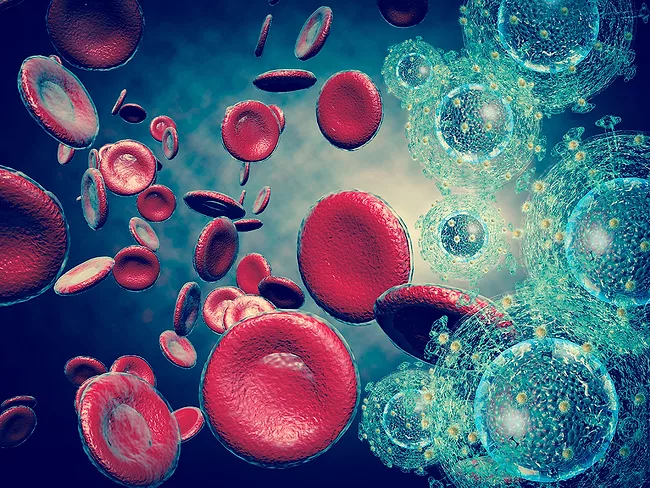
2025 has been the most challenging year in the efforts to fight HIV since at least the advent of antiretroviral therapy. In a report on “Overcoming disruption, transforming the AIDS response,” released last week ahead of World AIDS Day on Dec. 1, the Joint United Nations Program on HIV/AIDS (UNAIDS) described “a global system in shock” by sharply reduced funding from the U.S. and other wealthy nations. Scientifically, for now, progress is ongoing. To mark World AIDS Day, Nature published three independent studies on HIV.
Boehringer Ingelheim Pharma GmbH & Co. KG has described cyclic GMP-AMP synthase (MB21D1; cGAS) inhibitors reported to be useful for the treatment of autoinflammatory interferonopathy, idiopathic pulmonary fibrosis, cirrhosis, metabolic dysfunction-associated steatohepatitis (MASH), interstitial lung diseases, systemic scleroderma (systemic sclerosis) and systemic lupus erythematosus.
Researchers at Dana Farber Cancer Institute Inc. and Stanford University have identified RAF proto-oncogene serine/threonine-protein kinase (RAF1; cRaf) inhibitors reported to be useful for the treatment of cancer.
Eli Lilly & Co. has synthesized relaxin receptor 1 (RXFP1; LGR7) agonists reported to be useful for the treatment of pulmonary hypertension, chronic obstructive pulmonary disease, acute kidney disease, chronic kidney disease, diabetic nephropathy and cardiovascular disorders, among others.
 RSS
RSS