Evaxion A/S has added a new vaccine program, named EVX-B4, to its pipeline for prevention of group A Streptococcus (GAS) infections. Invasive GAS infections can cause diseases such as sepsis, toxic shock, rheumatic heart disease and necrotizing fasciitis.
Amylin is an attractive target in the management of obesity, since it is a peptide hormone co-secreted with insulin in response to food intake, and suppresses appetite and delays gastric emptying. At the American Diabetes Association's Scientific Sessions in Chicago, Structure Therapeutics Inc. presented data regarding the dual amylin receptor and calcitonin receptor agonist ACCG-2671 for obesity treatment.
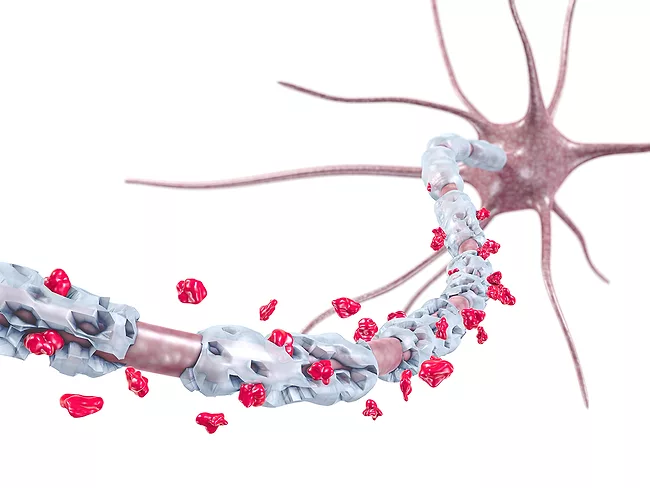
In multiple sclerosis (MS), an alteration of neuronal metabolism caused by dysfunction of its proteasome, the cellular machinery responsible for recycling proteins, contributes to neurodegeneration in this inflammatory disease. This finding could be explored for the development of drugs that protect neurons from damage in MS and other neurodegenerative disorders.
At the 11th Congress of the European Academy of Neurology, which was held in Helsinki June 21 to June 24, researchers presented new data on using CAR T cells in autoimmune neurological conditions.
Scientiam Pharma has disclosed new 6-aminophenanthridine derivatives acting as Epstein-Barr nuclear antigen 1 (EBNA-1) inhibitors reported to be useful for the treatment of Epstein-Barr virus (EBV)-associated disorders such as post-transplant lymphoproliferative disorder, multiple sclerosis and infectious mononucleosis.
Haisco Pharmaceutical Group Co. Ltd. has identified new proteolysis targeting chimeras (PROTACs) comprising an E3 ubiquitin ligase binding ligand coupled to probable global transcription activator SNF2L2 (SMARCA2; BAF190B; SNF2-α)-targeting agent through a linker acting as SMARCA2 degradation inducers and thus reported to be useful for the treatment of lung cancer.
Viva Star Biosciences (Suzhou) Co Ltd. and Viva Star Biosciences (US) Inc. have patented new NLRP3 inflammasome inhibitors reported to be useful for the treatment of neurodegeneration, metabolic diseases, inflammatory disorders, cancer and genetic disorders.
Work at Rubedo Life Sciences Inc. has led to the development of Bcl-2-like protein 1 (Bcl-xl; Bcl-X; BCL2L1) inhibitors acting as senolytic agents and reported to be useful for the treatment of autoimmune disease, cancer, cardiovascular disorders, cognitive disorders, diabetes, inflammatory, metabolic and neurological disorders, among others.
Diffuse midline gliomas (DMGs) are pediatric brain tumors with a very dismal prognosis since less than 5% of patients survive 2 years after diagnosis. Radiotherapy remains the standard treatment for DMG, and several combination chemotherapies and single-agent target therapies are currently being explored.
 RSS
RSS