Wuhan Createrna Science and Technology Co. Ltd. has synthesized new cyclobutenedione compounds acting as C-C chemokine receptor type 6 (CCR6) antagonists potentially useful for the treatment of inflammatory bowel disease, allergy, dry eye, psoriasis, rheumatoid arthritis and multiple sclerosis.
Shenzhen Salubris Pharmaceuticals Co. Ltd. has disclosed new dual proprotein convertase subtilisin/kexin-type 9 (PCSK9) and lipoprotein(a) (Lp[a])-targeting agents potentially useful for the treatment of hypercholesterolemia.
Technophage SA has obtained clinical trial clearances in Europe to initiate a phase I/IIa study of the bacteriophage cocktail TP-122 (component TP-122A) in Portugal and the Netherlands.
Clinical responses to BCMA- or GPRC5D-directed T-cell engagers in relapsed/refractory multiple myeloma (MM) are often limited by disease relapse and antigen escape, underscoring the need for dual-targeting strategies that enhance durability while mitigating cytokine-driven toxicity.
The advent of antibody-drug conjugates (ADCs) changed targeted cancer therapy by enabling the delivery of cytotoxic agents to cancer cells. Topoisomerase I inhibitors are commonly used as payloads in TROP2-directed ADCs, but they are linked to toxicity and emerging resistance. Degrader-antibody conjugates (DACs) go beyond conventional cytotoxic payloads by combining antigen targeting and selective protein degradation.
Immunomic Therapeutics Inc. has obtained clinical trial notification (CTN) clearance from Japan’s Pharmaceuticals and Medical Devices Agency (PMDA) for ITI-9001, an investigational immunotherapy for Japanese red cedar allergy. The first-in-human phase I trial will begin in Japan in the second quarter.
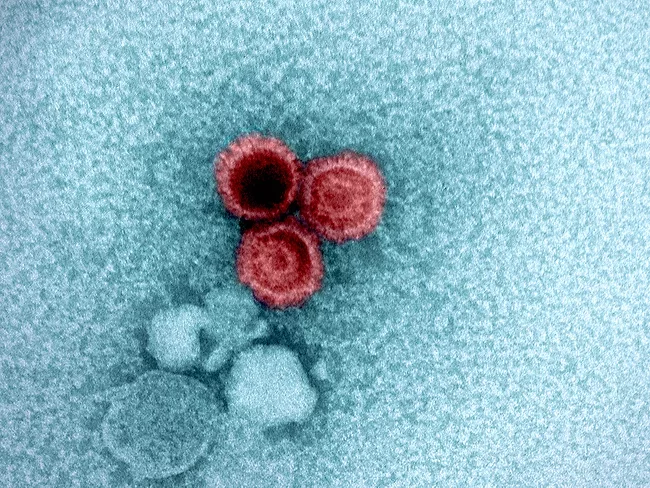
Innovative Molecules GmbH's new Epstein-Barr virus (EBV) antiviral program consists of several directly acting, highly potent, targeted polymerase inhibitors.
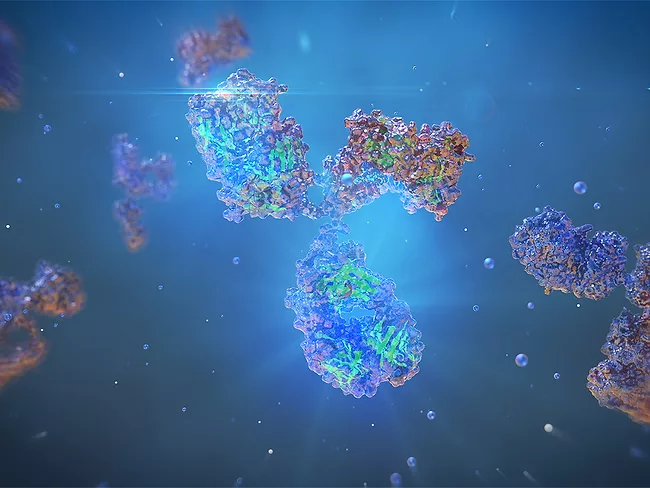
Avalo Therapeutics Inc. is advancing AVTX-010, a long-acting next-generation anti-IL-1β monoclonal antibody with potential for hidradenitis suppurativa and additional inflammatory disorders
At the recently concluded congress of the European Hematology Association, researchers at Cogent Biosciences Inc. presented preclinical data on CGT-1145, a JAK2 V617F-mutant-selective inhibitor designed to preferentially target the mutant kinase while sparing wild-type JAK2.
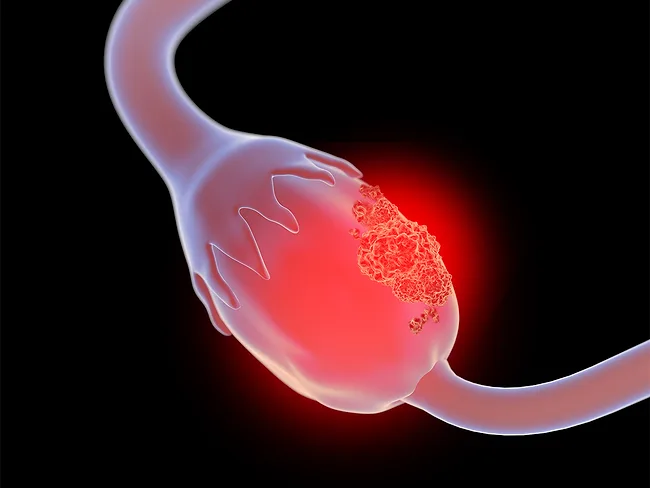
Harnessing an oncolytic signal and redirecting it against the tumor itself could be developed as a selective strategy for certain cancer types, as occurs with ErbB hyperactivity, a form of signaling that drives many carcinomas. Inspired by this idea, scientists at Stanford University have engineered a virus that replicates only in ErbB-hyperactive ovarian cancer cells. This allowed them to precisely kill this specific tumor population, achieving greater efficacy and safety than previous oncolytic viruses.

 RSS
RSS