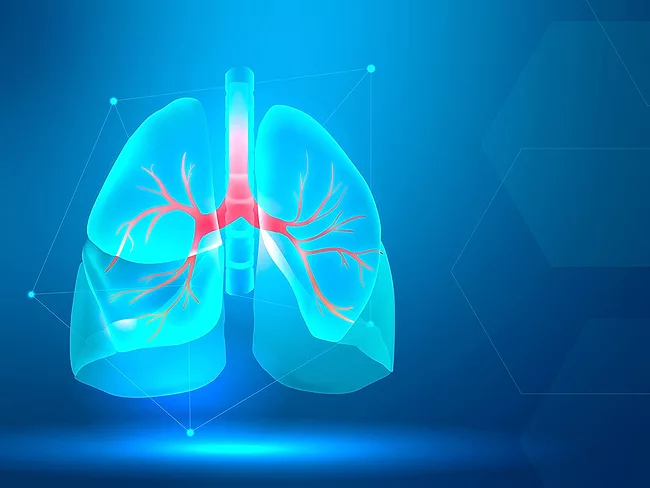
Glucocorticoids are the standard treatment to treat inflammation in asthma, however, they are often associated with cardiovascular disease, osteoporosis or immune suppression risk with chronic use. Novel strategies to combine with traditional treatments, such as those intended to restore hydrogen sulfide (H2S) levels, have emerged as options for treating severe uncontrolled asthma with frequent exacerbations.
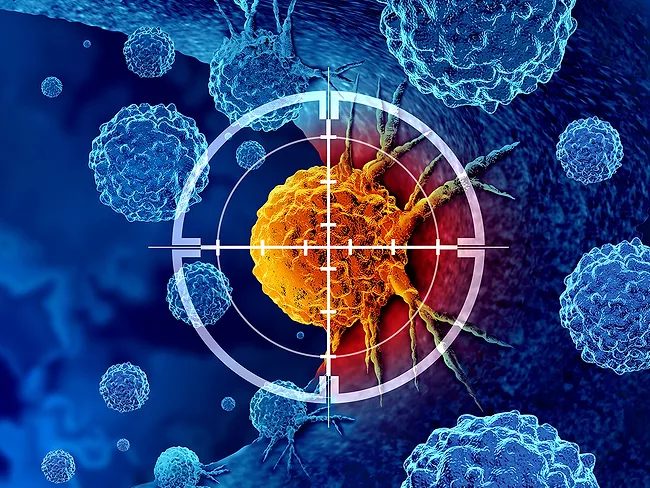
Growth differentiation factor 15 (GDF15) is a stress response cytokine overexpressed in several types of cancer that induces weight loss and anorexia and is associated with poor survival. Researchers from Kyinno Biotechnology (Beijing) Ltd. have reported on the preclinical characterization of KY-NAb-GDF15, an anti-GDF15 antibody in models of cancer cachexia.
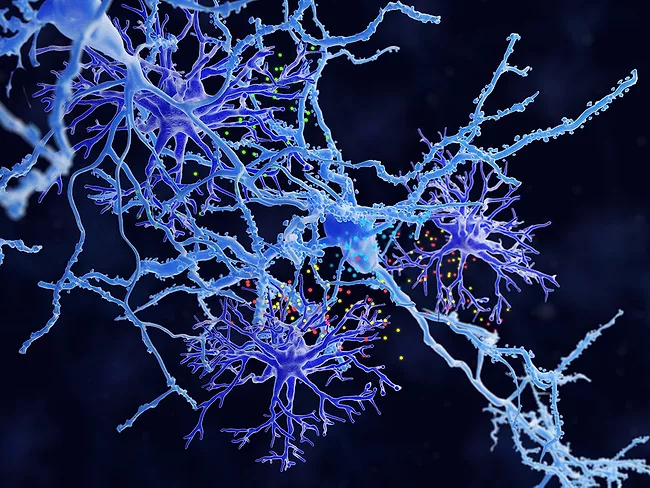
Restoring glucose metabolism in astrocytes, which is impaired in Alzheimer’s disease (AD), has a direct effect on neurons, which replenish their fuel supply and resume synaptic activity. A group of scientists from Stanford University School of Medicine has revealed the pathway that explains where this efflux is interrupted and which molecules restore it in mouse models with amyloid and tau pathology. Their findings could help prevent the progression of this neurodegenerative disease.
The Institute of Physical and Chemical Research, the National Institute of Infectious Diseases Japan and Shizuoka Prefectural University have discovered prodrugs of furanocoumarin derivatives acting as dihydroorotate dehydrogenase (DHODH) inhibitors and reported to be useful for the treatment of viral infection.
Copper complexes acting angiogenesis inhibitors have been disclosed in a patent from Istinye Universitesi and Karadeniz Teknik Universitesi Teknoloji Transferi Uygulama ve Arastirma Merkezi as potentially useful for the treatment of cancer.
Work at DE Shaw Research LLC has led to the identification of bicyclic imide compounds acting as transient receptor potential cation channel subfamily A member 1 (TRPA1) antagonists.
Recent Beigene Ltd. patents describe condensed heterocyclic compounds acting as diacylglycerol kinase α (DGK-α) and/or DGK-ζ (DGK-ζ) inhibitors and reported to be useful for the treatment of cancer.
Eurofarma Laboratórios SA and Universidade Federal do Rio de Janeiro (UFRJ) have jointly patented new sodium channel protein type 9 subunit α (SCN9A; Nav1.7) and/or SCN10A (Nav1.8) blockers reported to be useful for the treatment of pain.
Most patients with gastric cancer are diagnosed in advanced stages of the disease. Target identification and unveiling the molecular mechanisms behind it are crucial for this field.
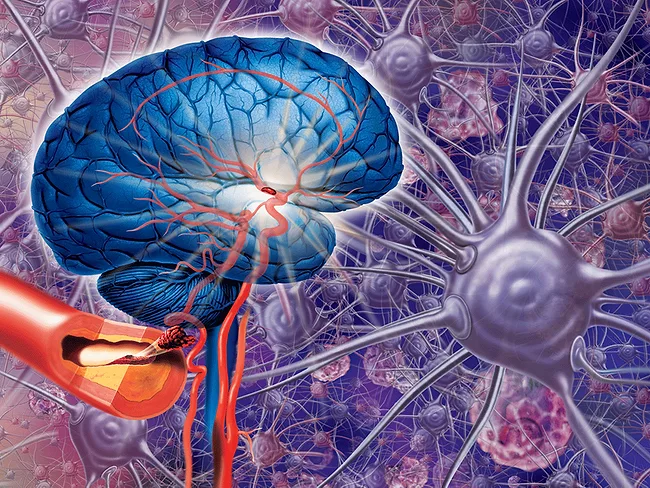
Researchers from University of Bristol and affiliated organizations performed studies to identify new risk factors that would predict future cardiovascular events after an incident stroke.
 RSS
RSS