Innorna Co. Ltd. has obtained IND clearance from the FDA for IN-026, enabling the company to initiate a phase I study of this mRNA-based therapy for refractory gout.
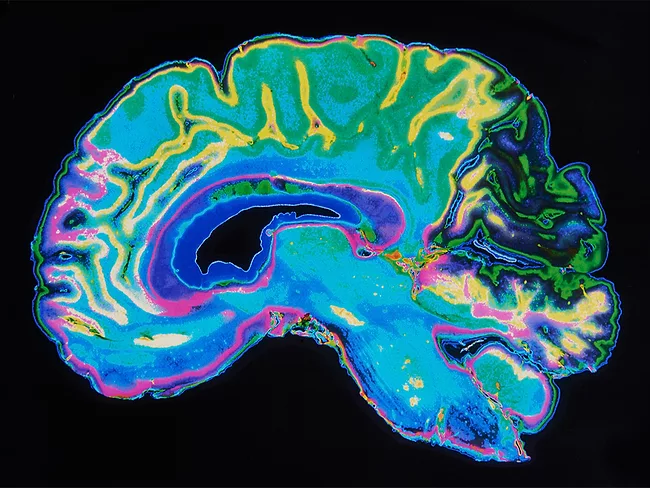
Neurodegenerative disease and cognitive decline cannot be explained by a single process. Beta-amyloid plaques, hyperphosphorylated tau, alpha-synuclein, activated microglia and astrocytes, altered receptors such as TREM2, mitochondrial dysfunction, epigenetic changes and cerebrovascular alterations all seem to contribute to the development of dementia in Alzheimer’s disease (AD). While scientists attempt to address each of these elements, prevention is growing as a primary goal.
Enodia Therapeutics Inc. was spun out of The Institut Pasteur by Argobio Studio based on the work of Caroline Demangel, co-founder of Enodia and head of the immunobiology and therapy unit at The Institut Pasteur. Demangel’s lab discovered the mechanism of action of mycolactone, a natural Sec61 inhibitor that causes Buruli ulcers.
Asieris Pharmaceuticals Co. Ltd. has patented new prodrugs of fibroblast growth factor receptor 3 (FGFR3) inhibitors potentially useful for the treatment of cancer.
A University of Texas System patent describes new YAP1 degradation inducing proteolysis targeting chimeras (PROTACs) designed for use in the treatment of cancer.
Boomray Co. Ltd. has prepared and tested new peptide-drug conjugates comprising a radionuclide-labeled probe linked to a fibroblast activation protein α (FAP)-targeting peptide. They are reported to be useful for the diagnosis and treatment of cancer, inflammation, atherosclerosis, fibrosis and scars.
Gasherbrum Bio Inc. has discovered new glucagon-like peptide 1 receptor (GLP-1R) agonists. They are reported to be useful for the treatment of type 2 diabetes, dyslipidemia, hyperglycemia, hypertension, obesity and more.
Alloy Therapeutics Inc. has entered into an agreement with Abbvie Inc. to develop a new antibody platform to discover antibodies against targets that are difficult to address with current technologies.
Facioscapulohumeral muscular dystrophy (FSHD) is a muscle wasting disease caused by aberrant expression of double homeobox protein 4 (DUX4). When DUX4 is activated in skeletal muscle, it triggers myocyte cell death after several transcriptional changes, thus genetic DUX4 silencing arises as a promising approach for treating FHSD.

 RSS
RSS