Recent genome-wide association studies identified an association between low bone mineral density (BMD) and a single-nucleotide polymorphism (SNP) at the MALAT1 locus, but there is no functional evidence on the role of MALAT1 alterations in BMD or osteoporosis. Hence, scientists at MD Anderson Cancer Center aimed to assess the functional role of MALAT1 alterations in low BMD and osteoporosis.
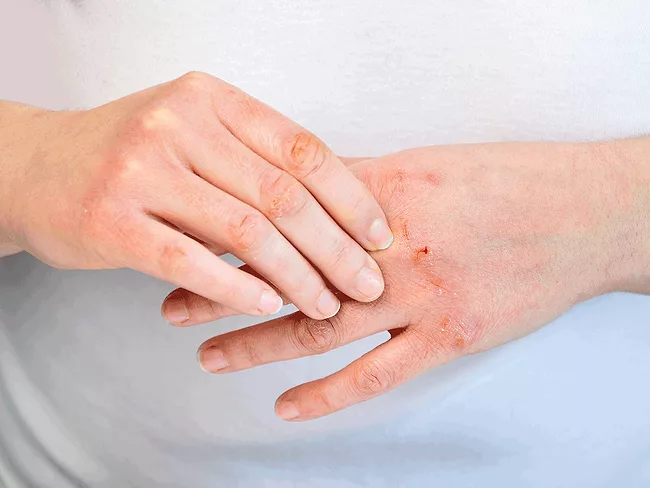
Scientists from the Australian National University have discovered the gene mutation responsible for causing psoriasis, and the findings could lead to improved diagnosis and treatment for patients with psoriasis and psoriatic arthritis, a chronic inflammatory skin disease. “We were able to identify the gene that could be important in enabling this progression from a skin-only condition to a skin-and-joint condition,” lead study author Chelisa Cardinez told BioWorld.
One of the building blocks for newly launched Clasp Therapeutics Corp. is making the right patient choices for treatment. If those who receive the company’s therapy are correctly identified, CEO Robert Ross told BioWorld, it will have a profound effect on outcomes. The missing link in cancer treatment, Ross added, was how to identify a patient, something he said Clasp is able to do.
University of Nebraska has described SF-2523 derivatives acting as dual inhibitors of bromodomain-containing protein 4 (BD2 domain) (BRD4 BD2) and phosphatidylinositol 3-kinase (PI3K) reported to be useful for the treatment of medulloblastoma and fibrosis.
Assembly Biosciences Inc. has disclosed bicyclic heterocycle compounds reported to be useful for the treatment of cytomegalovirus (CMV) and herpes simplex virus (HSV) infections.

 RSS
RSS