Monopar Therapeutics Inc. has released promising preclinical imaging data of a therapeutic radioisotope bound to its proprietary urokinase plasminogen activator receptor (uPAR)-targeting agent, MNPR-101.
The long-term use of corticosteroids for treating Duchenne muscular dystrophy (DMD) is tied to several undesired effects, compromising the patient’s quality of life; hence, the use of nonsteroidal drugs is highly desirable in the treatment of DMD. Metriopharm AG is investigating the nonsteroidal drug MP-1032 for DMD and recently presented data from studies in a model of DMD.
Crossbow Therapeutics Inc. has nominated its first development candidate, CBX-250, a first-in-class, potent and specific T-cell engager (TCE) for the treatment of myeloid leukemia. CBX-250 targets a cathepsin G (CTSG) peptide-human leukocyte antigen (pHLA) complex abundantly expressed on leukemic cells, but not on normal cells.
CARB-X (Combating Antibiotic-Resistant Bacteria Biopharmaceutical Accelerator) has announced an award of $1.06 million to the Helmholtz Institute for Pharmaceutical Research Saarland (HIPS) to develop a new class of small-molecule inhibitors of bacterial sliding clamp (DnaN), a pivotal component of DNA replication machinery, which is a clinically unproven but promising novel mechanism for targeting bacteria.
Iron-sulfur clusters are co-factors that are involved in several biological processes, such as oxidative phosphorylation, enzymatic reactions, and DNA replication and repair. Scientists from the National Institutes of Health (NIH) have presented a study regarding the clinical manifestations associated with a novel neuromuscular disease gene – CIAO1 – which encodes probable cytosolic iron-sulfur protein assembly protein CIAO1 and is an essential member in the cytoplasmic iron-sulfur assembly machinery.
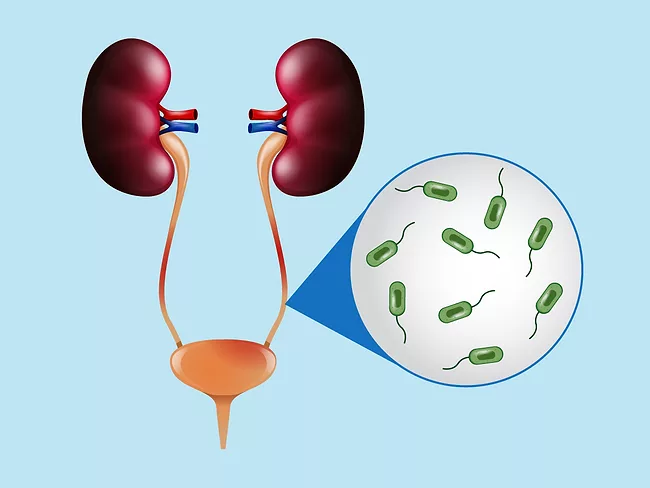
In a recent study led by Soman Abraham from Duke University, investigators observed that an increase in nociceptive sensory nerves in urinary tract biopsies from patients with recurrent urinary tract infections (rUTIs) was linked to elevated nerve growth factor (NGF) from monocytes and mast cells. This overgrowth of nerve cells appeared to cause lingering symptoms after rUTIs. These findings, appearing in the March 1, 2024, online edition of Science Immunology, have the potential to provide a new approach to managing symptoms of rUTIs that would reduce unnecessary antibiotic usage.
On March 4, 2024, several groups of scientists discussed the challenges of investigating the effects of HIV in the central nervous system (CNS) at the oral abstract session on neuropathogenesis of HIV held during the 31st Conference on Retroviruses and Opportunistic Infections (CROI), in Denver. A cure for HIV will require eliminating the virus in all its reservoirs, those tissues where HIV remains latent but retains the capacity for reactivation and replication. However, despite antiretroviral therapy (ART), the virus could continue to replicate continuously at a low level in some reservoirs, including the CNS.
Suzhou Lexbio Pharm Co. Ltd. has patented macrocyclic triazole derivatives acting as high-affinity nerve growth factor receptor (NTRK1; TRKA) inhibitors reported to be useful for the treatment of cancer, multiple sclerosis, neuropathic pain, Alzheimer’s and Parkinson’s diseases.
Haisco Pharmaceutical Group Co. Ltd. has prepared proteolysis targeting chimera (PROTAC) compounds comprising a cereblon ligase-binding moiety coupled to an EGFR (HER1; erbB1)-targeting moiety through a linker.

 RSS
RSS