Chiesi Farmaceutici SpA has detailed new discoidin domain-containing receptor DDR1 and DDR2 inhibitors reported to be useful for the treatment of idiopathic pulmonary fibrosis (IPF).
Work at Abbisko Therapeutics Co. Ltd. has led to the identification of new protein arginine N-methyltransferase 5 (PRMT5) inhibitors potentially useful for the treatment of cancer.
Shouyao Holdings (Beijing) Co. Ltd. has patented tyrosine-protein phosphatase non-receptor type 11 (PTPN11; PTP-2C; SHP-2) inhibitors reported to be useful for the treatment of cancer and Noonan syndrome.
Kinesin-like protein KIF18A inhibitors have been reported in a Humanwell Healthcare (Group) Co. Ltd. patent and are described as potentially useful for the treatment of atopic dermatitis, autoimmune disease, cancer, Crohn’s disease, psoriasis and ulcerative colitis.
Baylor College of Medicine has disclosed new neurotrophic receptor tyrosine kinase (NTRK) inhibitors that are reported to be useful for the treatment of cancer, endometriosis, female infertility, pelvic pain and inflammatory disorders.
Since oxaliplatin is currently one of the most effective chemotherapeutic drugs used in the treatment of colorectal cancer (CRC), resistance to oxaliplatin usually leads to therapeutic failure and poor prognosis in CRC patients. A team at The Sixth Affiliated Hospital - Sun Yat-sen University aimed to investigate the mechanisms of metabolic reprogramming in oxaliplatin resistance in CRC.
Cannabinoid CB2 receptor and serotonin 5-HT1A receptor agonists have emerged as therapeutic options for their antidepressive and anxiolytic properties, apart from being linked to synergistic antinociceptive activity when used in combination in animal tests.
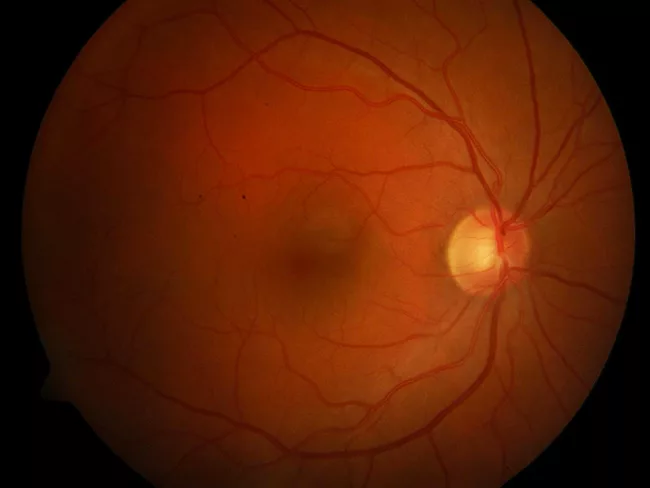
At the recent Macula Society Meeting, researchers from the Molecular Insight Research Foundation reported on the creation of a novel murine model of North Carolina macular dystrophy.
Immunesensor Therapeutics Inc. has presented preclinical data on the stimulator of interferon genes (STING) agonist IMSA-101 which is designed to modify the tumor microenvironment in solid tumors and thus improve the trafficking and infiltration of CAR T-cell therapy into the tumor.
In a recent study, scientists from Medical University of South Carolina aimed to evaluate whether immunogenic cell death (ICD) can trigger resistance to anticancer therapies and explore potential therapeutic opportunities to revive ICD and restore drug sensitivity.

 RSS
RSS