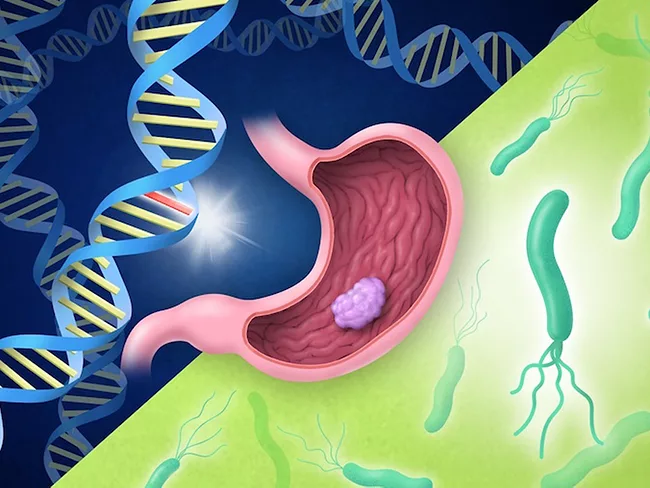
Infection with Helicobacter pylori is a risk factor for the development of gastric cancer. H. pylori initiates a chronic inflammatory response that can lead to the production of excessive radical oxygen species (ROS), which in turn can activate oncogenic signaling pathways leading to gastric cancer development. SUMOylation is a post-translational modification mechanism in cells in response to reactions to stress. A team at The First Affiliated Hospital of Nanchang University hence set out to study the role of SUMO-activating enzyme subunit 1 (SAE1) in gastric cancer, since it is a SUMO-activating effector protein.
Oligomeric amyloid-β (Aβ) peptide causes synaptic dysfunction, accumulates within synapses, and has been associated with synapse loss around plaques in Alzheimer’s disease (AD). However, there is a need to identify synaptic binding partners of Aβ that mediate synaptotoxicity in the brain. A team of investigators from the University of Edinburgh and affiliated organizations aimed to identify synaptic receptors that bind Aβ in human AD.
Combating Antibiotic-Resistant Bacteria Biopharmaceutical Accelerator (CARB-X), led by Boston University, is awarding $1.2 million to the Andrew G. Myers Research Group at Harvard University to develop a series of enhanced oral antibiotics that directly target a range of antibiotic-resistant bacteria which cause serious lower respiratory tract and skin and soft tissue infections.
It has been shown that vascular endothelial growth factor A (VEGF-A) induces blood-brain barrier disruption and vasogenic edema and it is up-regulated in stroke. When bound to its receptor, VEGF promotes angiogenesis and neuroprotection, in addition to inducing vasogenic edema. VST Bio Ltd. and Yale University have presented data on their monoclonal antibody against syndecan-2, named VST-002, that completely blocks VEGF-driven vasogenic edema while preserving neuroprotective effects.
In repeated concussions, removing damaged mitochondria could prevent the neurodegeneration that occurs when pathology progresses in some patients. The key would be in the role of the p17 protein in restoring mitophagy, according to scientists from the Medical University of South Carolina (MUSC). “Brain injury is an extrinsic disease. It is not idiopathic. When the primary injury occurs, the secure mechanism only relies on an endogenous protection of the brain. If you have a good neuroprotective mechanism, then after the primary injury, basically you don’t see any symptomatic effect,” Onder Albayram told BioWorld.
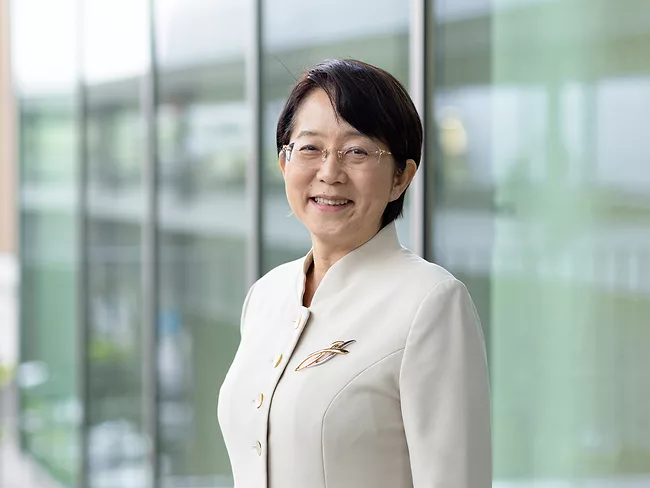
Vision Care Group CEO Masayo Takahashi led the world's first clinical study of a retinal cell transplant derived from induced pluripotent stem cells (iPS cells) in 2014 when she led the Laboratory for Retinal Regeneration at Japan’s Riken Center for Biosystems Dynamics Research. In 2019, she founded Vision Care and subsequently founded two subsidiary companies dedicated to developing cell and gene therapies.
 RSS
RSS