GPR139 is an orphan G protein-coupled receptor expressed in neurons of the mediobasal hypothalamus that has been proposed as a target for disorders such as Parkinson’s disease, alcohol addiction or schizophrenia, among others.
CSPC Pharmaceutical Group Ltd.’s selective son of sevenless homolog 1 (SOS-1) inhibitor SYH-2038 has received clearance by China’s National Medical Products Administration (NMPA) to enter clinical trials in China.
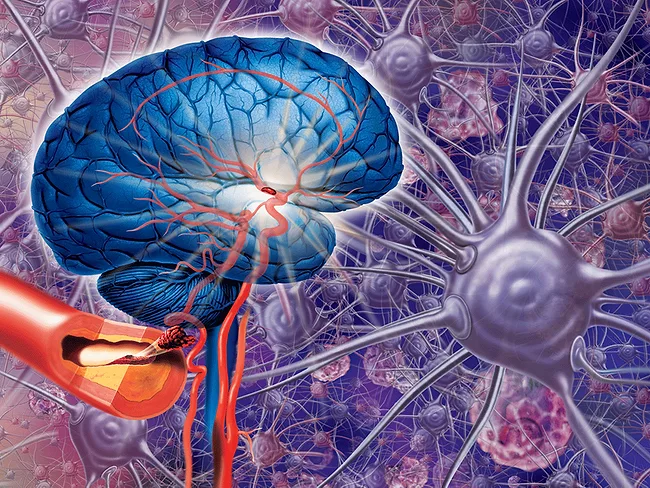
In stroke, one of the events underlying neuronal injury is the interaction of neuronal nitric oxide synthase (nNOS) with postsynaptic density protein 95 (PSD-95) leading to nitric oxide overproduction.
Anaptysbio Inc. has signed an exclusive license agreement for Centessa Pharmaceuticals plc’s blood dendritic cell antigen 2 (BDCA-2) modulator antibody portfolio, including lead asset CBS-004 (to be renamed ANB-101) and related family of backup antibodies, for the treatment of autoimmune and inflammatory diseases.
BMPR2 mutations are the most common genetic cause of pulmonary arterial hypertension (PAH). Pulmonary artery endothelial cells (PAECs) with reduced BMPR2 expression are linked to a persistent DNA damage after reoxygenation. Forkhead box F1 (FOXF1) is a transcription factor with affinity for endothelial cells in the lung, and its reduced expression has also been associated with DNA damage in those cells and PAH.
Patients with polycystic kidney disease (PKD) are at high risk of developing end-stage renal disease, especially clear cell renal cell carcinoma (ccRCC). Since SET domain-containing 2 (SETD2) has been previously identified as an important tumor suppressor and an immunosuppressor in ccRCC, a recent study aimed to investigate the role of SETD2 in the progression of PKD into ccRCC.
Why cancer? The mechanisms that drive and maintain tumorigenesis are still a mystery. This is a play with different actors who have different roles in several contexts. One of these scenarios is represented by genetic and epigenetic conditions that determine the early trajectories of cancer cells. In addition, different mechanisms will control phenotypes and states that can take one or another direction toward cancer.
Treeline Biosciences Inc. has described proteolysis targeting chimeras (PROTACs) comprising cereblon (CRBN) ligands coupled to a Bcl-2-like protein 1 (Bcl-xL; Bcl-X; BCL2L1) targeting moiety via linker acting as Bcl-xL degradation inducers.
Revolution Medicines Inc. has divulged son of sevenless homolog 1 (SOS1) inhibitors reported to be useful for the treatment of cancer, neurofibromatosis type 1, cardiofaciocutaneous, Noonan, Costello and Legius syndrome (neurofibromatosis type 1-like syndrome), among others.
Yale University has identified compounds reported to be useful for the treatment of dry age-related macular degeneration (AMD), Fuchs endothelial corneal dystrophy, cataract, glaucoma and keratoconus.
 RSS
RSS