Intracellular chloride levels are crucial for physiological brain development and correct functioning. On the other hand, aberrant expression of chloride importer NKCC1 (basolateral Na-K-Cl symporter, SLC12A2) and exporter KCC2 (K-Cl cotransporter 2, SLC12A5) is involved in neurodevelopmental and neurologic conditions, including mesial temporal lobe epilepsy (MTLE), among others, leading to an imbalance between excitatory and inhibitory signals.
Ebviously GmbH, a spin-off from Helmholtz Munich (HMGU), has presented new in vitro data for its Epstein-Barr virus (EBV) vaccine candidate EBV-001. Based on noninfectious virus-like particles (VLPs) derived from EBV, EBV-001 is designed as a highly immunogenic, multiantigen vaccine to prevent EBV-associated diseases, such as infectious mononucleosis.
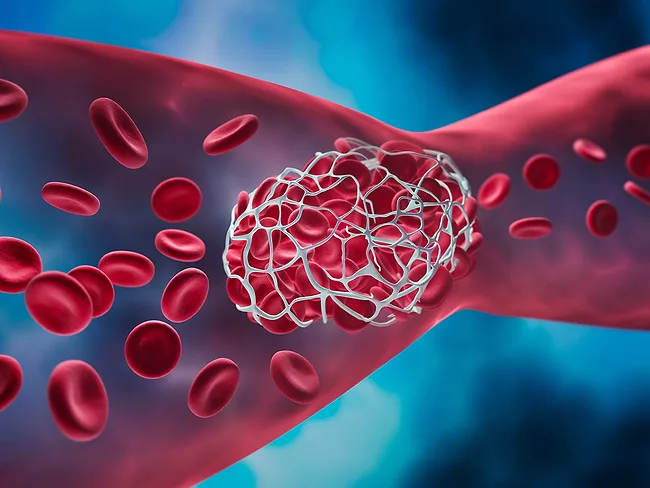
Cereno Scientific AB has completed the preclinical safety program for CS-014, a histone deacetylase (HDAC) inhibitor in development for arterial and venous thrombosis prevention.
Norcantharidin is an active ingredient in Chinese traditional medicine that has activity against several cancer types, but its application is limited in the clinic due to toxicity and a narrow treatment window. Researchers from Tongji University and the Shanghai Institute of Materia Medica have recently described a derivative of norcantharidin – DCZ-5417 – for the potential treatment of multiple myeloma (MM).
Lung adenocarcinoma may be cornered by a recent finding coming from a study published on Nov. 30, 2023, in the Proceedings of the National Academy of Sciences. This investigation has unveiled that a tumor suppressor molecule called RNA-binding motif protein 10 (RBM10) partners with two ribosomal proteins, which in turn inactivate the well-known oncogene Myc proto-oncogene protein (c-Myc).
Hangzhou Synrx Therapeutics Technology Co. Ltd. has described heterocyclic compounds acting as DNA polymerase θ (POLθ) inhibitors reported to be useful for the treatment of cancer.
Kumquat Biosciences Inc. has identified GTPase KRAS and KRAS (G12D mutant) inhibitors reported to be useful for the treatment of cancer, particularly solid tumors and hematological cancer.
Gibson Oncology LLC and Purdue Research Foundation have synthesized DNA topoisomerase I (Topo1) inhibitors and/or Myc proto-oncogene protein promoter G-quadruplex (MycG4) ligands reported to be useful for the treatment of cancer.
 RSS
RSS