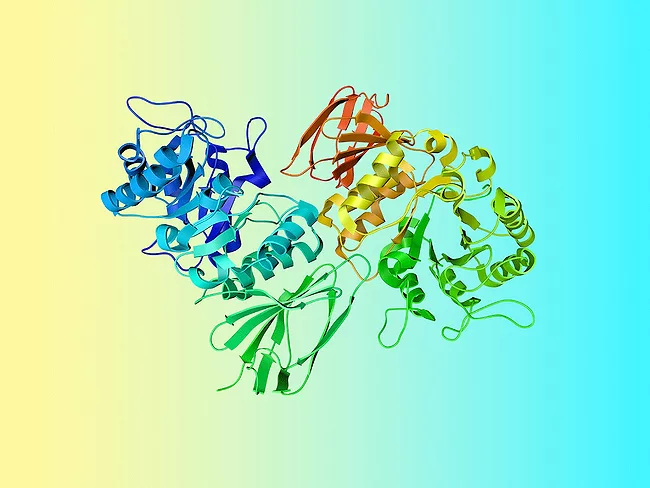
Cancer Research Technology Ltd. has described inhibitors of nuclear factor κB kinase subunit α (CHUK; IKK-1; IKK-α) reported to be useful for the treatment of inflammation and cancer.
Cytokinetics Inc. has identified bicyclic piperazinones with the ability to modulate skeletal muscle contractility reported to be useful for the treatment of amyotrophic lateral sclerosis, spinal muscular atrophy, myasthenia gravis, chronic obstructive pulmonary disease, stress urinary incontinence, sarcopenia, obesity and peripheral vascular disease, among others.
Researchers at F. Hoffmann-La Roche Ltd. and Hoffmann-La Roche Inc. have synthesized radiolabeled compounds acting as GABA(A) receptor subunit α2β2γ1 (GABRA2) positive allosteric modulators acting as positron-emission tomography (PET) and autoradiography imaging agents reported to be useful for the diagnosis of neurological disorders.
LW-231, under development by Shanghai Longwood Biopharmaceuticals Co. Ltd., is a novel bifunctional molecule designed to simultaneously modulate hepatitis B virus (HBV) capsid assembly and activate cGAS-STING pathway. Preclinical data were recently presented.
KSQ Therapeutics Inc., in collaboration with The University of Texas MD Anderson Cancer Center and the Cell Therapy Manufacturing Center (CTMC), have announced FDA clearance of an IND application for a phase I/II study of KSQ-001EX, KSQ’s lead engineered tumor-infiltrating lymphocyte (eTIL) program.
CSPC Pharmaceutical Group Ltd.’s SYH-2053 injection has obtained clearance from China’s National Medical Products Administration (NMPA) to enter clinical trials in China.
Researchers from Shandong Provincial Hospital have published details on the discovery and preclinical characterization of a novel potent microtubule polymerization inhibitor for the treatment of cancer.
 RSS
RSS