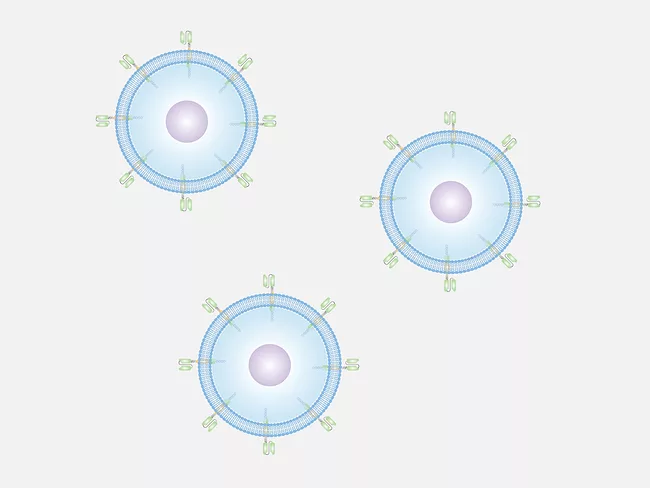
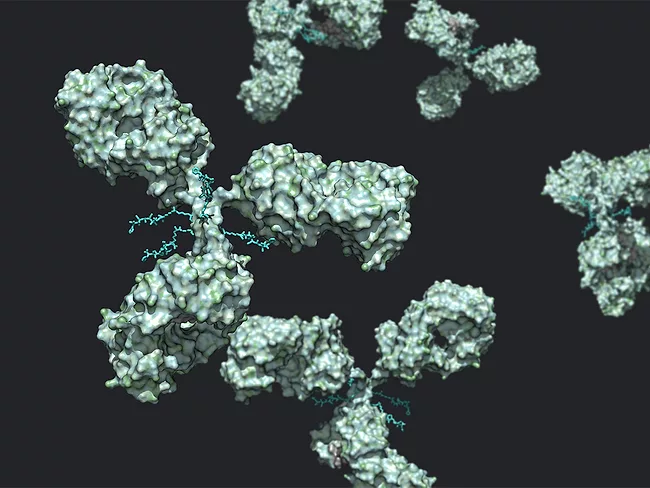
Researchers from Sanofi SA have detailed the development of a next-generation HER2-targeting T-cell engager (TCE) to increase selectivity for HER2-low tumor cells, while minimizing its effects on normal tissues expressing physiologic levels of HER2.
Although antibodies to PD-L1 are used in the clinic, their benefit is limited by immune exclusion within the local microenvironment. Objective response rates with anti-PD-L1 monotherapy are low due to the heterogeneity of PD-L1 expression, low tumor mutational burden and the highly immunosuppressive tumor microenvironment (TME) of cholangiocarcinoma (CCA).
Recent evidence has pointed toward Werner syndrome helicase (WRN) as an attractive target for the management of microsatellite instability-high (MSI-H) tumors, including colorectal, gastric and endometrial cancer mainly.
A modified version of CRISPR-Cas9 has enabled, for the first time, the efficient integration of a large transgene capable of inactivating entire chromosomes into one of the three copies of chromosome 21 in Down syndrome-derived cells. The goal is to silence the extra copy to limit the gene-dosage imbalance that drives many features of trisomy 21. Researchers at Beth Israel Deaconess Medical Center turned to XIST, the long noncoding RNA responsible for the natural silencing of the X chromosome in females. Using this strategy, they achieved integration efficiencies of 20% to 40% and a partial reduction in the overexpression of chromosome 21 genes.
Ascletis Pharma (China) Co. Ltd. has patented new 2-phenyl-1,2,4-triazine-3,5(2h,4h)-dione derivatives acting as thyroid hormone receptor β (THR-β) agonists potentially useful for the treatment of diabetes, obesity, hyperlipidemia, fibrosis, hepatic steatosis, thyroid cancer and hypercholesterolemia, among others.
Resother Pharma ApS has divulged new N-formyl peptide receptor 2 (FPR2; FPRL1; LXA4) agonists potentially useful for the treatment of chronic inflammation.
K2 Medicines (Nanjing) Co. Ltd. has identified new proteolysis targeting chimera (PROTAC) compounds comprising an E3 ubiquitin ligase-binding moiety coupled to a cyclin-dependent kinase 4 (CDK4)- and/or CDK4/6 dual-targeting moiety. They are designed for use in the treatment of cancer, neurodegeneration, viral infection, cardiovascular and inflammatory disorders.
 RSS
RSS