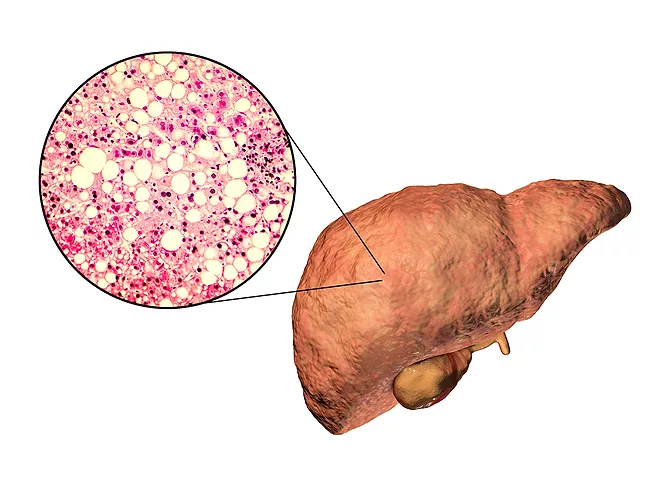
Researchers from Pilatus Biosciences SA recently presented preclinical efficacy data for PLT-012, a humanized IgG4 antibody targeting CD36, in metabolic dysfunction-associated steatohepatitis (MASH) models.
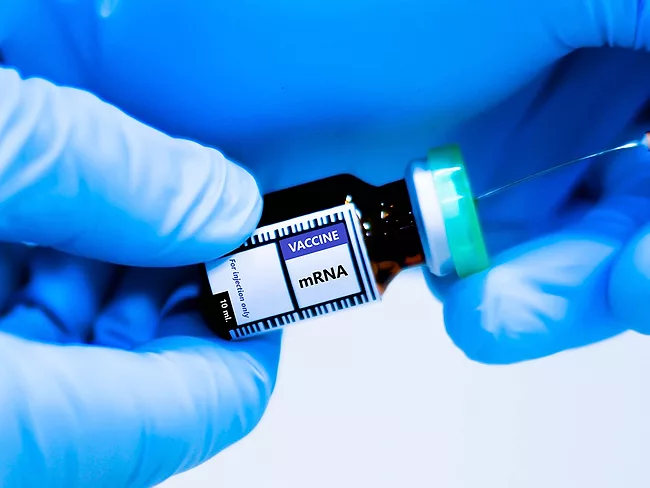
Moderna Inc. has announced an expanded collaboration with the Coalition for Epidemic Preparedness Innovations (CEPI) to advance the development of a potential vaccine against Bundibugyo Ebola virus (BDBV), a cause of Ebola virus disease.
Hepatocellular carcinoma (HCC) remains a major cause of cancer death worldwide and, although early-stage disease can sometimes be cured by surgical resection and liver transplantation, advanced cases still respond poorly to current systemic treatments and immunotherapy.
At the recently concluded European Association for the Study of the Liver meeting, presentations underscored how increasingly granular insights into liver pathobiology are driving the rapid identification of new druggable targets across diverse indications.
On the heels of the multibillion-dollar licensing deal between Bristol Myers Squibb Co. and Jiangsu Hengrui Pharmaceuticals Co. Ltd., Chairman John Moolenaar (R-MI), of the House Select Committee on the Chinese Communist Party, sent a letter to Treasury Secretary Scott Bessent urging him to add biotechnology as a prohibited technology under the Comprehensive Outbound Investment National Security (COINS) Act of 2025.
Norroy Bioscience Co. Ltd. has prepared and tested peptide-drug conjugates comprising a fibroblast activation protein α (FAP)-targeting moiety linked to a radionuclide-labeled metal chelating agent for use as positron emission tomography (PET) imaging agents in the diagnosis and/or treatment of cancer.
A University of California patent describes new poly(ADP-ribose) polymerase 1 (PARP-1; ARTD1), DNA repair and serine/threonine-protein kinase ATR inhibitors potentially useful for the treatment of cancer.
Synnovation Therapeutics Inc. has discovered new proteolysis targeting chimera (PROTAC) compounds comprising an E3 ubiquitin-protein ligases binding moiety coupled to nuclear factor erythroid 2-related factor 2 (NFE2L2; NRF2)-targeting moiety potentially useful for the treatment of cancer.
 RSS
RSS