Raya Therapeutic Inc. has entered into an early-stage R&D collaboration with Argenx SE to evaluate combinations of Raya’s pipeline of targeted small molecules with a potentially complementary product from Argenx.
A chance discovery has led to a new class of antibiotics with multiple arms that interacted with the cell wall of gram-positive bacteria, inhibiting their assembly and disarming them. “It was an accidental discovery. We were using it to stain cells. We also were running evaluations of antibiotics. One of my former students came to me and said: ‘I think we have discovered something that is quite potent as an antibiotic,’” the senior author Xingyu Jiang told BioWorld.
Parasitic diseases caused by trypanosomatid protozoa have long been treated with traditional methods. However, the effectiveness of current treatments for leishmaniasis is limited. Some are toxic, or have been abandoned, such as in the cases of Chagas disease and human African trypanosomiasis (HAT), commonly known as sleeping sickness.
The development of an embryo in its early stages involves a series of processes in which cells interact and organize to form tissues. In humans, these stages are studied with animal models, stem cells and cell aggregates that mimic natural development phases, or with human embryos, depending on their availability and a strict protocol. Now, in back-to-back papers published online in Nature, scientists from Yale University and the University of Cambridge have two new embryonic models formed from human stem cells to study development after embryo implantation in the uterus.
Several developmental biology and regenerative medicine laboratories that use cellular reprogramming techniques presented their latest results on the differences in the states of induced pluripotent stem cells (iPSCs) during a Plenary Session on “Epigenetic regulation of distinct cell states” at the Annual Meeting of the International Society for Stem Cell Research (ISSCR), in Boston from June 14 to 17, 2023.
With CRISPR-Cas9 technology making its way toward clinical practice, laboratories are studying different gene-editing techniques, from base editors to prime editors, to correct mutations associated with various pathologies. Researchers at Tessera Therapeutics Inc. have been inspired by retrotransposons to develop a tool for editing DNA using RNA and reverse diseases such as phenylketonuria (PKU) or sickle cell disease (SCD).
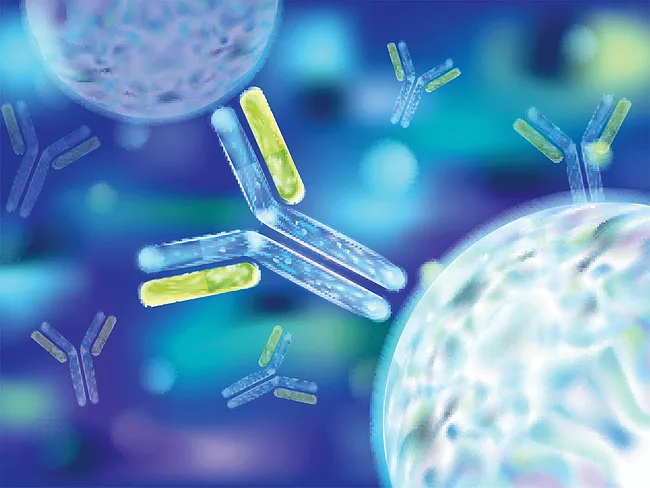
Confo Therapeutics NV has entered into a research collaboration with Abcellera Biologics Inc. for the discovery of therapeutic antibody candidates targeting two undisclosed GPCR targets.
Two new polio vaccine candidates designed to prevent the emergence of vaccine-derived virulent polioviruses have been shown to induce immune responses in mice, raising the possibility of eradicating the virus. For that to happen, the transmission of all poliovirus serotypes must be blocked. However, the vaccine used to control polio prevents disease but does not stop transmission, enabling the virus to mutate and regain virulence.
Iktos SA and Curreio Inc. have established a collaboration agreement using artificial intelligence (AI) for new drug design. Under this collaboration, Iktos will leverage its de novo generative design technology in combination with Curreio’s cryo-electron microscopy (EM) platform to facilitate the rapid design of novel preclinical drug candidates for an undisclosed target.
Despite the title of the Sunday, June 4 lead-off presentation at the American Society of Clinical Oncology (ASCO) meeting in Chicago, there was little room left for doubt about the increasingly important place of artificial intelligence (AI) in drug development. The program, Artificial Intelligence for Drug Development: Fad or Future, ultimately pointed to a positive future, with the only faddish part being discarded approaches that no longer work.