Benchsci (Scinapsis Analytics Inc.), has announced a CAD$95 million (US$70 million) series D funding round. The funds will be used to expand the company’s artificial intelligence (AI) drug discovery platform, Ascend by Benchsci, which enables scientists to discover biological connections, reduce trial and error experimentation, and uncover risks early.
The most ambitious objective of any treatment is to eradicate the disease, acting on its origin to cure it instead of treating its symptoms. This is the purpose of the gene therapy against type 2 diabetes (T2D) and obesity that Fractyl Health Inc. is developing. Scientists from the Lexington, Mass.-based company have designed a strategy based on glucagon-like peptide-1 (GLP-1) to transform pancreatic cells and reverse the disease.
One way to prevent the effect of a molecule is to use the cell’s own machinery to break it down. This is what the PROTAC technology does, an acronym for proteolysis targeting chimera, or BacPROTAC, when applied to bacteria. A study led by Austrian and German scientists has demonstrated the effectiveness of this technique in eliminating the tuberculosis pathogen Mycobacterium tuberculosis (Mtb). The finding opens the door to the BacPROTAC strategy as an alternative to the development of drugs against this microorganism.
Integrated Biosciences Inc., an early-stage startup that is combining synthetic biology and machine learning in the hunt for drugs that tackle cell senescence, has demonstrated its capabilities in a newly published study in Nature Aging on May 4, 2023, which employed artificial intelligence (AI) to identify three novel compounds that are highly selective for Bcl-2 and that exhibit favorable medicinal chemistry profiles.
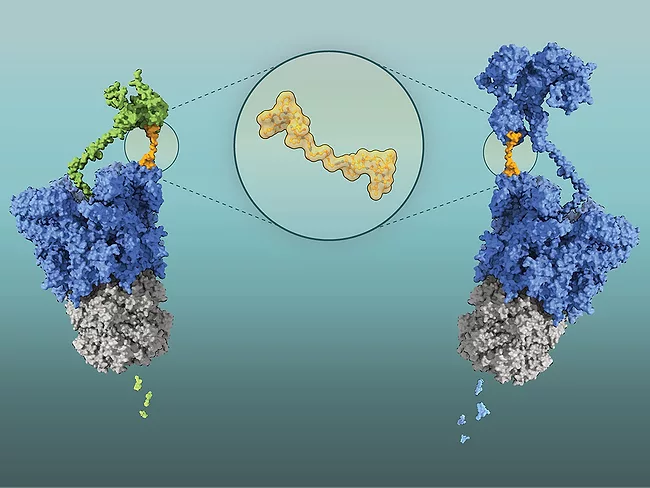
Initial Therapeutics Inc. has launched with a focus on developing medicines that block difficult-to-drug protein targets with a new mode of action – selective termination of protein synthesis (STOPS).
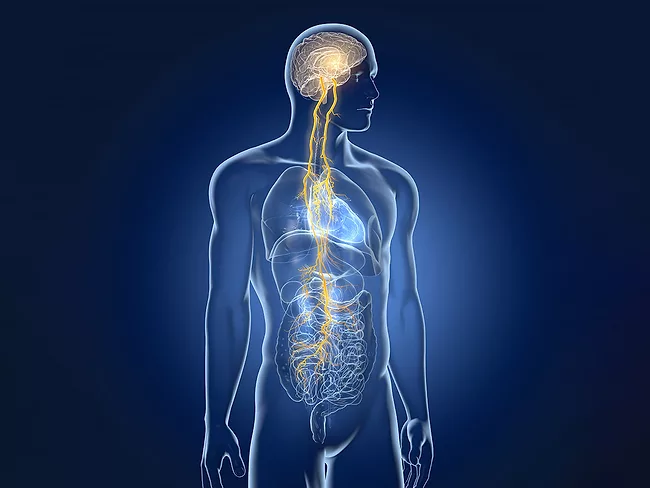
A pill that delivers electrical stimulation to the vagus nerve from inside the stomach was able to trigger the release of appetite-controlling neurohormones, specifically the “hunger hormone” ghrelin. The work, which was described in the April 26, 2023, issue of Science Robotics, could pave the way for treating “metabolic, [gastrointestinal], and neuropsychiatric disorders noninvasively with minimal off-target effects,” the authors wrote in their paper.
 RSS
RSS