A new method, based on gene editing with oligonucleotides and functional analyses, identifies which variants of DNA repair genes associated with Lynch syndrome are truly harmful and which are not. Scientists at The Netherlands Cancer Institute have developed this technique and classified these gene variants in both coding and noncoding regions, distinguishing those that are pathogenic from those that are benign.
Depending on who you ask, AI will take over the world and save it; or ruin it. Certainly, it is changing it. Science magazine dedicated its first editorial of 2026 to AI. Despite its title – “Resisting AI slop“ – editor-in-chief Holden Thorp gave the sort of nuanced review that is typical of him.
Depending on who you ask, AI will take over the world and save it; or ruin it. Certainly, it is changing it. Science magazine dedicated its first editorial of 2026 to AI. Despite its title – “Resisting AI slop“ – editor-in-chief Holden Thorp gave the sort of nuanced review that is typical of him. “Like many tools, AI will allow the scientific community to do more if it picks the right ways to use it,” he wrote. “The community needs to be careful and not be swept up by the hype surrounding every AI product.”
Enodia Therapeutics SAS has raised €20.7 million ($25 million) in seed financing to advance its work developing novel small-molecule therapies for targeted protein degradation at the point of synthesis.
The concept of the 3 Rs – reducing, refining and replacing animal research – has been championed since the 1950s, when William Russel and Rex Burch argued in their book “The Principles of Humane Experimental Technique” that the 3 Rs could simultaneously improve the treatment of research animals and advance the quality of scientific and medical research and testing. Current standard practices of animal research undeniably cause animal suffering at the same time that they have prioritized replicability over translatability.
Depending on who you ask, AI will take over the world and save it; or ruin it. Certainly, it is changing it. Science magazine dedicated its first editorial of 2026 to AI. Despite its title – “Resisting AI slop“ – editor-in-chief Holden Thorp gave the sort of nuanced review that is typical of him. “Like many tools, AI will allow the scientific community to do more if it picks the right ways to use it,” he wrote. “The community needs to be careful and not be swept up by the hype surrounding every AI product.”
The concept of the 3 Rs – reducing, refining and replacing animal research – has been championed since the 1950s, when William Russel and Rex Burch argued in their book “The Principles of Humane Experimental Technique” that the 3 Rs could simultaneously improve the treatment of research animals and advance the quality of scientific and medical research and testing. Current standard practices of animal research undeniably cause animal suffering at the same time that they have prioritized replicability over translatability.
December 2025 was a big month for announcements from Psithera Inc. The Watertown, Mass.-based newco announced its name change from Psivant Therapeutics, having come out from under the Roivant Sciences Ltd. umbrella – thus the dropping of the “-vant” name. The company also announced a $47.5 million series A financing and disclosed that Eric Shaff had started as the company’s new president and CEO.
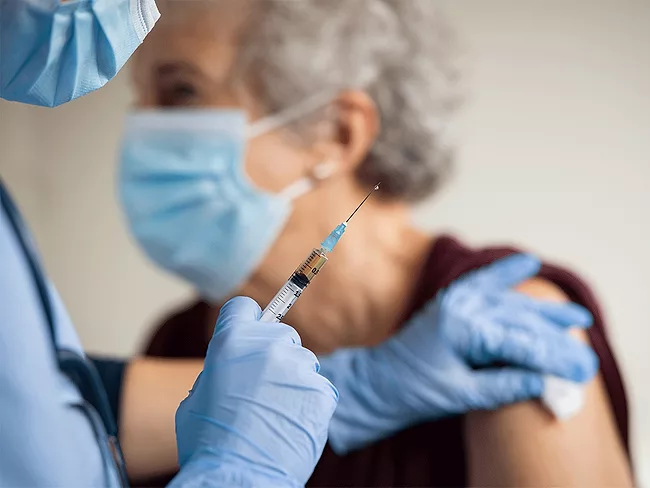
Excessive production of pro-inflammatory cytokines or aging-related chronic inflammation disrupts immunity and diminishes the efficacy of vaccines, although the underlying mechanisms remain unknown. Moreover, these pro-inflammatory cytokines are linked to adverse vaccine reactions. These two issues can lead to vaccine hesitancy, resulting in lower vaccination rates.
Insilico Medicine Cayman Topco has announced a multiyear research and development collaboration with Laboratoires Servier SAS focused on identifying and developing novel therapeutics for challenging targets in oncology by leveraging Insilico’s proprietary AI platform, Pharma.AI.
 RSS
RSS