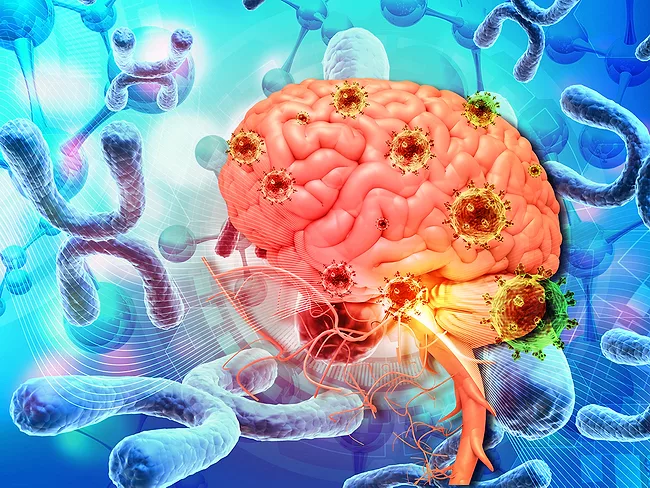
If one could sweep the brain clean and send the toxic substances that drive neurodegeneration to the recycling bin, perhaps one could treat Alzheimer’s disease (AD). Researchers at the Chinese Academy of Sciences propose a new therapeutic strategy that uses synthetic peptides that bind to amyloid-β (Aβ) and direct it toward lysosomes. In addition, researchers at the Washington University School of Medicine in St. Louis have genetically modified astrocytes in vivo to express chimeric antigen receptors (CARs) that recognize and phagocytose Aβ plaques.
The K-health MIRAE Initiative, also known as Korean ARPA-H, announced plans to allocate about ₩162 billion (US$110 million) in nine new projects over the next five years, with a focus on strengthening national health security.
The effects of aging pose an additional challenge for people with HIV due to the neurological and psychological consequences that persist despite antiretroviral therapy. At the Conference on Retroviruses and Opportunistic Infections (CROI) held Feb. 22-25, 2026, in Denver, the scientific community examined how the virus affects the brain, how the reservoir is established in the CNS, and which genetic, immunological or treatment-related factors influence cognitive health.
Antiretroviral therapies against HIV have been in use for more than 30 years and have enabled people living with HIV to maintain undetectable viral levels. Many of them are aging in good health. However, others present symptoms of cognitive decline. HIV can reach the brain and establish a reservoir there. Yet, it is still unknown what this reservoir is like, which cells are affected, and which comorbidities are typical of aging or are associated with the virus.
Innovacell Inc. launched a ¥14.16 billion (US$91.2 million) stock sale on the Tokyo Stock Exchange Feb. 24, ending a near two-year lull of biotech listings in Japan while signaling a dynamic year ahead for cell-based therapeutics.
Japan is backing conditional approvals of Amchepry (raguneprocel, Sumitomo Pharma Co. Ltd./Racthera Co. Ltd.) and Reheart (Cuorips Inc.), positioning them to become the world’s first induced pluripotent stem cell-derived (iPSC) therapies to receive regulatory clearance.
Japan is backing conditional approvals of Amchepry (raguneprocel, Sumitomo Pharma Co. Ltd./Racthera Co. Ltd.) and Reheart (Cuorips Inc.), positioning them to become the world’s first induced pluripotent stem cell-derived (iPSC) therapies to receive regulatory clearance.
Building on the foundation laid in 2020, researchers at the University of California, San Francisco (UCSF) have now shown that targeting the GPI-anchored vascular enzyme TNAP can reproduce the cognitive benefits previously attributed to the liver-derived exercise factor GLPD1.
Med-tech companies with an AI component in their solutions will certainly find investors willing to back them. AI after all, is being used to develop more effective, smarter technologies. However, investors will only deploy capital into innovations that address genuine clinical needs. The aging population is driving interest in devices targeting cardiovascular and musculoskeletal disorders, and other solutions geared toward neurological conditions, women’s health and diagnostics are also attracting investor attention.
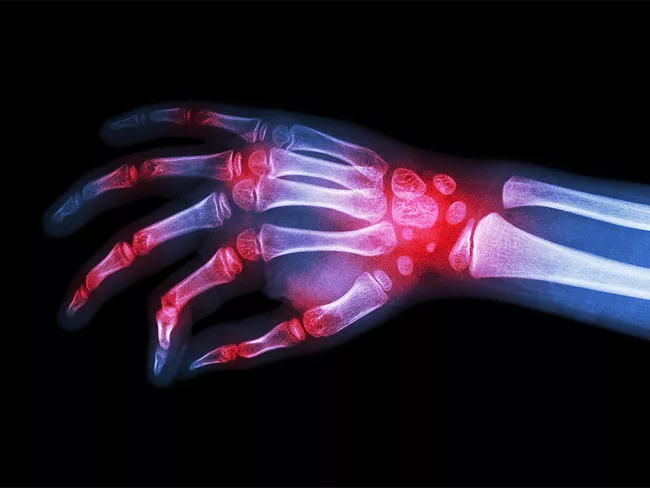
In the inflamed joints of rheumatoid arthritis, CD4+ T lymphocytes accumulate lipid droplets that make them vulnerable and promote their death, thereby amplifying joint inflammation. A study led by scientists at Mayo Clinic and Stanford University suggests that blocking the formation of these lipid droplets or their contents could offer a therapeutic strategy for this condition.
 RSS
RSS