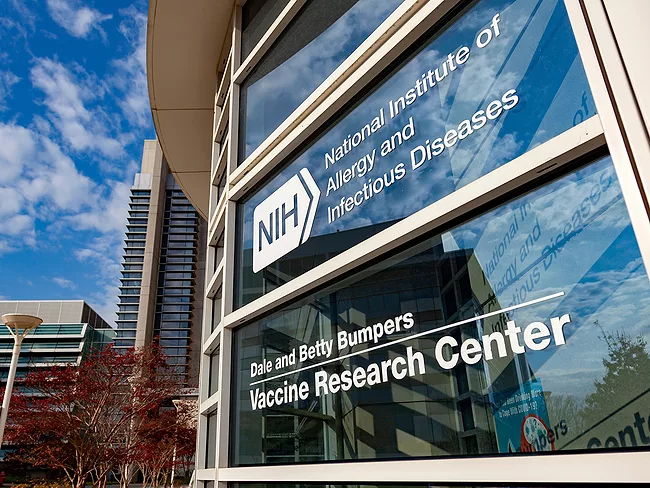
Claiming that they’re suffering the consequences of a March 27 directive ordering a mass reduction in force and reorganization throughout the U.S. Department of Health and Human Services (HHS), 19 states and the District of Columbia took their grievances to court.
April data and first quarter earnings reports show remarkable resilience in med tech, even as other sectors continue to suffer in response to tariffs and changing regulations. Not that tariffs proved insignificant: several companies reported annualized impacts north of half a billion dollars, but fundamentals and increased interest in med tech as a haven gave most players sufficient breathing room to absorb the impact with minimal adjustments.
Echoing President Donald Trump’s justification for reciprocal tariffs, the U.S. Trade Representative’s annual Special 301 Report is a bit more aggressive in tone this year as it calls out trading partners that don't adequately enforce intellectual property rights or that otherwise discriminate against products from foreign companies.
Sen. Amy Klobuchar (D-Minn.) spoke to an industry meeting in Washington and expressed concerns about the situation at the U.S. FDA, but she also blasted the tariffs put in place by the Trump administration as lacking the proper statutory authority.
In a paradigm shift from private-sector partners, the U.S. Department of Health and Human Services (HHS) and the NIH announced May 1 the development of Generation Gold Standard, a next-generation, universal vaccine platform that uses a beta-propiolactone-inactivated, whole-virus to target pandemic-prone viruses.
“We are prepared for every scenario, even though we don’t know what some of those are.” That sums up the message from executives of Astrazeneca plc, GSK plc and Sanofi SA, when quizzed during presentations of their first-quarter 2025 results this week, about the fallout if pharmaceuticals they import to the U.S. are subject to tariffs.
The Trump administration’s broad slash to university research budgets raises pertinent questions over impacts to the biopharma ecosystem, specifically how a changed trajectory of early research programs will affect tomorrow’s treatments and cures. Who is going to bridge research from idea to company if grants from the U.S. NIH are no longer an option?
If the April 30 hearing on biomedical research before the U.S. Senate Appropriations Committee is any indication, the Trump administration could face a big challenge if it tries to cut more than 40% of the NIH’s budget in fiscal 2026 as proposed and slap a 15% cap on indirect costs.
The Trump administration’s tariff activities provoked another set of responses from both Medtech Europe and the Advanced Medical Technology Association.
Tightening of U.S. regulation and capital is leading Chinese biotechs to alternative and new models of financing, ranging from cross-border licensing deals, M&As, the so-called newco model and overseas listings.
 RSS
RSS