Research in rhesus monkeys has shown a gene therapy that enhanced activity in dopamine producing neurons in the brain was effective at stopping excessive alcohol consumption in previously addicted animals.
Scientists have discovered that a small chemokine protein released by activated platelets, platelet factor 4 (PF 4), reduced neuroinflammation, and improved cognition in aged mice. The study was published on Aug. 16 in the online edition of Nature.
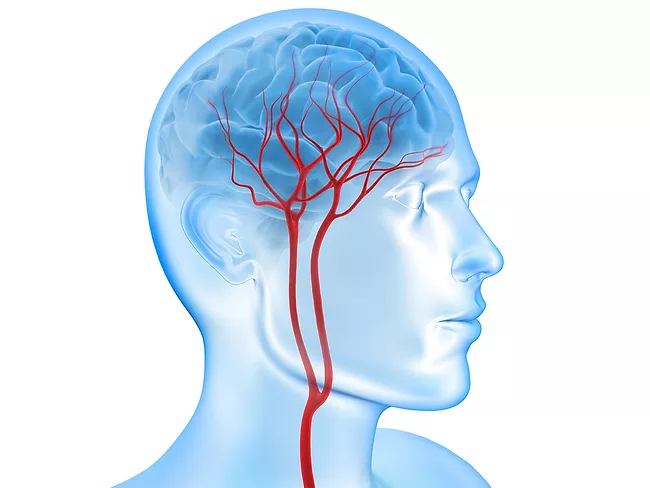
In brain research, be it basic or clinical, neurons have long hogged the limelight. But at the 2023 European Meeting on Glial Cells in Health and Disease, neurons take a back seat to glia – cell types that have often been described as support cells and treated as an afterthought, but that play critical roles in all aspects of brain function, including information processing.
At the 2023 Annual Congress of the European Academy of Neurology, Mary Reilly described the relationship between bench and bedside as “a continuous circle of translation,” with each cycle beginning with patients and their needs.
Artificial intelligence (AI) continues to entice. On the exhibition floor at the 2023 Congress of the European Academy of Neurology, one company’s booth featured “Mindart” technology. A passersby could answer a short series of prompts, and get a unique image based on the input made by generative AI. Entertainment aside, medically speaking, AI applications “are still research,” Riccardo Soffietti told his audience at one of several sessions devoted to AI. “But obviously, research is the future.”
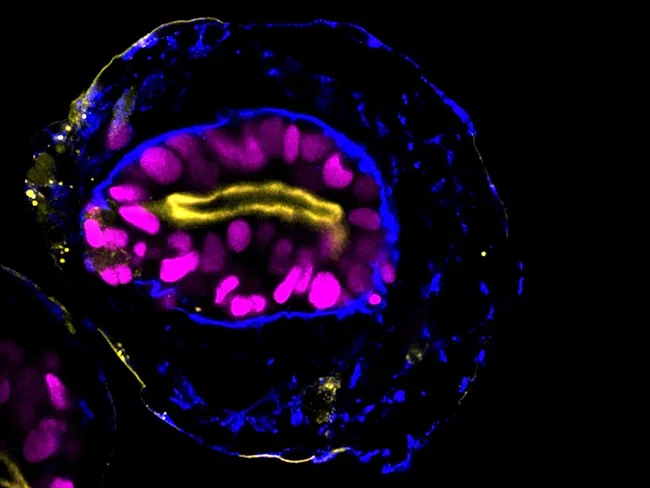
The development of an embryo in its early stages involves a series of processes in which cells interact and organize to form tissues. In humans, these stages are studied with animal models, stem cells and cell aggregates that mimic natural development phases, or with human embryos, depending on their availability and a strict protocol. Now, in back-to-back papers published online in Nature, scientists from Yale University and the University of Cambridge have two new embryonic models formed from human stem cells to study development after embryo implantation in the uterus.
Back-to-back papers in the June 22, 2023, issue of Nature have identified separate molecular mechanisms underlying sex-specific cancer outcomes. Researchers from The University of Texas MD Anderson Cancer Center showed that increased expression of the epigenetic enzyme KDM5D, which is located on the Y chromosome, contributed to cancer progression in KRAS-mutated tumors. In the same issue of Nature, a team from Cedars-Sinai reported new insights into the consequences of losing the entire Y chromosome.
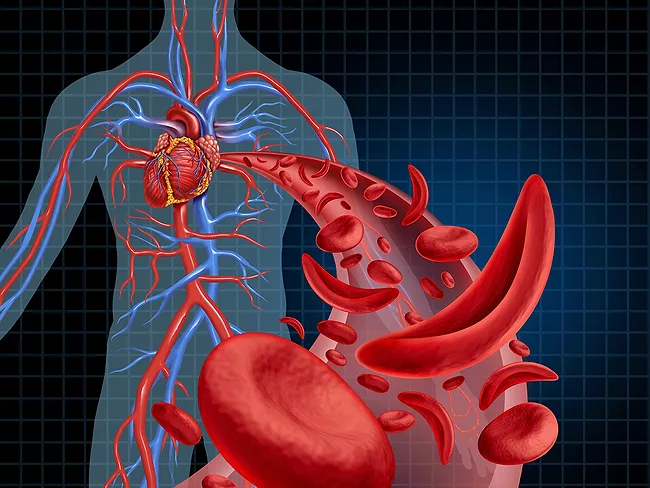
Barring truly major surprises, exagamglogene autotemcel (Exa-cel, Vertex Pharmaceuticals Inc.) is on track to become the first approved CRISPR-based gene editing therapy. It is partly in expectation of Exa-cel’s approval that the European Hematology Association (EHA) and the European Society for Bone Marrow Transplantation hosted a session on “transplantation versus gene therapy in sickle cell disease.”
The discovery of DNA was a milestone in the history of science that led to a breakthrough in biomedical research. By associating disease and genetics, genome correction techniques were ultimately developed that are supposed to work in the same way that antibiotics and antivirals block pathogenic microorganisms: by directly attacking the causes of disease.
The most ambitious objective of any treatment is to eradicate the disease, acting on its origin to cure it instead of treating its symptoms. This is the purpose of the gene therapy against type 2 diabetes (T2D) and obesity that Fractyl Health Inc. is developing. Scientists from the Lexington, Mass.-based company have designed a strategy based on glucagon-like peptide-1 (GLP-1) to transform pancreatic cells and reverse the disease.
 RSS
RSS