Bavarian Nordic A/S will continue operating as an independent public company after an offer to be acquired by two private equity firms failed to win sufficient shareholder approval.
San Francisco Bay Area researchers from UC Berkeley, UC San Francisco and Stanford University have combined their technologies to create Azalea Therapeutics Inc., a company focused on editing cells in vivo.
With strong phase II data in hand from its trial testing EVO-756 in chronic inducible urticaria (CIndU) – hives triggered by a specific cause – Evommune Inc. priced its IPO of about 9.3 million shares at $16 each, granting underwriters a 30-day option to buy as many as about 1.4 million more. Proceeds are expected to total $150 million, and shares of the firm (NYSE:EVMN) came out of the gate strong, closing Nov. 6 at $20.23, up 26%.
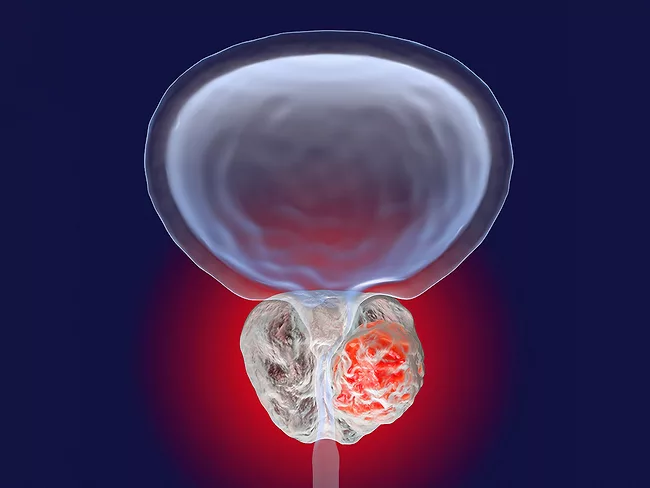
Aussie radiopharma company Advancell Co. Ltd. unveiled promising early clinical data that could redefine how advanced prostate cancer is treated by targeted alpha therapies in the radiopharmaceutical space.
Eli Lilly and Co.’s amylin receptor agonist, eloralintide, showed impressive weight loss and improved tolerability in phase II results reported at ObesityWeek 2025, setting the stage for a phase III trial to start next month. The once-weekly drug demonstrated superior mean weight reductions from 9.5% to 20.1% vs. only 0.4% for placebo over 48 weeks, with all treatment arms meeting the primary endpoint, mean percent change in body weight from the average baseline of 240.5 lbs. (109.1 kg).
Hailing it as a win-win and a historic step forward in fighting chronic disease, the Trump administration announced pricing agreements Nov. 6 with Eli Lilly and Co. and Novo Nordisk A/S that will expand the availability of the companies’ weight loss drugs by cutting prices and, for the first time, providing coverage for the drugs in obesity through Medicare and Medicaid.
Despite the formidable challenges for developing precision psychiatry, the approach is notching its first successes in the preclinical and even some clinical settings. Many individual studies as well as large projects like the Psychiatric Ratings using Intermediate Markers studies and the Psychiatric Biomarkers Network have been looking at multiple biomarker types, and have begun to identify predictors of specific symptoms, or disease progression.
Regulatory snapshots, including global drug submissions and approvals, and other regulatory decisions and designations: Cervomed, Chiesi, Endeavor, Meitheal, Protalix, Relmada, UCB.
Biopharma happenings, including deals and partnerships, and other news in brief: Amacathera, Boehringer Ingelheim, CDR-Life, Dr. Falk, Evoke, Lakeshore, Merck, Metsera, Novavax, Novo Nordisk, Oceanpine, QOL, Pacira, Pfizer, Sanofi.

 RSS
RSS