Regulatory snapshots, including global submissions and approvals, clinical trial approvals and other regulatory decisions and designations: 4D Molecular Therapeutics, Bayer, Hyperfine, Inmode, Osprey Medical, Quidel, RapidAI, Spectronrx.
The U.S. FDA has granted emergency use authorizations (EUAs) to Baxter International Inc. for its HF20 Set and ST Set used in continuous renal replacement therapy (CRRT) during the COVID-19 pandemic. The two sets are intended for use with the company’s Prismaflex or Prismax CRRT monitors.
Regulatory snapshots, including global submissions and approvals, clinical trial approvals and other regulatory decisions and designations: Baxter, Lantheus.
The latest global regulatory news, changes and updates affecting medical devices and technologies, including: American Medical Association, Bayer AG, Snomed International.
“There’s a difference in knowing something and realizing something. We’ve known for quite a while now that we’re too dependent on other countries for our medical supplies. But during this pandemic, I think we’ve realized it,” U.S. Rep. Buddy Carter (R-Ga.) said at a recent congressional hearing on the progress being made in developing COVID-19 vaccines.
The latest global regulatory news, changes and updates affecting medical devices and technologies, including: Allergan, BTL Industries, Spartan Bioscience, Zimmer Medizinsysteme.
Regulatory snapshots, including global submissions and approvals, clinical trial approvals and other regulatory decisions and designations: Boston Scientific, Life Spine, Magventure, United Imaging.
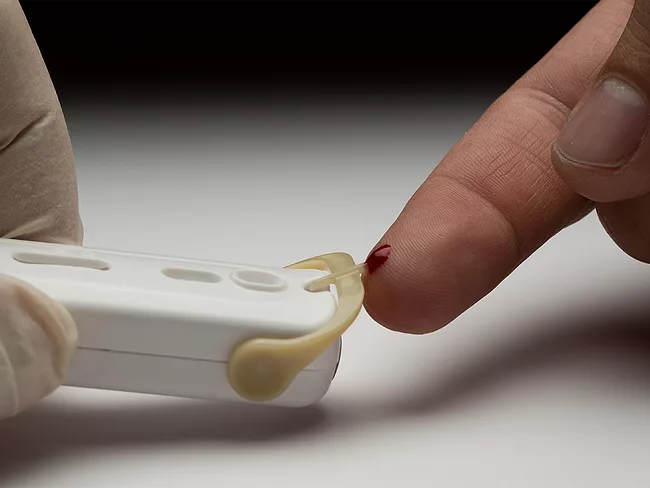
PERTH, Australia – As the state of Victoria in Australia records its deadliest day since the COVID-19 pandemic began, reporting 17 deaths and 394 new cases, Atomo Diagnostics Ltd.’s new COVID-19 antibody test could ease pressure on health care systems.
The annual publication of the draft Medicare physician fee schedule (MPFS) is an event, but this year’s draft has drawn substantial criticism from across the board, despite the promise of more coverage of telehealth. The Medical Imaging & Technology Association (MITA) and a coalition of surgeons have blasted the draft as a hazard to patient access to both evaluation and management (E/M) services and surgical procedures, both of which present substantial headwinds for the medical device industry.

 RSS
RSS