Two decades after the federal government jumpstarted U.S. R&D investment in its understanding and control of nanoscale matter, funding for the efforts across the government reached about $1.4 billion in fiscal 2020, part of a total cumulative investment of about $29 billion. Though FDA-budgeted nanotech research has accounted for just a fraction of that, at a modest $133 million since 2009, substantial advances have still been made, according to a presentation on the state of nanotech progress and innovation issued this summer.
Investigators have developed a new approach to classifying neurodegenerative disorders that used the overall patterns of protein aggregation, rather than specific proteins, to define six clusters of patients that crossed traditional diagnostic categories.
The matter of how adhesion of its Viaskin Peanut allergy patch relates to efficacy became a major problem for DBV Technologies SA, which drew a complete response letter (CRL) for the once-daily epicutaneous (EPIT) product. Shares of the Montrouge, France-based firm (NASDAQ:DBVT) closed Aug. 4 at $2.34, down $1.76, or 43%, in reaction to the CRL for the patch, designed to protect children ages 4 to 11. The FDA wants DBV to modify the patch, which means a new human-factor study; officials also are requiring clinical data for the modified patch.
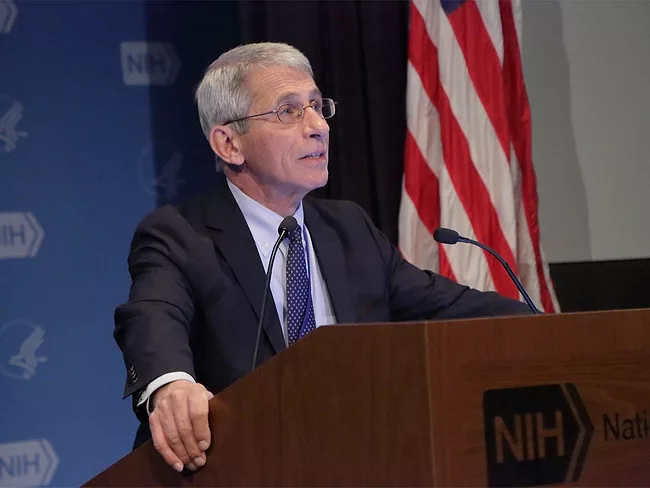
The issue of the U.S. federal government’s response to the COVID-19 pandemic was revisited yet again in a hearing in the House of Representatives. While partisanship was on full display, Anthony Fauci, director of the National Institute of Allergy and Infectious Diseases, said he is “cautiously optimistic” about the prospects for a vaccine and that the development of candidates has not compromised scientific principles.
In a time when the FDA needs its best and brightest people onboard, nearly half the senior leadership at the agency will be eligible for retirement by Sept. 30.
The U.S. Senate Finance Committee held the first of its two hearings on the supply chains for a variety of products vital to the response to the COVID-19 pandemic. While electoral politics were on full display during the hearing, a recurrent theme was the need to bring supply chains back to the Western Hemisphere as a solution to the fraudulent products shipped to the U.S. from Hong Kong and China.
CYBERSPACE – Data presented at the virtual 2020 Alzheimer's Association International Conference (AAIC) and reported in the July 28, 2020, online issue of the Journal of the American Medical Association (JAMA) demonstrated that blood levels of phosphorylated tau-217 (Ptau-217) did as well as cerebrospinal (CSF)- and PET-based biomarkers, and significantly better than other blood-based biomarkers, at discriminating individuals with Alzheimer’s disease (AD) from those with other neurodegenerative disorders.
With no new cases reported for more than 100 days, Taiwan appears to have successfully contained the spread of COVID-19 and has drawn attention to its medical achievements. Experts said at BIO Asia-Taiwan conference this week that with continuous government and investor support, the East Asian nation could move further up to join other leading biotech players.
The U.S. government has charged two citizens of China with cybercrime in connection with purported hacking of research into vaccines for the SARS-CoV-2 virus, but more than one speaker on a July 22 webinar said scientists involved in basic life science research at universities fail to appreciate the need for cybersecurity, a problem they may take with them to the private sector.
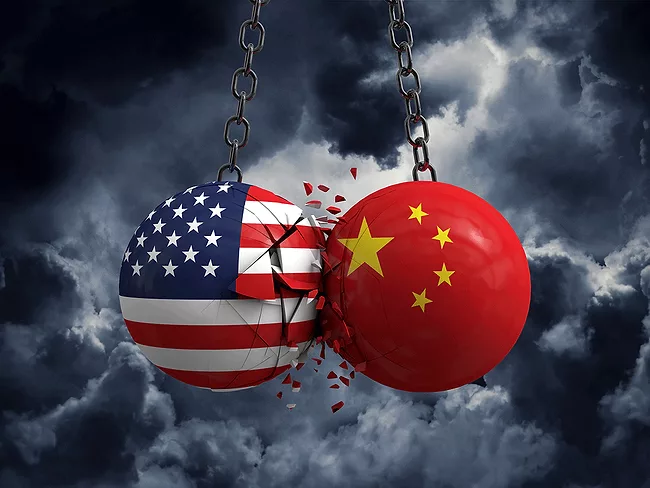
The alleged activities of two Chinese hackers outlined in a federal indictment unsealed Tuesday offer “concrete examples of two concerning trends,” U.S. Assistant Attorney General John Demers said, as U.S.-China relations further soured with the news of the charges.
 RSS
RSS