A new draft guidance for organ procurement organizations doing business in the U.S. would seem to tackle some pressing issues with organ donation, such as the conditions in which a problem qualifies as an adverse event. Perhaps of greater interest to companies in the organ container business is that the Centers for Medicare & Medicaid Services is intent on increasing the availability of organ donations to deal with an insatiable demand for donated organs.
Total med-tech financing activity surged in the fourth quarter of 2025, with $16.21 billion raised across all financing categories, more than double the $5.78 billion recorded in Q3 and the strongest quarterly total of the year.
Australian respiratory imaging technology company 4dmedical Ltd. raised AU$150 million (US$105 million) in an institutional placement to accelerate U.S. adoption of its CT:VQ lung imaging software to bolster the company’s lead in software-based lung imaging.
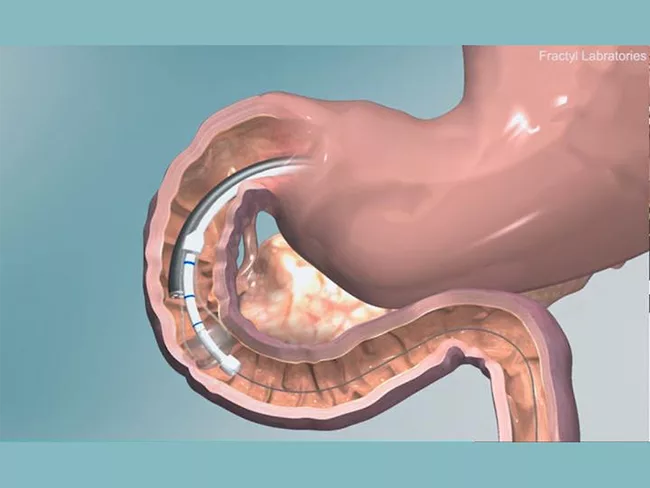
Six-month results from the REMAIN-1 trial showed that Fractyl Health Inc.’s Revita procedure cut post-GLP-1 weight regain by about 70% compared with a sham procedure in patients who discontinued incretin-based drugs such as semaglutide and tirzepatide after achieving substantial weight loss.
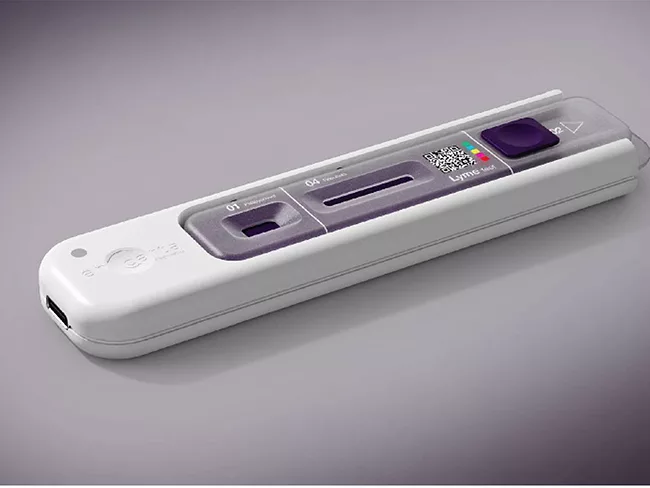
En Carta Diagnostics SA's EC Pocket Lyme received FDA breakthrough device designation for its rapid, molecular diagnostic test for the early detection of Borrelia bacteria, which causes Lyme disease. The designation marks a pivotal step for the French startup as it will enable closer interaction with the agency, accelerating its route to market, and getting it to patients sooner.
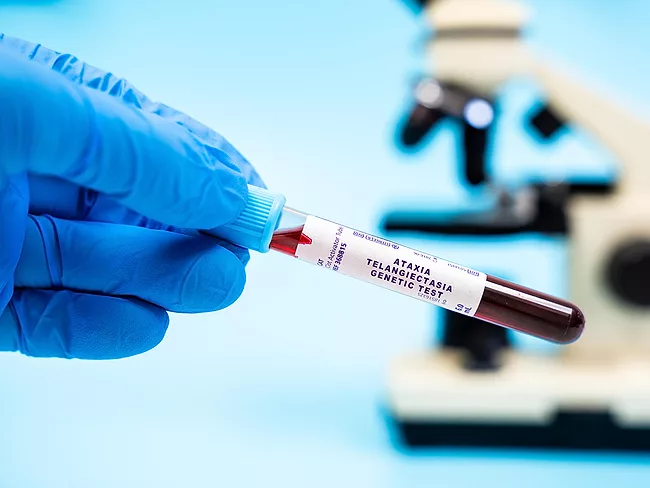
A Jan. 28 report on Medicare spending on lab tests indicated that spending on many types of tests flattened between 2022 and 2024, but spending on genetic tests rose 20% between 2023 and 2024 to $3.6 billion. While the report does not specifically call out fraud as a driver of spending, the U.S. Department of Justice posted a Jan. 26 press release identifying a case of Medicare gene testing fraud that amounted to $52 million, just one of several recent examples of this kind of fraud.
In a lawsuit that’s been bouncing through the courts for years, the U.S. Court of Appeals for the District of Columbia once again cleared the way for several biopharma and medical device companies to potentially be held liable, under the Anti-Terrorism Act, for terrorist attacks against hundreds of Americans in Iraq.
The U.S. Department of Justice said recoveries under the False Claims Act in fiscal year 2025 reached a record of more than $6.8 billion, more than 80% of which came from health care cases.
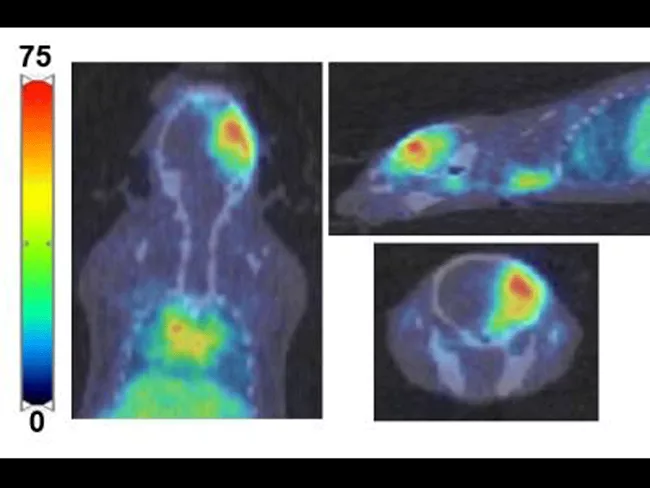
Radiopharm Theranostics Ltd.’s radiotracer RAD-101 met the primary endpoint in 92% of patients in the phase IIb imaging trial in brain metastases, according to interim results. To date, 11 of the 12 patients treated with RAD-101 (F18-Pivalate) achieved concordance with MRI (the primary endpoint) as assessed by PET imaging of brain metastases. The results showed significant and selective tumor uptake, and images confirm metabolic activity in brain metastases compared to equivocal MRI findings.
“If at first you don’t succeed, try, try again” seems to be the motto of U.S. lawmakers – at least when it comes to the bipartisan Biosecure Act. After missing a ride last year in the must-pass annual defense spending bill, a version of the bill that seeks to protect the genetic data of Americans while securing U.S. pharmaceutical supply chains made it into the 2026 National Defense Authorization Act, which is now just a Senate vote away from becoming law.
 RSS
RSS