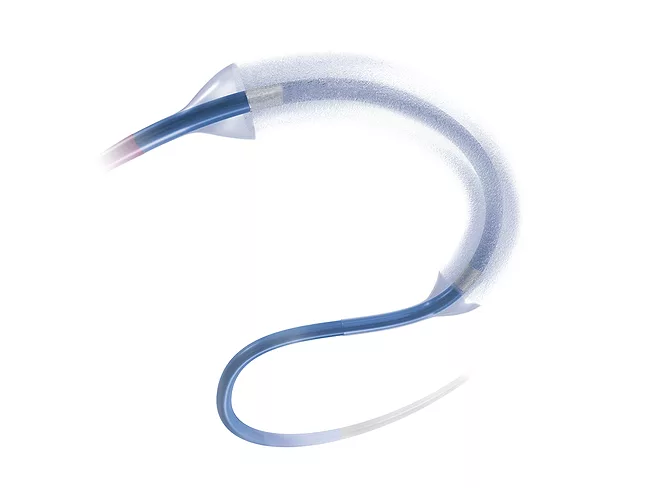
Boston Scientific Corp. has scooped up an approval from the U.S. FDA for the Ranger drug-coated balloon to help those with peripheral artery disease in the superficial femoral artery and proximal popliteal artery.
Perkinelmer Inc. is looking to bolster its life sciences offerings with the purchase of cell engineering company Horizon Discovery Group plc for $383 million. The all-cash acquisition will add gene-editing and gene-modulation tools to Perkinelmer’s existing portfolio of discovery and applied genomics solutions. Headquartered in Cambridge, U.K., Horizon provides CRISPR and RNA interference (RNAi) reagents, cell models, cell engineering and based editing products to aid in drug discovery and development.
Patient perspectives on medical device development are becoming much more central to the U.S. FDA’s regulation of devices, thus the August 2020 draft guidance for selection of patient-reported outcome (PRO) instruments for device evaluation. However, the draft is sufficiently vague on the question of when an existing PRO can be tweaked without an entirely new validation study to prompt the Advanced Medical Technology Association (Advamed) to press the agency for more clarity on that point.
The latest global regulatory news, changes and updates affecting medical devices and technologies, including: HHS announces testing agreements; TGA slaps two companies for violations.
Regulatory snapshots, including global submissions and approvals, clinical trial approvals and other regulatory decisions and designations: Boston Scientific, Brighter.
Med-tech happenings, including deals and partnerships, grants, preclinical data and other news in brief: 1health.io, Aseptiscope, Becton, Dickinson and Co., Butterfield Engineering, Certtech, China Grand Pharmaceutical and Healthcare Holdings, Dante Labs, Drawbridge Health, Exagen, Fluidigm, Healthcare Merger Corp., Heraeus Medical Components, Hologic, Hygea, Implantica, Lidco, Masimo, Mimedx, Parexel, Polarityte, Poseida Therapeutics, Pulse Systems, Soc Telemed, Synexa Life Sciences, Telix Pharmaceuticals.
Keeping you up to date on recent developments in cardiology, including: Mobile smartphone tech tied to better clinical outcomes for OHCA; Lung scans for earlier COVID-19 detection; Cholesterol meds affects the organs differently.
Under the right circumstances, a single mouse can be as good as a group of eight or 10 animals in predicting whether a tumor will respond to a drug, researchers reported at the 2020 EORTC-NCI-AACR (ENA) Molecular Targets meeting on Saturday. The single-animal approach “allows incorporation of more tumor models within the same resource constraints,” Peter Houghton told reporters at a press conference previewing ENA highlights.
 RSS
RSS