Keeping you up to date on recent developments in diagnostics, including: Improving sensitivity of COVID-19 tests; Deep learning algorithm helps triage suspected COVID-19 cases; Cancer image analysis tool incorporates HER2 biomarker assay.
The U.S. FDA will no longer review lab-developed tests (LDTs) for the SARS-CoV-2 virus under the emergency use authorization (EUA) program, a change that will eliminate any prospect of immunity from liability for these tests. The FDA’s Tim Stenzel, director of the Office of In Vitro Diagnostics and Radiological Health, announced the news on the weekly COVID-19 testing town hall, but the change was simultaneously unveiled in the FDA’s Q&A for testing.
Biosense Webster Inc. reported U.S. FDA approval of its Thermocool Smarttouch SF ablation catheter for the treatment of patients with persistent atrial fibrillation (persistent AF). This follows results of the prospective, multicenter Precept study, which showed the catheter to be safe and effective for 80% of patients over 15 months of ablation therapy with clinically meaningful improvement in quality of life.
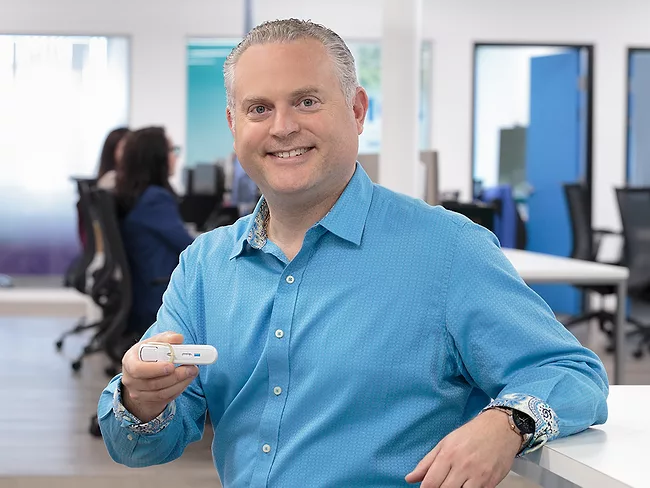
Lumos Diagnostics Holdings Pty. Ltd. scooped up AU$25 million (US$17.9 million) in an oversubscribed pre-IPO ahead of its anticipated 2021 listing on the Australian Securities Exchange (ASX). The funds will be used to expand manufacturing operations in California and Florida and to grow the commercial footprint of Febridx, a rapid point-of-care (POC) test that can determine if a person has a viral or bacterial infection within 10 minutes.
U.S. FDA commissioners must rely on legal counsel for advice on a number of matters, but attorneys who sign on for work at the agency bring with them different views on the limitations of the agency’s powers. This consideration came up during a panel discussion hosted by the Food and Drug Law Institute (FDLI).
The ongoing pandemic brought about several challenges for investors looking for the next big thing, but some areas still have experienced growth. Experts addressed this topic and other issues during a panel discussion Tuesday at the Cleveland Clinic’s 2020 Medical Innovation Summit. Moderator Lydia Ramsey Pflanzer, health care editor, Business Insider, highlighted a bright spot, noting that by the end of the third quarter, digital health startups were doing well, raising $9.4 billion, according to Rock Health.
The COVID-19 pandemic has been a bump in the road for developers of digital surgical systems that include robotics, but the technology is still in demand. That was the message from industry leaders at the Advanced Medical Technology Association’s Virtual Medtech Conference.