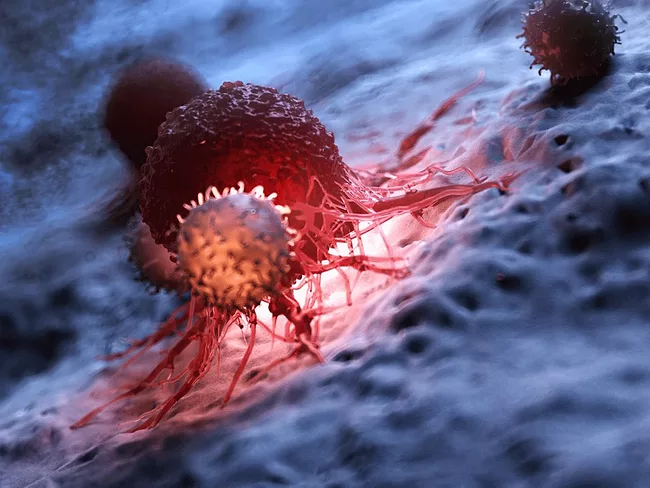
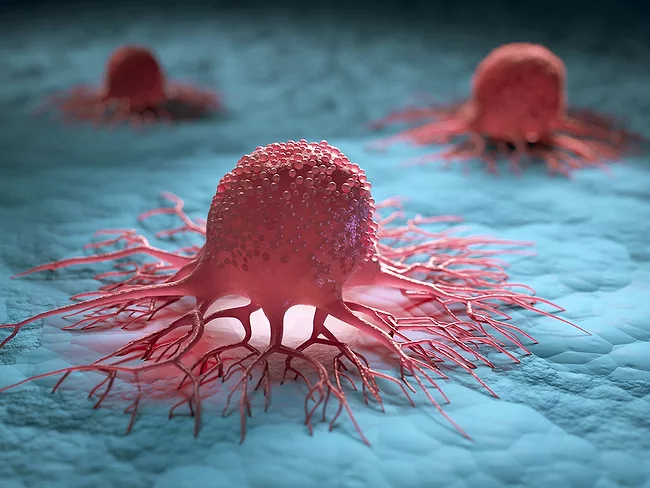
Solid tumors have been a tougher nut to crack for CAR T cells than B-cell cancers, for two main reasons. Solid tumors have an inhibitors microenvironment that has made it difficult to get durable responses. And identifying antigens as specific as the B-cell markers CD19 and CD22 has been challenging, leading to problems with on-target, off-tumor toxicity.
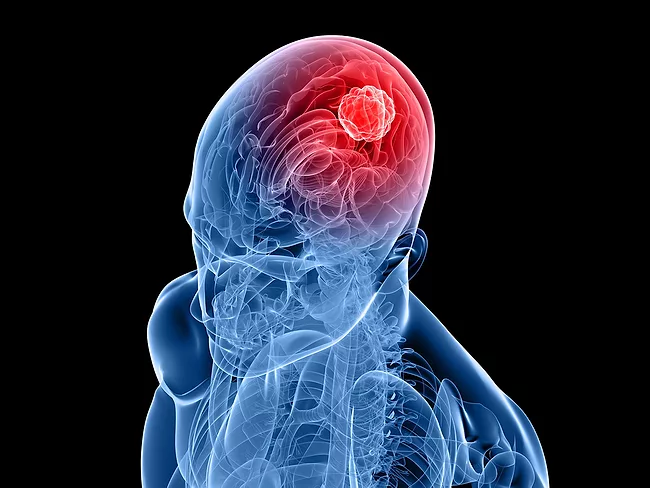
The tumor microenvironment is critical for the ability of cancers to survive and grow, and some aspects of the microenvironment are studied, and targeted, accordingly. Tumor immunology is one of the most active areas of cancer research and has become a pillar of treatment. Others, not so much. “The nervous system is the last component of the microenvironment that people have left completely unrecognized,” Humsa Venkatesh told BioWorld. Even in brain tumors and metastases, where the presence of neurons is glaringly obvious, there has been little attention to how the two interact until recently.
“We’re still a far cry from reproducible, durable benefits” with CAR T cells targeting solid tumors, Crystal Mackall told the audience at the 2022 annual meeting of the American Association for Cancer Research (AACR). But “we’re beginning to see some signals.” Mackall is the founding director of the Stanford Center for Cancer Cell Therapy.
With 11 approved therapeutics in a diversity of targets and indications, antibody-drug conjugates (ADCs) have proved their clinical mettle. But they have not yet reached their full clinical potential, which, in the opinion of Astrazeneca plc’s Kenneth Thress, could transform patient care. The strength of ADCs, he told the audience at an educational session at the 2022 annual meeting of the American Association for Cancer Research (AACR 2022), is that it can turn anything into a targeted therapy.
Investigators at Weill Cornell Medical College have identified propionate metabolism as a contributor to the ability of cancer cells to establish metastases, establishing new basic insights into cancer metastases as well as potential therapeutic targets.
Investigators at Boston Children's Hospital have demonstrated that SARS-CoV-2 infection of blood monocytes and lung macrophages in the lung could kill the cells via pyroptosis, increasing inflammation and leading to severe COVID-19.
Investigators at Boston Children's Hospital have demonstrated that SARS-CoV-2 infection of blood monocytes and lung macrophages in the lung could kill the cells via pyroptosis, increasing inflammation and leading to severe COVID-19.
There is a project management joke that the first 90% of a project takes 90% of the time, whereas the last 10% of the project takes the other 90% of the time.
The mammalian target of rapamycin (mTOR) inhibitor rapamycin extended the lifespan of female but not male flies, through sex-specific effects on the enterocytes that line the gut.
There is a project management joke that the first 90% of a project takes 90% of the time, whereas the last 10% of the project takes the other 90% of the time.