BioWorld looks at translational medicine, including: Premetastatic niche is prepared via leaky gut in colorectal cancer; Brain metastases of breast cancer depend on fatty acid synthesis.
Researchers at Kumamoto University have identified mutations in the proteoglycan Tsukushi as a cause of hydrocephalus. The study, which was published in the March 31, 2021, issue of Science Translational Medicine, adds to the evidence that a significant proportion of hydrocephalus are due to genetic alterations.
The animal world is full of species that can perform astonishing, and sometimes disgusting, feats. Take vultures, for example. “They eat this rotten meat that is full of pathogens and toxins, and they stay healthy,” Neta Raab told BioWorld. Raab is the co-founder and CEO of Wild Biotech Ltd., an Israeli startup that is seeking to understand gut microbiome contributions to these animal superpowers, and harness them for therapeutic use.
Keeping you up to date on recent developments in neurology, including: New discovery improves DBS effects in Parkinson’s; Women accumulate Alzheimer’s-related protein faster; Brain cell alcohol metabolism affects behavior, addiction; Lipopolysaccharides induce neural repair sweet spot.
Eliem Therapeutics Inc. is old-fashioned in the useful ways. The company is going after extremely large indications, including chronic pain and major depression. “We’re really passionate about these large markets,” Eliem President and CEO Bob Azelby told BioWorld. “These patients live in the shadows… There’s so many people suffering.”
The animal world is full of species that can perform astonishing, and sometimes disgusting, feats. Take vultures, for example. “They eat this rotten meat that is full of pathogens and toxins, and they stay healthy,” Neta Raab told BioWorld. Raab is the co-founder and CEO of Wild Biotech Ltd., an Israeli startup that is seeking to understand gut microbiome contributions to these animal superpowers, and harness them for therapeutic use.
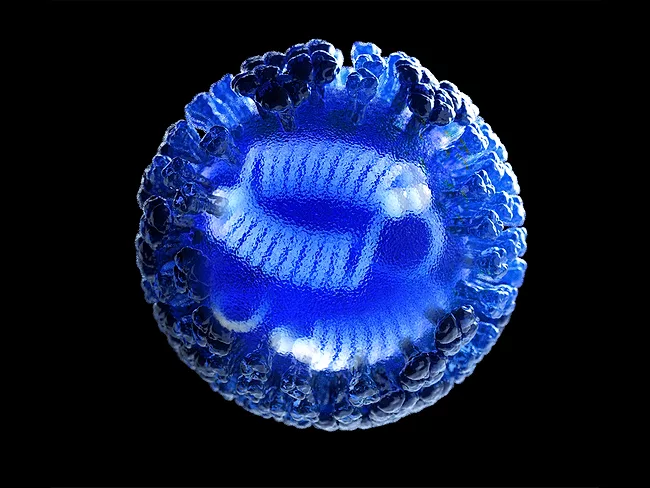
Vaccines now in clinical trials can raise broad-spectrum antibodies against more than one form of hemagglutinin and provide protection against the flu strains that have been most troublesome from a public health perspective.