At the recently opened FENS Forum 2026 in Barcelona - the Federation of European Neuroscience Societies' flagship congress and Europe's largest neuroscience meeting- a symposium on ectodomain shedding showcased how soluble synaptic proteins are emerging as both biomarkers and therapeutic candidates for disorders ranging from autism to schizophrenia.
Researchers at Duke University have demonstrated that retinal endothelial cells (RECs) generated from human pluripotent stem cells can restore retinal vascularization in a preclinical model of ischemic retinal injury.
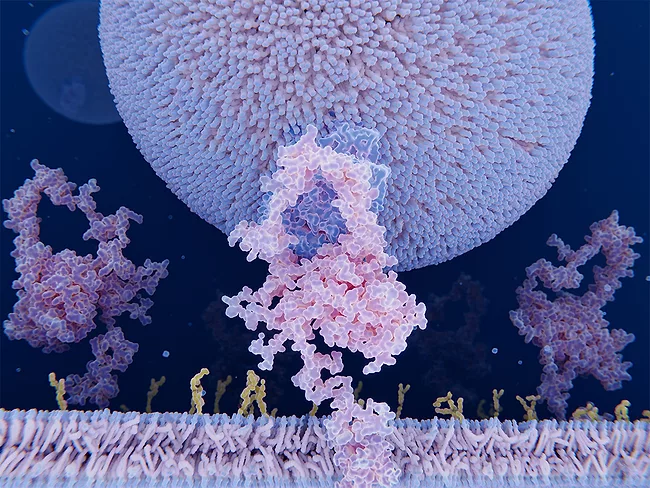
Cholesterol is essential for cell function, but its balance hinges on hepatic LDL receptor (LDLR) abundance, which dictates how efficiently the liver clears circulating lipoproteins. Researchers at the University of California, San Diego (UCSD) identified a Ral-dependent pathway by which elevated cholesterol intake reduces hepatic LDLR availability, pointing to a potential target for lipid-lowering therapies.
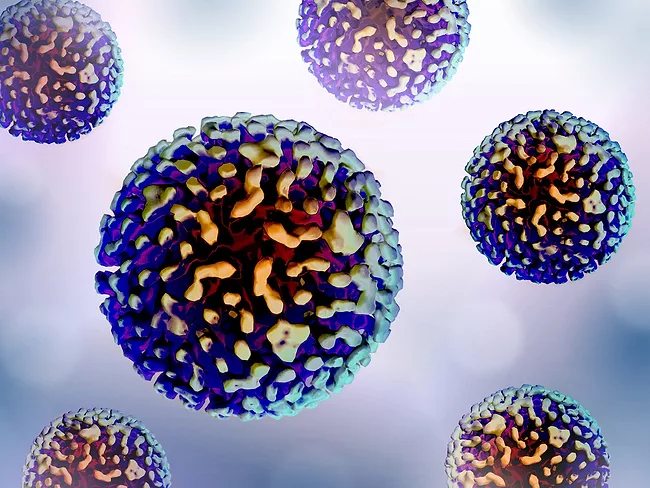
Several presentations at EASL highlight a new generation of therapies coming into view, with the work from Tune Therapeutics Inc. standing out as one of the most relevant for the novelty it represents and the step forward it signals. The company is investigating the use of TUNE-401 as a potential treatment for hepatitis B.
At the recently concluded European Association for the Study of the Liver meeting, presentations underscored how increasingly granular insights into liver pathobiology are driving the rapid identification of new druggable targets across diverse indications.
With a historic WHO resolution adopted this week giving countries, for the first time, a mandate to address liver disease affecting 1.5 billion people worldwide, this momentum is strongly reflected at the ongoing European Association for the Study of the Liver 2026 congress in Barcelona. The mandate positions liver disease alongside cancer, cardiovascular disease and diabetes as a core global health priority.
Researchers at UCLA have shown that divergent neuronal signaling in fragile X mice converges on EPAC2, a druggable target whose inhibition restores circuit activity and alleviates core behavioral impairments.
Researchers at Daping Hospital in China have reported that liver-targeted delivery of the APOE3-Christchurch (APOE3Ch) variant, a rare protective form of apolipoprotein E, can indirectly reduce brain pathology, highlighting the therapeutic potential of peripheral approaches to Alzheimer’s disease.
A major challenge in tissue engineering is not only achieving the correct cellular organization of an engineered tissue, but also expanding it to a clinically useful size after implantation. Researchers from the Wyss Institute at Harvard University have developed a synthetic biology platform that genetically programs tissues to grow large organ implants on demand. Building on a 2017 study suggesting engineered liver tissues could respond to regenerative signals released after injury, the researchers set out to identify and harness those cues.
“If we could figure out what those signals were, we could synthetically drive these factors locally in an implant to control its growth ourselves,” first author Amy Stoddard told BioWorld. Stoddard is a postdoctoral researcher at the Wyss Institute.
Researchers at the University of Edinburgh are pioneering a cancer therapy that destroys tumors from within while reawakening the immune system, using synthetic super-enhancers (SSEs) to drive targeted killing and durable protection against recurrence. The work builds on a decade of research focused on how glioblastoma stem cells (GSCs) sustain their aggressive cancer identity.