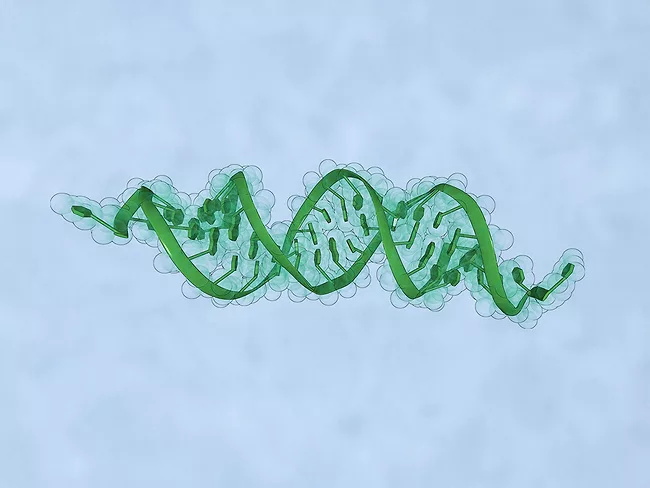
In a deal that could be worth up to $1 billion for Suzhou Siran Biotechnology Co. Ltd. (Siranbio), GSK plc licensed exclusive worldwide rights to the siRNA oligonucleotide SA-030, which has recently entered phase I trials for cardiometabolic disease.
In a deal that could be worth up to $1 billion for Suzhou Siran Biotechnology Co. Ltd. (Siranbio), GSK plc licensed exclusive worldwide rights to the siRNA oligonucleotide SA-030, which has recently entered phase I trials for cardiometabolic disease.
Monte Rosa Therapeutics Inc. followed up December’s positive prostate cancer data with strong interim findings from a phase I study with MRT-8102, a NEK7-directed molecular glue degrader in the works for inflammatory conditions driven by the NLRP3 inflammasome, IL-1, and IL-6.
A preclinical study presented at the 32nd Annual Congress of the European Society of Gene and Cell Therapy (ESGCT), held in Seville Oct. 7-10, showed a new epigenetic editing technology that enables durable gene silencing using ELXRs, short for Epigenetic Long-Term X-Repressors. With this approach, scientists at Scribe Therapeutics Inc. successfully inhibited the expression of the PCSK9 gene, a key regulator of cholesterol metabolism, in human cells, mice and nonhuman primates.
Replicate Bioscience Inc. and Novo Nordisk A/S have entered into a multiyear research collaboration that will leverage Replicate’s novel self-replicating RNA (srRNA) platform to develop new therapeutic candidates to treat obesity, type 2 diabetes and other cardiometabolic diseases.
To strengthen its development efforts, Novo Nordisk A/S will collaborate in a deal that could bring Replicate Bioscience Inc. about $550 million. In return, Novo is getting an exclusive, worldwide license to use Replicate’s self-replicating RNA (srRNA) platform to develop the candidates. The two are aiming at targets in cardiometabolic diseases that include treatments for obesity and type 2 diabetes.
Superluminal Medicines Inc. and Eli Lilly and Co. are collaborating in a deal to develop cardiometabolic disease and obesity therapies by aiming at undisclosed G protein-coupled receptor targets. The deal could bring Superluminal as much as $1.3 billion, including up-front and near-term investments, an equity investment, development and commercial milestones, plus tiered royalties on net sales.
Superluminal Medicines Inc. and Eli Lilly and Co. are collaborating in a deal to develop cardiometabolic disease and obesity therapies by aiming at undisclosed G protein-coupled receptor targets. The deal could bring Superluminal as much as $1.3 billion, including up-front and near-term investments, an equity investment, development and commercial milestones, plus tiered royalties on net sales.
Deep Apple Therapeutics Inc. could bring in as much as $812 million in a new collaboration and license deal with Novo Nordisk A/S. The total includes an unspecified up-front payment, research costs and milestones. The two plan to develop and commercialize oral small molecules for non-incretin G-protein coupled receptor targets for treating cardiometabolic diseases, including obesity, a core specialty for Novo Nordisk.
New Anglo/U.S. obesity and cardiometabolic specialist Verdiva Bio Ltd. has launched with a massive $411 million series A and a portfolio of GLP-1 and amylin agonists in-licensed from China.