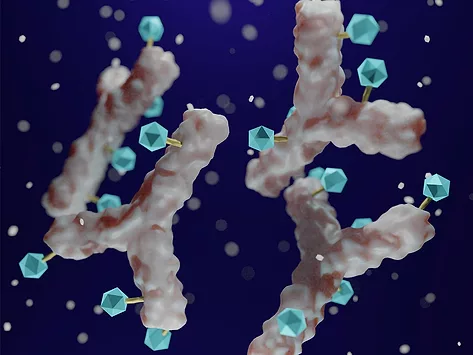
Over the course of the year, and continuing into the latest scientific meetings, an extraordinary breadth of new antibody-drug conjugate (ADC) designs was reported, with innovations spanning targets, linkers, payloads, conjugation chemistries and overall architectures. Once defined by a simple “one target, one payload” model, the field is lately expanding into a more versatile and diverse therapeutic space.
Over the course of the year, and continuing into the latest scientific meetings, an extraordinary breadth of new antibody-drug conjugate (ADC) designs was reported, with innovations spanning targets, linkers, payloads, conjugation chemistries and overall architectures. Once defined by a simple “one target, one payload” model, the field is lately expanding into a more versatile and diverse therapeutic space.
FGFR3 genomic alterations, including S249C as the most common, are recognized oncogenic drivers in 10%-60% of bladder cancers depending on the disease stage. Onco3r Therapeutics BV recently reported the identification of a novel series of highly potent, isoform-selective small-molecule FGFR3 inhibitors.