Despite the U.S. FDA’s approval of Sage Therapeutics Inc.’s priority NDA for postpartum depression, the accompanying complete response letter (CRL) for major depressive disorder has undercut the company’s plans. Withholding the approval for MDD slices away a huge amount of the potential market for Sage and its collaborator, Biogen Inc.
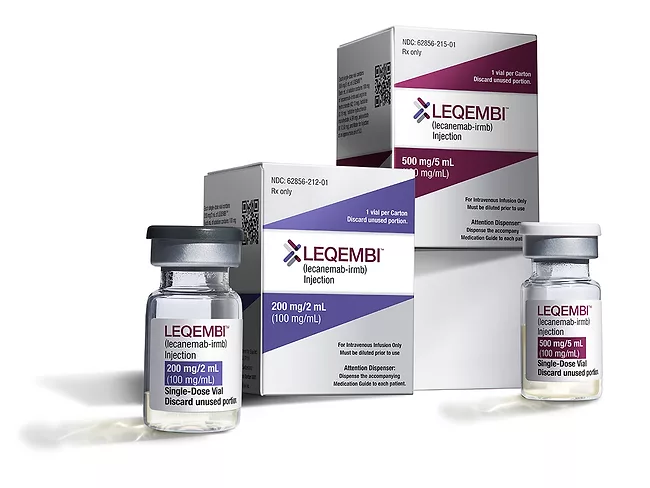
With the launch of intravenous Leqembi (lecanemab-irmb) for Alzheimer’s disease (AD) underway, Priya Singhal, Biogen Inc.’s head of development and interim head of research, said the firm, along with partner Eisai Co. Ltd., aims to “address the long-term duration question” with a subcutaneous version, recently touted at the Alzheimer's Association International Conference.
Questionable efficacy, high priced and risky side effects are some words to describe Leqembi (lecanemab), the latest amyloid beta-targeting antibody approved by the U.S. FDA, Korean experts said, but none of that diminishes the profound significance of the drug for Alzheimer’s disease.
Responding to medical advances and new standards of care in Alzheimer’s, the U.S. Centers for Medicare & Medicaid Services (CMS) is proposing to end its 10-year-old coverage with evidence development policy that has limited Medicare reimbursement of amyloid PET scans to once in a lifetime for beneficiaries – and then only when they’re used in a CMS-approved trial.
Questionable efficacy, high priced and risky side effects are some words to describe Leqembi (lecanemab), the latest amyloid beta-targeting antibody approved by the U.S. FDA, Korean experts said, but none of that diminishes the profound significance of the drug for Alzheimer’s disease.
The black box warning appended to the label of Alzheimer’s disease (AD) drug Leqembi (lecanemab) took some on Wall Street mildly aback but failed to surprise others, as analysts mulled what the full approval, granted July 6 by the U.S. FDA, might mean for other developers in the space.
The black box warning appended to the label of Alzheimer’s disease (AD) drug Leqembi (lecanemab) took some on Wall Street mildly aback but failed to surprise others, as analysts mulled what the full approval, granted July 6 by the U.S. FDA, might mean for other developers in the space.
A group of international partners with expertise in therapeutics, technology, health data management and data science have joined forces to develop a range of digital tools that will predict and monitor dementia. The two-year pilot project launched in the U.K. will see the unique group focus their initial efforts on developing data and digital solutions to complement existing treatments as well as solving issues related to the prediction, prevention, management and treatment of dementia related disorders.
After almost 30 years in business, Sangamo Therapeutics Inc. is finally nearing a BLA filing for one of its programs. But the company, wounded by the recent loss of alliances with Biogen Inc. and Novartis AG, is also running out of cash and investor interest – and it badly needs a new deal to stay afloat.