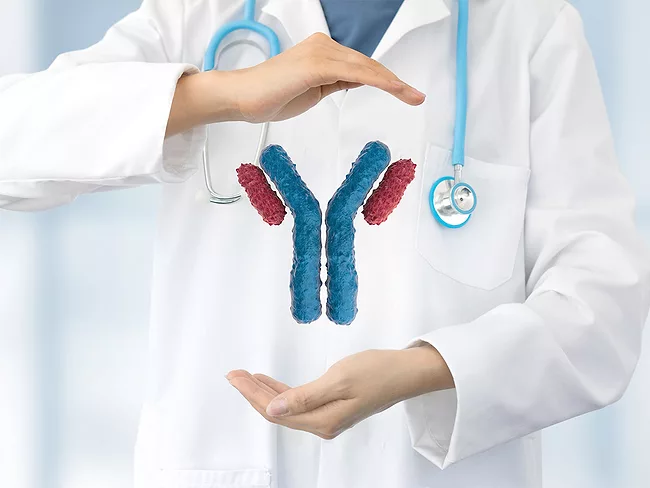
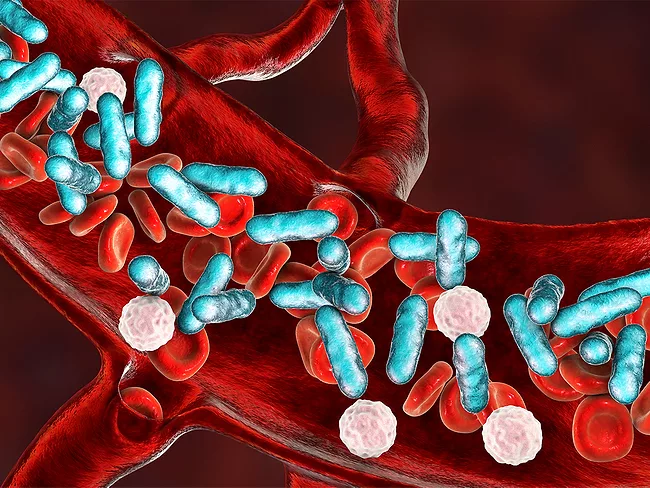
At the World Vaccine Congress this week, Longhorn Vaccines & Diagnostics LLC presented the preclinical characterization of LHNVD-501, a half-life-extended, humanized IgG monoclonal antibody (mAb) targeting peptidoglycan (PGN). PGN is a conserved structural component shared across bacterial species and an upstream driver of sepsis, as well as metabolic disease, autoimmune disorders and neurodegeneration.
The immune system is a critical factor of host survival, allowing resistance to infections and maintaining tissue integrity. The activation of immune responses requires precise regulation to assure a balance between the benefits and costs of these responses. Moreover, the theory of antagonistic pleiotropy proposes that traits beneficial to early-life fitness may sustain costs that manifest later in life, after the period of strongest natural selection, where aging introduces further complexities for cooperative defenses. As a result of this, hosts of different ages may manifest distinct disease courses despite infection with the same pathogen.
NF-κB-inducing kinase (NIK), also known as MAP3K14, is the key kinase driving noncanonical NF-κB signaling and p100 processing. Researchers from China Pharmaceutical University reported the discovery and preclinical evaluation of a novel NIK inhibitor.
Using machine learning as an innovative tool for analyzing complex biological systems, researchers integrated bioinformatics with adaptive algorithms and identified dynein light chain LC8-type 2 (DYNLL2) as a key modulator of sepsis progression. Mechanistically speaking, DYNLL2 interacts with p21-activated kinase 1 (PAK1) to regulate bacterial outer membrane vesicle (OMV) internalization and caspase-11 activation.
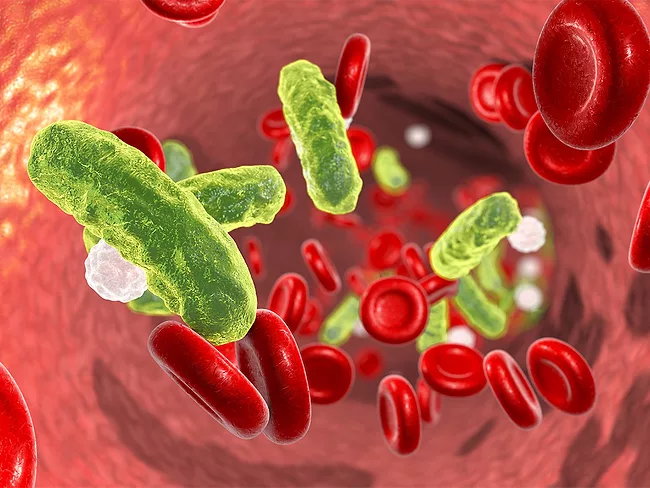
A rapid diagnostic test from Ocean Dx SAS delivered gold standard performance in a clinical evaluation that points to a potential shift in how sepsis is identified and treated. The assay, which detects more than 1,000 bacterial species directly from whole blood, returned 100% sensitivity and 100% specificity compared with reference blood cultures, with results reported in five hours. Further, the test tripled the number of infections identified.
Deepull Diagnostics SL raised €50 million (US$56.93 million) in an oversubscribed series C financing round to complete clinical validation studies of its UllCORE diagnostic system for direct-from-blood rapid pathogen detection.
Hypothermia is a marker of injury severity in patients with sepsis and shock, and for which debate still exists regarding its harmfulness and need for treatment. Hypothermia is also considered for many a defense mechanism. Animals given bacterial endotoxins usually exhibit cold-seeking behaviors.
Multiple organ dysfunction syndrome is a life-threatening condition derived from heat stress or sepsis, among other conditions, that can lead to irreversible organ damage and death if left untreated. Gasdermin (GSDMD) is an executor protein that causes cell lysis, facilitates the release of inflammatory mediators and is involved in pyroptosis, apoptosis and necroptosis processes leading to inflammatory cell death or PANoptosis.
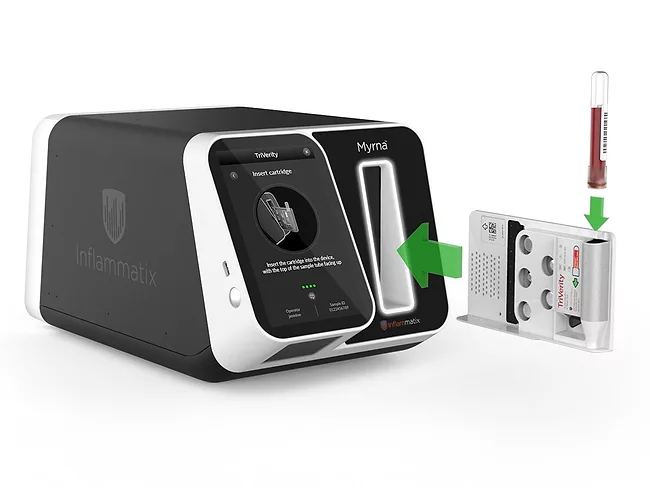
Just a few weeks later than expected, Inflammatix Inc. secured U.S. FDA clearance of the Triverity test system for use in emergency triage of patients with suspected acute infection or sepsis. The molecular blood test is the first to identify bacterial and viral infections and provide an all-cause risk evaluation of the likelihood of developing severe illness.
When every hour’s delay in treatment increases the risk of death 8%, dialing down time to diagnosis takes on acute urgency for clinicians and regulators. When the disease being treated kills 20% of the global population and 33% of hospitalized patients in the U.S., the market opportunity attracts investors. And when the technology makes breakthroughs possible that cut the time to targeted treatment from days to hours or even minutes, the number of products in development explodes, as the keen competition in sepsis diagnostics covered by BioWorld in 2024 demonstrates.