Mobia Medical Inc. began trading on Nasdaq under the ticker MOBI on May 8. The company priced its IPO at the midpoint of its proposed $14 to $16 range, selling 10 million shares at $15 each and raising approximately $150 million. The stock closed at $11.75 its first day of trading, down 21.7%.
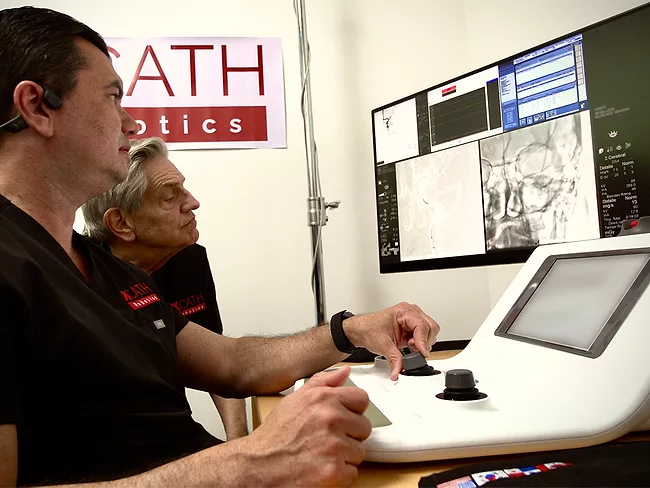
As robotic-assisted surgery platforms increasingly demonstrate that they can perform telesurgery safely, the question now is how soon remote operations will become part of routine clinical care. Eduardo Fonseca, CEO of Xcath Robotics Inc., reckons that within a decade the company’s Iris Surgical Robotic System could be in widespread use.
Sichuan Primed Shines Bio-Tech Co. Ltd. researchers have published results on their investigation regarding SYW-06 oral dosing and its impact on cognitive function in monkeys submitted to middle-cerebral artery occlusion (MCAO).
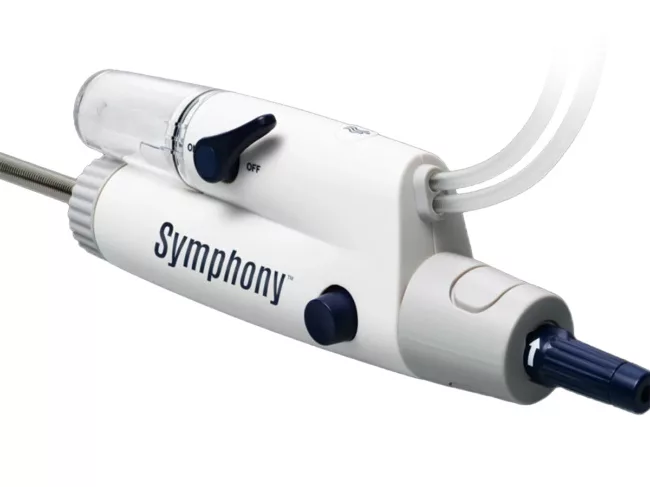
Imperative Care Inc. secured $100 million through an oversubscribed convertible note financing round to support commercialization of its stroke and vascular thrombectomy technologies. The round was co-led by new investors Elevage Medical Technologies and Perceptive Advisors alongside existing investor Catalio Capital Management LP. Also participating were new backers Longaeva Partners LP and Brown Advisory, with continued support from existing investors, including Ally Bridge Group and Bain Capital Life Sciences.
VST Bio Corp. has closed its series A financing designed to support the company’s work in vascular diseases with the development of first-in-class antibodies targeting edema and inflammation for patients with ischemic stroke.
Medtronic plc has agreed to buy Scientia Vascular Inc. for $550 million, as it makes good on its promise to embark on more strategic acquisitions this year. The acquisition will bolster its neurovascular business as it adds a portfolio of guidewires and catheters, which uses Scientia’s microfabrication technology to simplify complex neurovascular procedures.
Vascular cognitive impairment and dementia (VCID) and cerebral small vessel disease are among the leading causes of dementia, where inflammation is known to play a crucial role. Researchers from Augusta University in the U.S. hypothesized that inhibiting the NLRP3 inflammasome with MCC-950 may improve cognitive decline and cerebral blood flow in a murine model of VCID.
Citing an increase in safety events and evidence of futility, the U.S. NIH stopped an investigational low-dose rivaroxaban arm of its Comparison of Anticoagulation and Antiplatelet Therapies for Intracranial Vascular Atherostenosis (CAPTIVA) trial.
Bayer AG’s oral factor XIa inhibitor asundexian significantly reduced ischemic stroke by 26% in patients following a noncardioembolic ischemic stroke or high-risk transient ischemic attack in the phase III Oceanic-Stroke study.