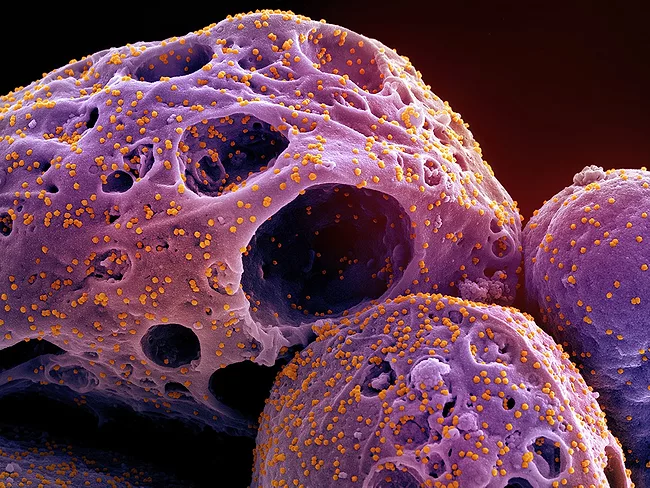
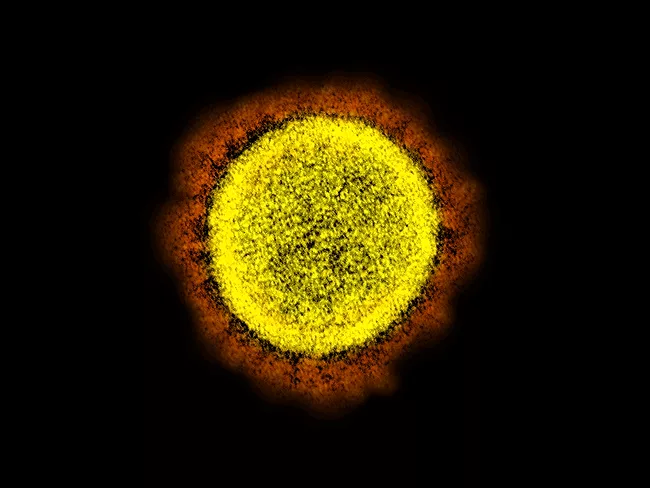
How severe a viral infection is depends on how much the virus is replicating, damaging cells as it does so, and on the response of the immune system. Or so one would think. “Some of the most severe cases of COVID-19 are happening in the absence of replicating virus,” Joseph Guarnieri told BioWorld. In work published in Science Translational Medicine on Aug. 9, 2023, Guarnieri and his colleagues have described how those severe cases unfold, even as there is no replicating virus to be found.
The most in-depth study to date of the genetic risk factors for long COVID has identified 73 genes that are highly associated with severe or fatigue-dominant forms of the disease. Many of these genes also are known to be associated with other disorders, including myalgic encephalomyelitis/chronic fatigue syndrome (ME/CFS) and neurodegenerative, autoimmune, cardiovascular and metabolic diseases.
As it requested, the U.S. FDA got an earful April 25 as people with long COVID and their caregivers shared their experiences with the condition that has no approved, or even authorized, treatment and is not that well understood, given its range of symptoms that vary from person to person.
The U.S. Recover program, set up in July 2022 to identify the causes of long COVID, find biomarkers of disease and discover new therapeutic targets, is now preparing to move to its next phase and begin testing potential treatments in a multi-arm, randomized, placebo-controlled trial. But with 200 different symptoms, and limited understanding of relevant system-level pathological targets, there are significant hurdles to be overcome.
Autoantibodies are typically not good news. But a group of researchers from Bellinzona, Switzerland, have observed that the presence of autoantibodies against chemokines, a special class of cytokines, is associated with mild disease and less risk of developing long COVID. “Our hypothesis was that antibodies to chemokines, if they existed, would also be associated with a negative outcome of the disease. But, what we found, in fact, was the exact opposite of what we were predicting,” Davide Robbiani, director of the Institute for Research in Biomedicine, told BioWorld.
The U.S. Recover program, set up in July 2022 to identify the causes of long COVID, find biomarkers of disease and discover new therapeutic targets, is now preparing to move to its next phase and begin testing potential treatments in a multi-arm, randomized, placebo-controlled trial. But with 200 different symptoms, and limited understanding of relevant system-level pathological targets, there are significant hurdles to be overcome.
Axcella Therapeutics Inc. is working on its comeback to make something else go away. Just before Christmas, Axcella said it was repositioning itself to focus on long COVID-19 and was just granted regulatory guidance on a primary endpoint and study design from the U.K.’s MHRA to conduct a single registration trial of AXA-1125 for those with long COVID fatigue. Axcella will be meeting with the MHRA in the near term to discuss getting an innovative licensing and access pathway application, which is designed to accelerate the approval process. Axcella also has just submitted its IND to the U.S. FDA for a global phase IIb/III study for treating long COVID.
Three years after WHO declared the COVID-19 pandemic, some patients are still reporting symptoms from long-ago infections. And the scientific community is studying the reasons for the post-acute sequelae of SARS-CoV-2 (PASC). Until now, the studies provided varied reasons related to persistent COVID or PASC, such as acute SARS-CoV-2 injury in different organs, or reservoirs of the virus in certain tissues, as it happens with other pathogens like HIV. At the IDWeek 2022 infectious disease conference held this week in Washington, D.C., Eric Daar, chief of the Division of HIV Medicine at the Lundquist Institute at Harbor-UCLA Medical Center, moderated the session, 'COVID-19: Post-acute sequelae', where talks offered new results on the symptoms of people who have suffered prolonged COVID during the pandemic.
In a study comparing the antibody repertoire of individuals with severe myalgic encephalopathy/ chronic fatigue syndrome (ME/CFS) to that of healthy controls, the majority of individuals with CFS showed antibody responses to specific microbiome proteins. Such responses were largely absent in healthy controls, implicating immune reactions to the microbiome in the development of ME/CFS.