Entering what Mirum Pharmaceuticals Inc. CEO Chris Peetz called “a new phase of growth and value creation,” the company plans to submit an NDA to the U.S. FDA in the second half of this year, based on phase IIb data from the Vistas trial with oral ileal bile acid transporter (IBAT) inhibitor volixibat in primary sclerosing cholangitis (PSC).
A major challenge in tissue engineering is not only achieving the correct cellular organization of an engineered tissue, but also expanding it to a clinically useful size after implantation. Researchers from the Wyss Institute at Harvard University have developed a synthetic biology platform that genetically programs tissues to grow large organ implants on demand. Building on a 2017 study suggesting engineered liver tissues could respond to regenerative signals released after injury, the researchers set out to identify and harness those cues.
“If we could figure out what those signals were, we could synthetically drive these factors locally in an implant to control its growth ourselves,” first author Amy Stoddard told BioWorld. Stoddard is a postdoctoral researcher at the Wyss Institute.
Yes-associated protein (YAP), encoded by Yes1-associated transcriptional regulator (YAP1) and transcriptional coactivator with PDZ-binding motif (TAZ), encoded by WW domain containing transcription regulator 1 (WWTR1), are two crucial paralog transcriptional regulators of the Hippo pathway regulating organ size, tissue homeostasis and disease progression.
Mursla Bio Ltd. recently entered a partnership with an unnamed large pharmaceutical company to use its AI Precision Medicine platform to help with drug development and ultimately develop companion diagnostics. The collaboration uses Mursla’s platform ability to isolate and analyze extracellular vesicles from a simple blood sample, to provide biologically labelled, multiomics data to improve patient stratification, monitor treatment and develop companion diagnostics.
A recent publication in Science Advances has uncovered NMNAT1 as a promising therapeutic target for alcohol-associated liver disease (ALD). Early ALD can be reversible, but prolonged alcohol abuse may lead to progressive steatohepatitis, fibrosis and even cirrhosis or hepatocellular carcinoma.
Top-line results from Altimmune Inc.’s phase IIb Impact study of pemvidutide in treating metabolic dysfunction-associated steatohepatitis showed the peptide-based GLP-1/glucagon dual receptor agonist hit one primary endpoint while not hitting statistical significance in another.
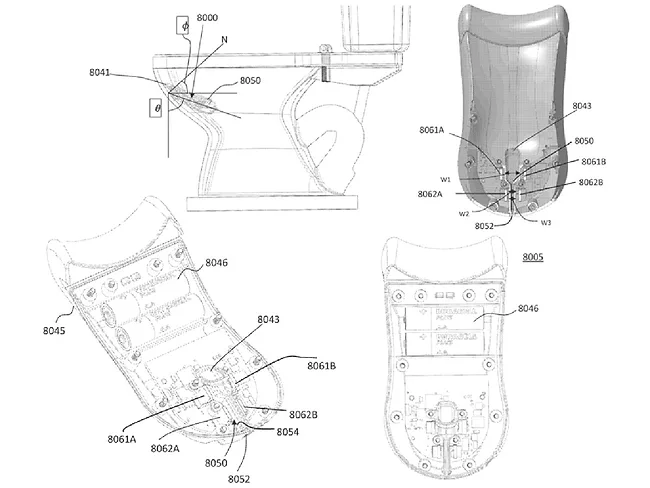
In what represents just the company’s third PCT filing, Houston-based Starling Medical Inc.’s co-founders, Hannah McKenney and William Hendricks, seek to gain further protection for their at-home urine diagnostic patient-monitoring platform that eliminates the traditional use of catching containers and dipsticks.
Immunity is not a function most people particularly associate with the liver. But because of its connection to the gut, the liver is exposed to bacterial metabolites as few other organs are. And when either the liver or the gut is not functioning well, it can adversely affect immunity as well.
Immunity is not a function most people particularly associate with the liver. But because of its connection to the gut, the liver is exposed to bacterial metabolites as few other organs are. And when either the liver or the gut is not functioning well, it can adversely affect immunity as well. The liver is connected to the gut via both the biliary system and the portal vein. Those two conduits allow metabolites from the gut microbiome to influence what’s going on in the liver. Both liver and gut damage can affect this communication for the worse. And surprisingly, one of the consequences is immune dysfunction.
Histoindex Pte Ltd. launched its laboratory-developed test for metabolic dysfunction-associated steatohepatitis (MASH), Fibrosight, in the U.S. as the company’s first in a suite of next-generation digital pathology solutions.