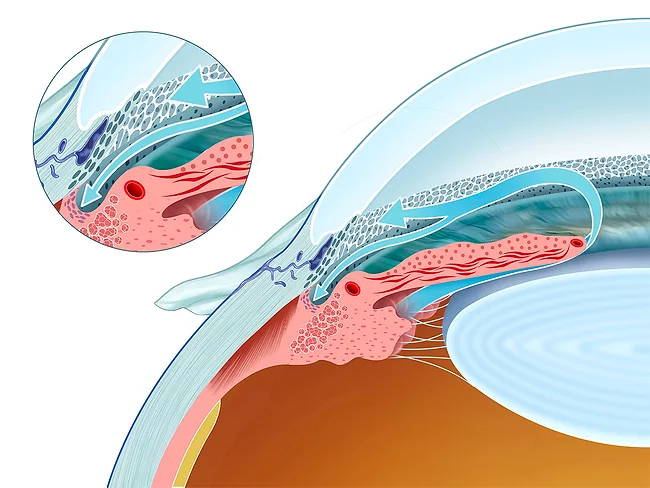
Scientists at Duke University have uncovered how macrophages help maintain intraocular pressure and have found that a specific type, resident macrophages, is essential for proper drainage of intraocular fluid. When these cells are removed, drainage becomes impaired and intraocular pressure rises, contributing to the development of glaucoma.
Similarities among three pediatric brain tumors that arise in different structures of the CNS – pineoblastoma, retinoblastoma and Group 3 medulloblastoma – have been linked to their shared origin during pineal gland development. Scientists at St. Jude Children’s Research Hospital have identified the molecular signatures that drive these tumors from pinealocyte progenitor cells that conserve a common differentiation program, providing a shared therapeutic target for these three cancer types.
A study involving a small cohort of women who have received womb transplants has cast fresh light on how the immune system shapes pregnancy outcomes, opening up new avenues of research into implantation failure, preeclampsia and preterm birth.
If one could sweep the brain clean and send the toxic substances that drive neurodegeneration to the recycling bin, perhaps one could treat Alzheimer’s disease. Researchers at the Chinese Academy of Sciences propose a new therapeutic strategy that uses synthetic peptides that bind to amyloid-β (Aβ) and direct it toward lysosomes. In addition, researchers at the Washington University School of Medicine in St. Louis have genetically modified astrocytes in vivo to express chimeric antigen receptors (CARs) that recognize and phagocytose Aβ plaques.
In an article published in Cell Host & Microbe on March 3, 2026, researchers at McMaster University in Canada and at the Hospital Universitario de La Princesa in Spain have shed some light on the impact of microbiota on peanut-driven allergy and anaphylaxis.
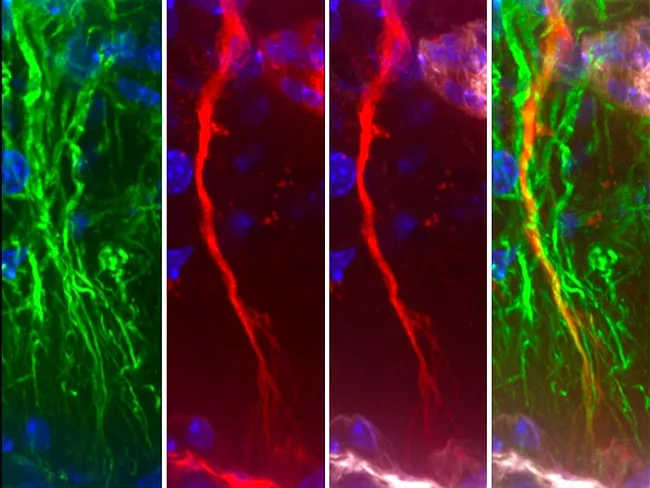
Researchers at INSERM and collaborators have identified hypothalamic tanycytes as mediators of tau clearance and shown that their structural and genetic disruption may drive Alzheimer’s disease pathology.
A new study has reinforced that GLP-1 receptor agonists are unlikely to produce durable weight loss, but indicates that rather than returning to the starting weight, individual weight gain will plateau at 75.5% of the weight lost.
A therapeutic strategy based on alternative splicing of the MECP2 gene could restore protein levels in Rett syndrome, a neurological disorder caused by mutations in that gene. Scientists at Baylor College of Medicine have successfully tested this approach both in vitro in neurons from Rett patients that produce some functional protein, correcting the altered gene expression and improving neuronal functions, and in vivo in mice.
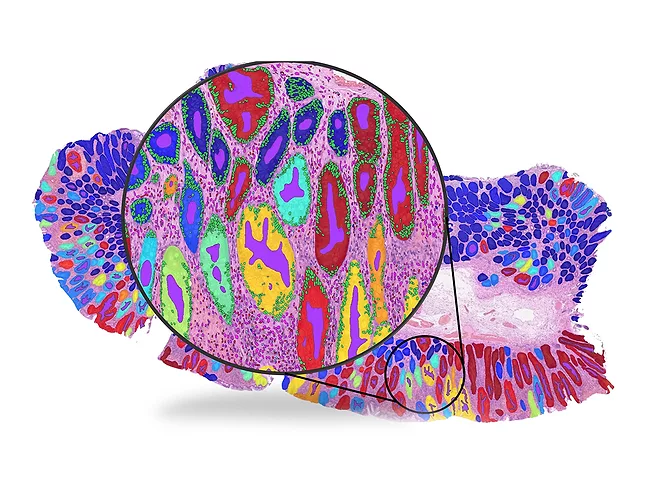
Computational pathology, which assesses molecular-level features of diseases directly from tissue images (rather than testing the tissue via methods such as staining or sequencing) is making rapid strides.
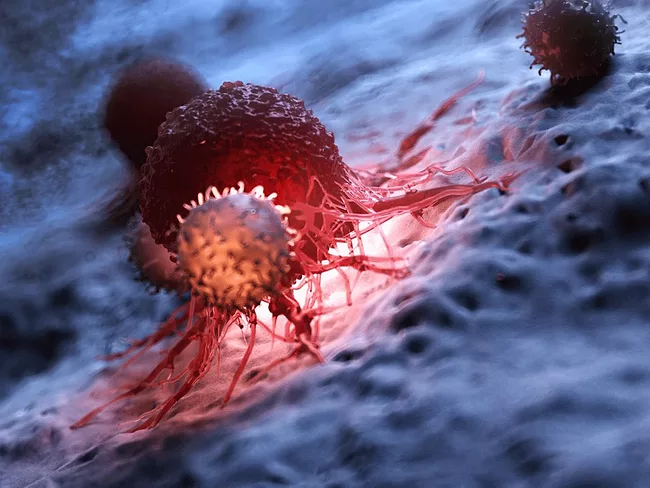
CAR T cells have been groundbreaking for the treatment of B-cell cancers. But 8 years after Kymriah (tisagenlecleucel, Novartis AG) became the first CAR T-cell therapy to be approved, there are no CAR Ts approved for solid tumors.
 RSS
RSS