Currently, cancer therapy trial-and-error methodology is inefficient and unsustainable. Oncology is the worst therapeutic area for drug trial success; only 3.4% of drugs that enter phase I end up being FDA approved, and 57% fail due to poor drug efficacy in trials. Building tools that may aid in predicting an individual’s response to a specific therapy may help in reducing costs, guesswork, and importantly improve the outcome of patients and accelerate new drug development.
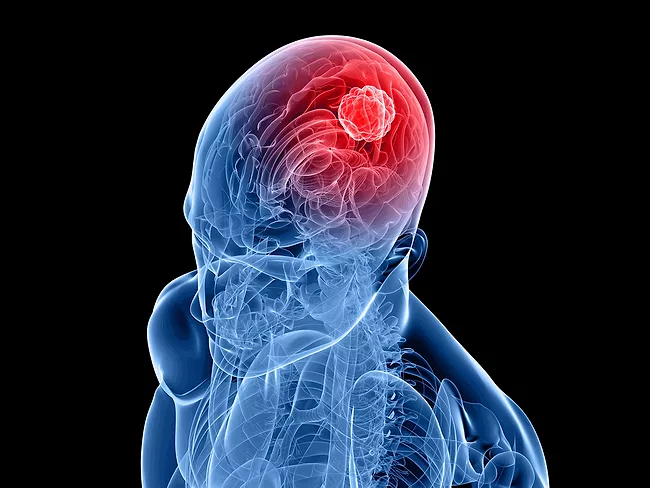
Scientists from different laboratories around the world have presented the latest advances in research into malignant brain tumors at the 31st Annual Congress of the European Society of Gene and Cell Therapy (ESGCT), which is being held Oct. 22 to 25 in Rome.
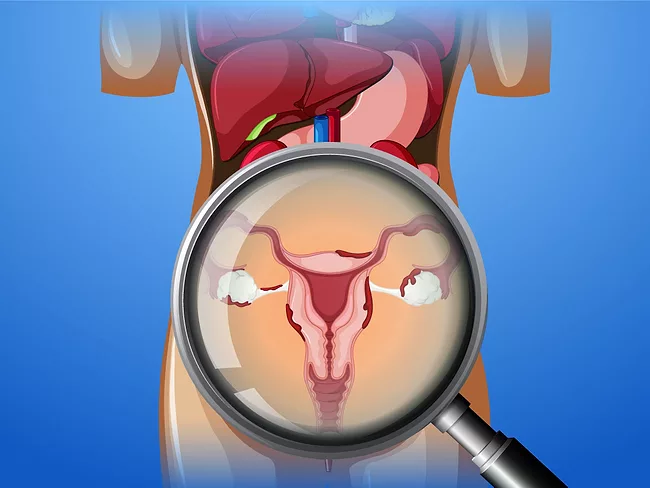
According to World Health Organization data, endometriosis affects about 10% of reproductive-age females globally. That already makes endometriosis a wildly underresearched and underfunded disease in relation to its prevalence. Plus, Rama Kommagani thinks even 10% is an underestimation. “Diagnosis is very underreported, particularly in low- and middle-income countries,” Kommagani, who is an associate professor of pathology at Baylor College of Medicine, told BioWorld.
David Baker, Demis Hassabis and John Jumper share the 2024 Nobel Prize in Chemistry for their contributions to the science of protein structure. David Baker was awarded half the prize “for computational protein design,” according to the Royal Swedish Academy of Sciences. Hassabis and Jumper shared the other half “for protein structure prediction.”
David Baker, director of the Institute for Protein Design at the University of Washington School of Medicine, is a pioneer in protein design. His contributions have been recognized with countless awards, and now, a place among the 2024 Clarivate Citation Laureates.
David Baker, Demis Hassabis and John Jumper share the 2024 Nobel Prize in Chemistry for their contributions to the science of protein structure. David Baker was awarded half the prize “for computational protein design,” according to the Royal Swedish Academy of Sciences. Hassabis and Jumper shared the other half “for protein structure prediction.”
It’s hard to know where to start in describing the biopharma applications of the 2024 Nobel Prize in Physics. It was awarded to John Hopfield and Geoffrey Hinton “for foundational discoveries and inventions that enable machine learning with artificial neural networks.”
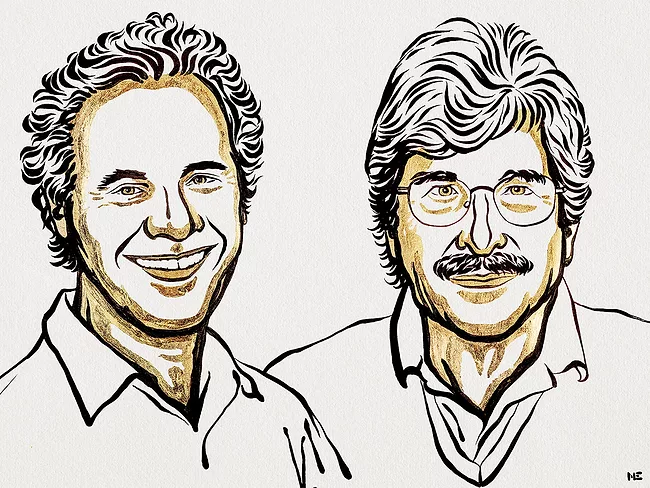
Research into the regulation of gene expression experienced a significant breakthrough with the discovery of microRNA, small RNA molecules that do not code for proteins but control their translation. This finding has earned its discoverers – Victor Ambros and Gary Ruvkun – the 2024 Nobel Prize in Physiology or Medicine “for the discovery of microRNA and its role in post-transcriptional gene regulation.”
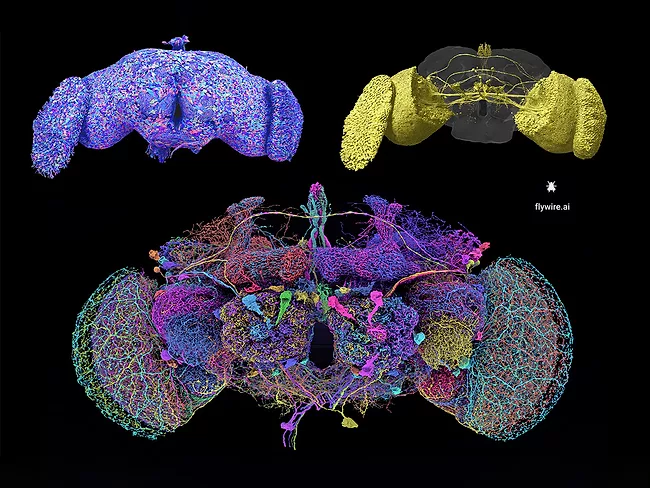
A collaboration led by the Flywire Consortium and comprising hundreds of scientists has completed a whole map of the adult fruit fly brain after several decades of collaborative work.
How do exercise and insulin collaborate in metabolism? The European Association for the Study of Diabetes (EASD) and the Novo Nordisk Foundation recognized the work of Juleen Zierath in this topic with the Diabetes Prize for Excellence at their recent annual meeting.
 RSS
RSS