Keeping you up to date on recent developments in diagnostics, including: Urine test could reduce prostate cancer biopsies; Neurons forget who they are in Alzheimer’s disease; Sensor can predict hallucinogenic serotonin receptor effects.
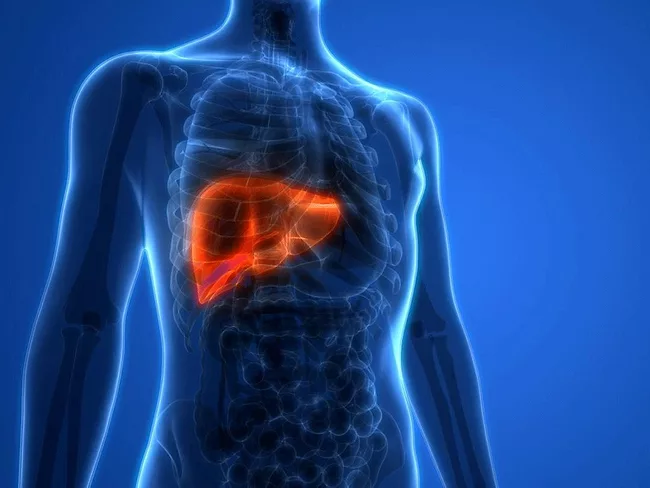
Researchers have gained new insights into what makes for transplantable livers – and what doesn’t. In a clinical trial of 12 livers, a team from Massachusetts General Hospital showed that both livers with high fat content and those without could be viable for transplantation.
Twenty years after the first, exclusively white human genomes were fully sequenced, science finds itself in the same position as the rest of society: with the uncomfortable realization that old inequalities are often morphing, rather than disappearing. Vocal racists – scientists of the stripe of a James Watson – are by no means a thing of the past. But they are only the tip of the iceberg.
Keeping you up to date on recent developments in orthopedics, including: Skin and bones repaired by bioprinting during surgery; Researchers use AI to detect wrist fractures; Smart Score quantifies clinical outcomes for shoulder arthroplasty patients.
BioWorld looks at translational medicine, including: Neurons forget who they are in Alzheimer’s disease; Sensor can predict hallucinogenic serotonin receptor effects.
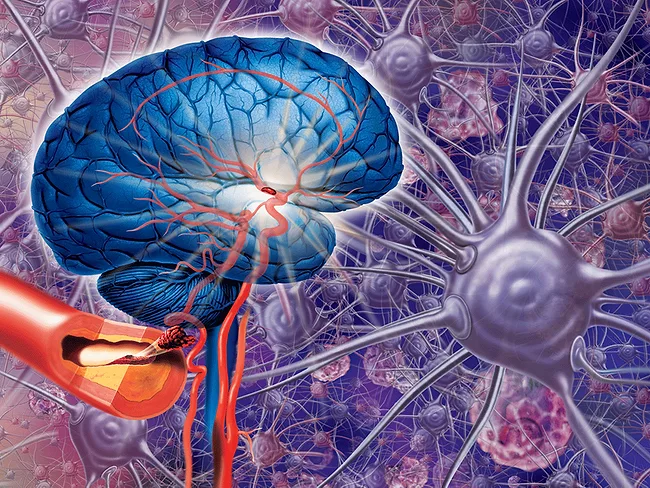
Under certain circumstances, a normally innocuous key molecular intermediate of regular cell metabolism, farnesyl pyrophosphate, can trigger neuronal lysis and cell death, according to a study led by Chinese researchers at Tsinghua and Peking universities in Beijing.
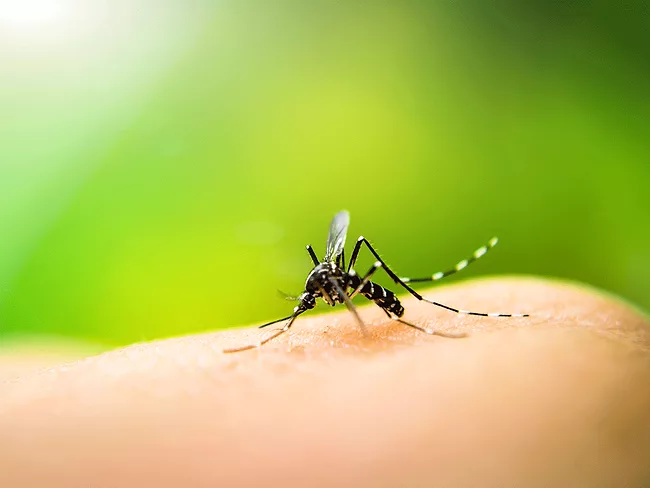
A collaboration aimed at identifying and developing potential new antimalarial drug candidate drugs has been announced between Walter and Eliza Hall Institute for Medical Research in Melbourne, Australia, and Janssen Pharmaceutica, with assistance from Johnson & Johnson Innovation.
Keeping you up to date on recent developments in oncology, including: New test lends insight into aggressiveness of prostate cancer, could reduce biopsy; Loss of cell polarity is lung cancer precursor; A different path to specificity for Ras inhibitors; Thin films for detection, calibration of proton beams.
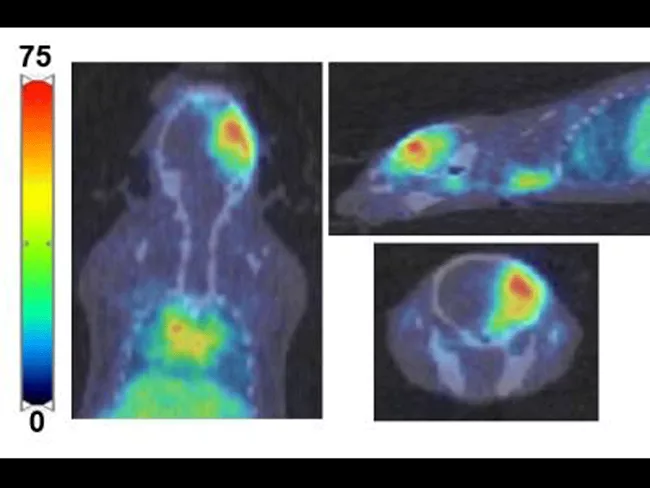
A study led by Chinese radiologists at Peking University in Beijing has shown that positron emission tomography imaging of intercellular adhesion molecule-1 (ICAM-1) expression is a predictor for the abscopal effect, whereby nonirradiated cancers respond to radiotherapy.
Keeping you up to date on recent developments in cardiology, including: Fibroblast growth factor a marker for left ventricular hypertrophy in dialysis patients; Consortium updates endpoints for aortic valve studies; ‘Reclip,’ surgery square off for patients with failed mitral valve repair.

 RSS
RSS