Astrazeneca plc has returned to China’s CSPC Pharmaceutical Group Ltd. for another discovery collaboration, this time in a deal worth up to $1.77 billion to use CSPC’s siRNA drug discovery platform and extrahepatic targeted delivery technology to develop small nucleic acid drug candidates.
The majority of epilepsies are developmental disorders that start in childhood. But there is a large minority that starts in late adulthood. And increasingly, researchers are suspecting that such epilepsies share mechanisms with dementia. Summarizing the highlights of epilepsy research presented at the recent Annual Congress of the European Academy of Neurology (EAN), Aleksandar Ristic told his audience that the biggest epilepsy story out of the Congress was “not a drug, but it was a reframing.”
Two papers published in the July 1, 2026, issues of Nature and Nature Cancer have reported on preclinical and early clinical data with glycoprotein nonmetastatic melanoma protein B (GPNMB)-targeting CAR T cells in two separate solid tumor types.
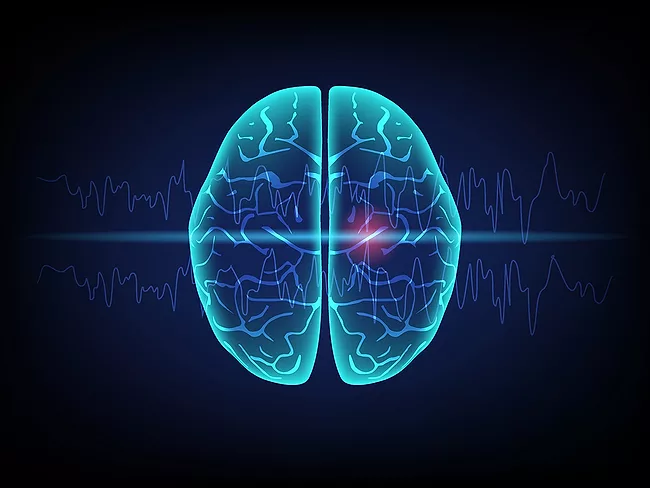
Deep brain stimulation (DBS) through implanted electrodes has enabled fundamentally new ways of treating certain disorders. More than 100,000 severely ill patients have received an implant to treat Parkinson’s disease, which is DBS’ greatest success story.
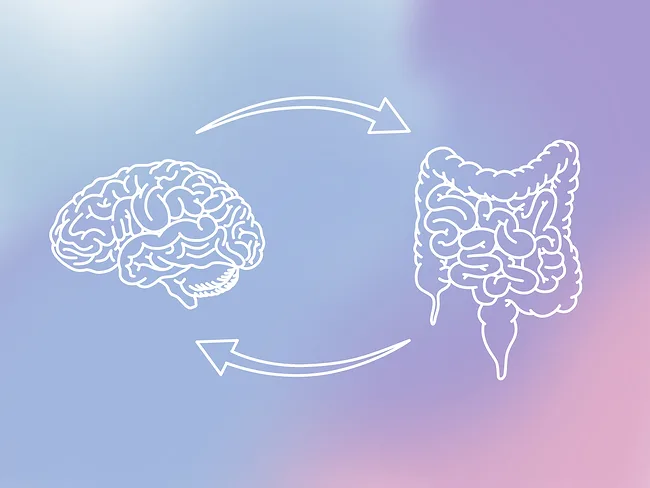
The gut microbiota may be altered in people with depression as a result of treatment. These microorganisms reorganize differently in individuals who respond to therapy. In a multiomics study of antidepressant-naive patients presented at the 2026 World Congress of Neuropsychopharmacology (CINP), scientists from National Taiwan University found that patients who improved after antidepressant treatment maintained a more balanced and functional microbial ecosystem, recovered beneficial metabolites, and displayed blood-based biological signals that aligned with these changes.
The gut microbiota may be altered in people with depression as a result of treatment. These microorganisms reorganize differently in individuals who respond to therapy. In a multiomics study of antidepressant-naive patients presented at the 2026 World Congress of Neuropsychopharmacology (CINP), scientists from National Taiwan University found that patients who improved after antidepressant treatment maintained a more balanced and functional microbial ecosystem, recovered beneficial metabolites, and displayed blood-based biological signals that aligned with these changes.
MPM Bioimpact-spawned K2 Therapeutics Inc. inked a license deal plus option agreement, worth $980.5 million apiece, to gain ex-China rights to two of Antengene Corp. Ltd.’s preclinical anticancer bispecific T-cell engager (TCE) assets. The deal, announced June 21, will grant Singapore-based K2 exclusive rights to develop and commercialize Antengene’s ATG-106 outside of mainland China, Hong Kong, Macau and Taiwan.
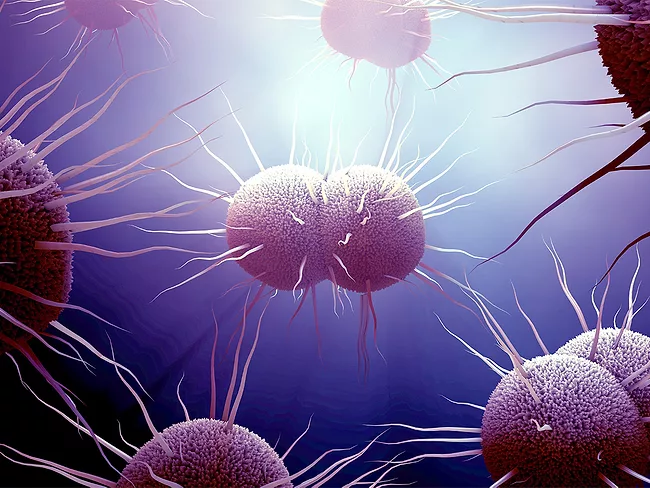
Researchers at the Wyss Institute of Harvard University have used a mix of machine learning and classical screening techniques to identify small molecules that were effective against Neisseria gonorrhoeae in vagina-on-a-chip and mouse models of infection. Their findings were published in the June 17, 2026, issue of Science Translational Medicine.
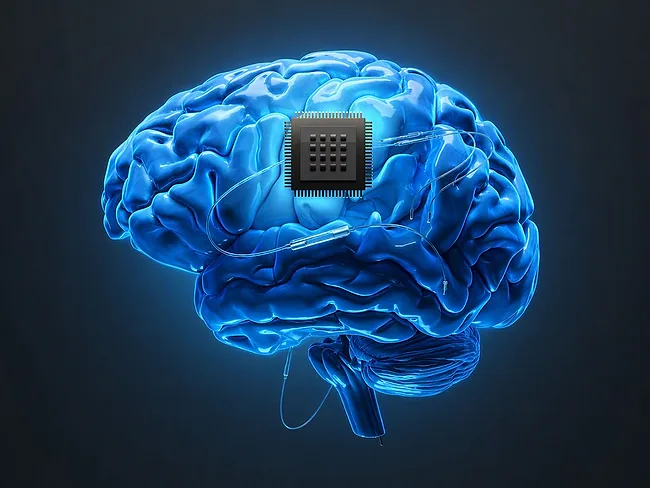
More and more individuals now have chronically implanted brain-computer interface (BCI) systems in their heads. Devices that can record and stimulate neural signals are increasingly moving from labs to real-world settings to test their potential to treat neurological disorders. At the same time, startups are emerging, investors are pouring money into the space and companies are accelerating their development programs. After decades of clinical research and false starts, are BCI systems finally here?
 RSS
RSS